Published on: October 26, 2023
For industries requiring consistent and efficient fine grinding of limestone, the 3R2715 Raymond Mill stands as a proven and reliable solution. This model, a cornerstone of LIMING HEAVY INDUSTRY's grinding equipment portfolio, is engineered specifically for processing non-explosive, non-flammable materials with Mohs hardness under 7 and humidity less than 6%. Its design prioritizes stable operation, precise particle size control, and ease of maintenance, making it an ideal choice for applications ranging from heavy calcium carbonate production to power plant desulfurization. By integrating decades of manufacturing expertise with a practical understanding of mineral processing needs, the 3R2715 Raymond Mill delivers performance that balances productivity with operational simplicity.
LIMING HEAVY INDUSTRY CO., LTD., with a foundation dating back to 1987, has established itself as a leader in the design and production of crushing and grinding machinery. Our commitment to scientific research, precision manufacturing, and technological innovation is embedded in every piece of equipment we produce. The 3R2715 Raymond Mill is a direct result of this philosophy, evolving from traditional pendulum mill designs to meet modern industrial demands for efficiency and environmental compliance.
The core strength of the 3R2715 model lies in its robust construction and intelligent milling dynamics. The system operates on a closed-circuit principle. Bulk limestone is first reduced to a feed size of 15-25mm by a crusher. The material is then uniformly fed into the grinding chamber where it is ground between the rotating rollers and the stationary grinding ring. The ground powder is carried upward by the airflow to the integrated classifier. Here, particles meeting the required fineness pass through and are collected as final product, while oversized particles are rejected back to the grinding chamber for further milling. This internal circulation ensures high grinding efficiency and consistent product quality.
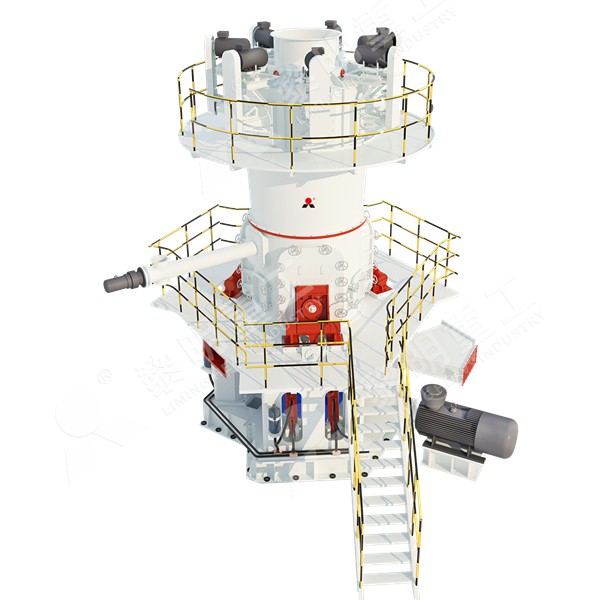
In practical application, the 3R2715 Raymond Mill demonstrates remarkable versatility for limestone processing. Its output fineness is adjustable within a range of 44μm to 613μm (approximately 325 mesh to 30 mesh), allowing it to produce everything from coarse fillers to finer powders for industrial fillers. A primary application is in the production of heavy calcium carbonate (GCC), where the mill's ability to produce tightly graded powders is critical for product value in industries like plastics, paints, and paper. Furthermore, it plays a significant role in flue gas desulfurization (FGD) systems in power plants, where finely ground limestone is used as a sorbent to remove sulfur dioxide from emissions. The mill's reliable performance under continuous operation makes it a backbone asset in such critical environmental control processes.
Operational advantages extend beyond its grinding capability. The 3R2715 is designed with maintenance and durability in mind. Its centralized electrical control system allows for straightforward operation and monitoring. Key wear parts, such as the grinding rollers and ring, are crafted from high-chromium or manganese steel, offering extended service life and reducing downtime for replacements. The entire grinding system is typically equipped with a pulse-jet bag dust collector, ensuring that the workshop environment remains clean and that the operation complies with industrial environmental protection standards. This focus on the entire system—from feeding to collection—embodies LIMING HEAVY INDUSTRY's holistic approach to providing complete grinding solutions.
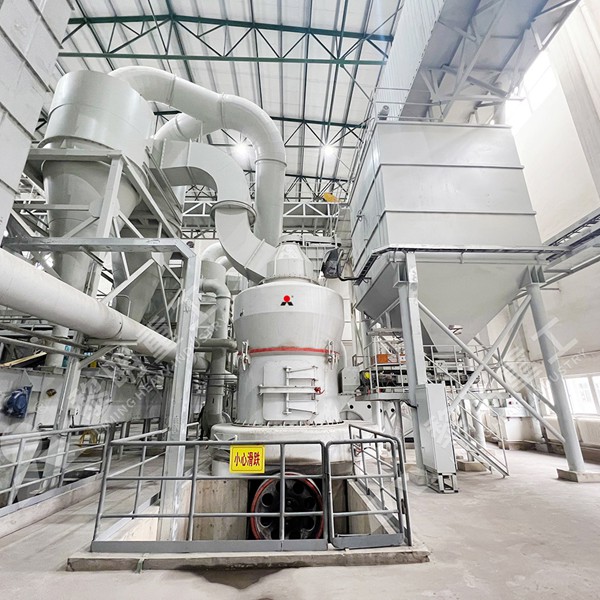
When compared to other grinding technologies like ball mills or vertical roller mills, the 3R2715 Raymond Mill occupies a specific niche. It excels in the medium-to-fine grinding range for materials of moderate hardness like limestone, offering a lower initial investment footprint and simpler system layout than larger, more complex systems. Its energy consumption is optimized for its capacity range, which typically spans 1.2 to 4.5 tons per hour for limestone, depending on the desired fineness. For projects that do not require ultra-fine powders below 10μm but demand reliable, consistent output within the 100-400 mesh range, the 3R2715 presents a compelling and cost-effective choice.
In conclusion, the 3R2715 Raymond Grinding Mill from LIMING HEAVY INDUSTRY represents a mature, reliable, and highly adaptable technology for the limestone processing industry. It combines a time-tested grinding mechanism with modern system integration and environmental controls. For enterprises seeking to establish or upgrade their mineral powder production capabilities, this model offers a balanced proposition of performance, durability, and operational ease, backed by over three decades of engineering and manufacturing excellence from a global industry leader.
Frequently Asked Questions (FAQ)
1. What is the primary application of the 3R2715 Raymond Mill?
The 3R2715 is primarily designed for grinding non-flammable and non-explosive materials with Mohs hardness below 7, such as limestone, calcite, barite, and gypsum. Key applications include producing heavy calcium carbonate powder and providing ground limestone for power plant desulfurization (FGD).
2. What is the typical output fineness range?
This model can produce powders with a fineness ranging from approximately 44 microns (325 mesh) to 613 microns (30 mesh). The final product size is adjustable via the integrated classifier to meet specific customer requirements.
3. What is the recommended feed size for limestone?
For optimal performance and grinding efficiency, the limestone feed material should be pre-crushed to a size between 15mm and 25mm before being introduced into the mill's feeding system.
4. How does the environmental protection feature work?
The grinding system is a negative pressure, closed-loop design. It is equipped with a high-efficiency pulse-jet bag dust collector, which captures over 99% of the airborne dust, ensuring clean emission and a dust-free workshop environment that meets national environmental standards.
5. What are the main wear parts, and what is their typical service life?
The main wear components are the grinding rollers and the grinding ring. Their service life depends on the material's abrasiveness. For standard limestone grinding, these high-alloy parts can typically operate for several thousand hours before requiring replacement or refurbishment, ensuring long intervals between maintenance.


