Published: October 26, 2023
In the modern feed additive industry, the production of high-quality calcium supplements from limestone is a critical process, demanding precision grinding technology to achieve the necessary fineness, purity, and bioavailability. Liming Heavy Industry, with over three decades of expertise in manufacturing industrial grinding equipment, offers a suite of advanced mill solutions specifically engineered to transform raw limestone into superior feed-grade calcium carbonate. From high-capacity vertical roller mills for large-scale production to ultra-fine micro powder mills for specialized applications, our technology ensures efficient, stable, and environmentally friendly operation. This article explores the pivotal role of limestone milling in feed additive manufacturing and details how Liming's innovative grinding systems provide reliable, scalable solutions that enhance animal nutrition and operational productivity.
The foundation of effective feed additive production lies in the consistent processing of raw limestone into a uniform, digestible powder. Calcium carbonate derived from limestone is a vital nutritional supplement in animal feed, promoting bone development, eggshell quality in poultry, and overall metabolic functions. The grinding process must therefore achieve a specific particle size distribution that optimizes absorption while maintaining the material's natural chemical properties. Liming Heavy Industry addresses this challenge through a diversified portfolio of grinding mills, each designed to meet distinct production scales and fineness requirements within the feed sector.
For large-scale feed additive plants requiring high throughput, the LM Vertical Roller Mill stands as a cornerstone technology. Its integrated design combines drying, grinding, powder selection, and conveying into a single, compact system. This is particularly advantageous for processing limestone with varying moisture content, as the mill can simultaneously dry and grind the material using hot air from a gas source. The grinding mechanism, employing multiple rollers pressing against a rotating table, ensures high grinding efficiency with significantly lower energy consumption compared to traditional ball mills. With a capacity range of 10 to 400 tons per hour, the LM Vertical Mill is ideal for flagship feed additive production lines, delivering a consistent product suitable for standard premix formulations.
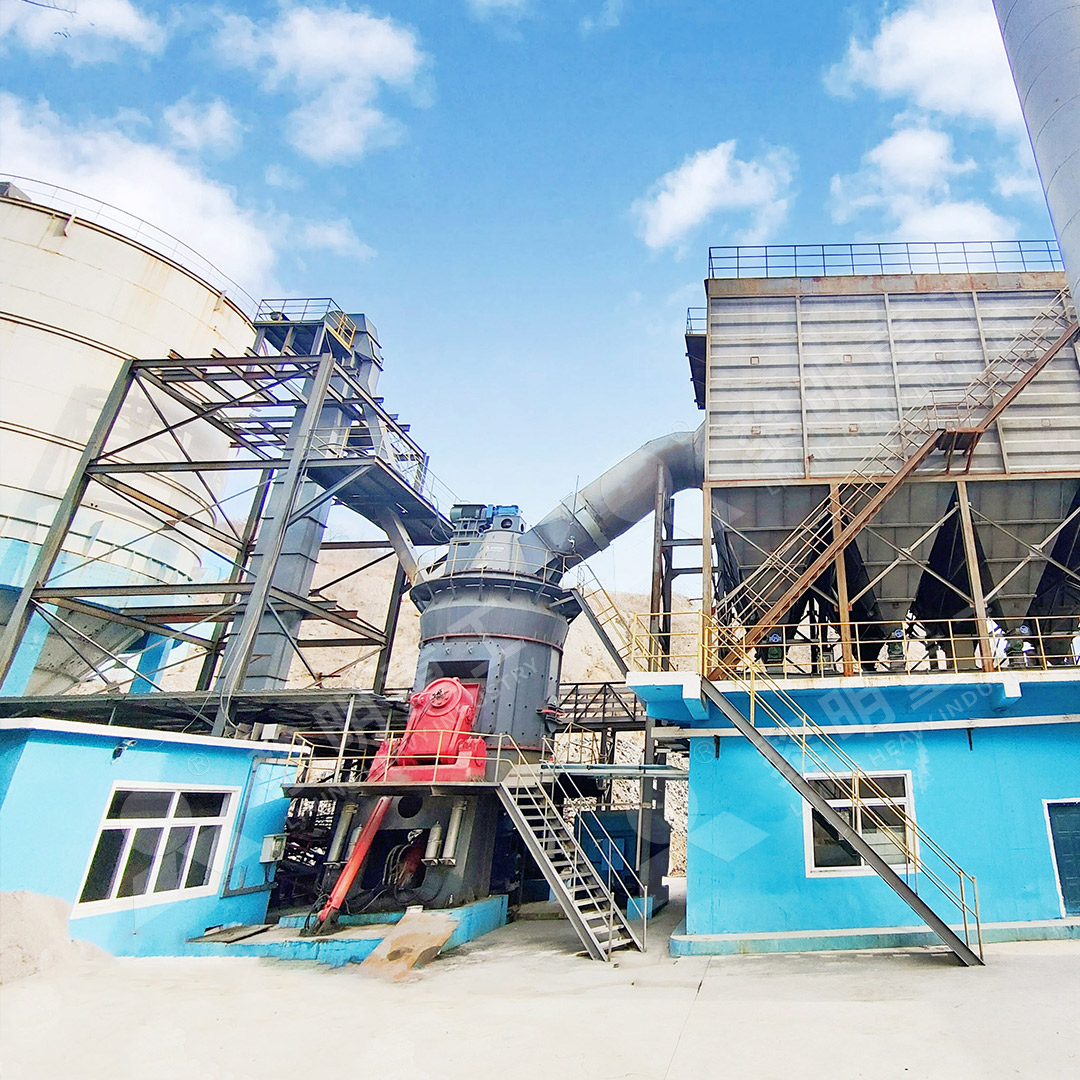
When the production focus shifts towards finer or more specialized calcium powders, Liming's MW Micro Powder Mill and Raymond Mill (MTW European Type) offer targeted solutions. The MW Micro Powder Mill, incorporating advanced European grinding technology, excels in producing superfine limestone powder. Its ability to achieve a fineness up to d97 ≤ 5μm (3250 mesh) makes it suitable for high-value feed additives where ultra-fine particle size enhances bioavailability and mixing homogeneity in complex feed recipes. The system operates with a closed-circuit airflow and is equipped with a high-efficiency pulse dust collector, ensuring a dust-free workshop—a critical standard in feed manufacturing hygiene.
The MTW European Type Trapezium Mill represents the next generation of ring-roller grinding technology. It is engineered for mid-to-large scale production of fine limestone powder with superior particle shape and narrow size distribution. Its patented curved air duct and internal powder concentrator enhance classification efficiency, yielding a product with precise fineness control between 44μm to 613μm. This mill is exceptionally reliable for producing the most common feed-grade calcium carbonate specifications. Its modular system, which can include integrated crushers, feeders, and dust collectors, provides a complete, turnkey grinding solution that simplifies plant layout and operation.
Beyond the machine itself, Liming Heavy Industry emphasizes the importance of a holistic scientific research and development philosophy. Our R&D efforts, centered in Zhengzhou's HI-TECH Industry Development Zone, are continuously focused on improving product competitiveness through technological innovation. For feed additive production, this translates to mills designed with easier maintenance access, more durable wear parts for abrasive limestone, and intelligent control systems that stabilize product quality and reduce operator intervention. We view each mill not just as equipment, but as a integral component of our clients' value chain, contributing to their success in the competitive animal nutrition market.
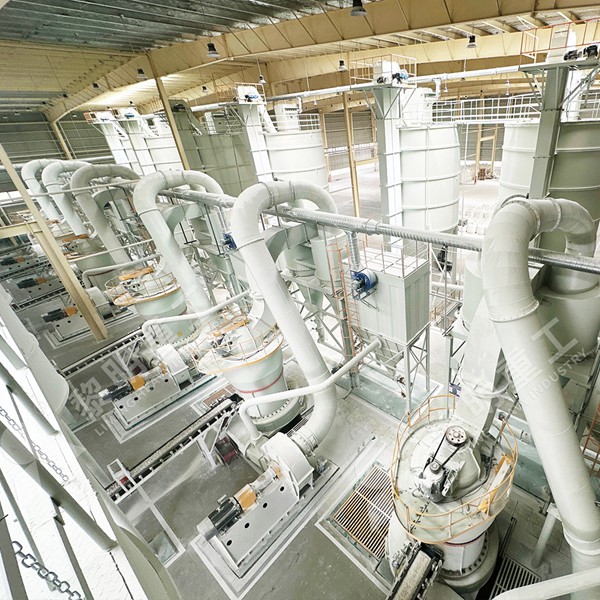
Selecting the optimal limestone mill requires a careful analysis of production goals, desired product fineness, raw material characteristics, and site-specific conditions. Liming's technical team supports this decision-making process with deep application knowledge. For instance, a producer aiming for a broad-market feed supplement might opt for the robust and efficient MTW European Type Mill, while a specialist manufacturer producing high-performance additives might leverage the ultra-fine capabilities of the MW Micro Powder Mill. Furthermore, our commitment to "production, learning, and research" ensures that our technologies evolve in tandem with industry trends, such as the growing demand for sustainable and energy-efficient production processes.
In conclusion, the transformation of limestone into a vital feed additive is a process perfected by precision engineering and reliable technology. Liming Heavy Industry provides the backbone for this essential industry with a range of grinding mills that combine performance, efficiency, and innovation. By partnering with Liming, feed additive producers gain more than just machinery; they gain access to 30 years of grinding expertise and a commitment to technological progress, ensuring their operations remain productive, sustainable, and at the forefront of animal nutrition science.
Frequently Asked Questions (FAQs)
- What is the typical particle size range for limestone used in feed additives, and which mill is best suited for it?
Feed-grade limestone typically requires a fineness between 150 to 325 mesh (100 to 45 microns). For this range, the MTW European Type Trapezium Mill is highly recommended due to its precise classification system, stable output, and excellent energy efficiency for high-volume production. - Can your mills handle limestone with higher moisture content?
Yes. The LM Vertical Roller Mill is specifically designed with integrated drying capabilities. It can utilize hot air to effectively dry and grind limestone with moderate moisture in a single step, streamlining the production process. - How does your equipment ensure the purity of the limestone powder, preventing contamination?
Our grinding systems, like the MW Micro Powder Mill, employ fully enclosed negative pressure operation. Combined with high-efficiency pulse dust collectors, this design prevents powder leakage and external contamination, ensuring the final product's purity and a clean plant environment. - Is automation available for these milling systems?
Absolutely. Our modern mills, particularly the LM Vertical Mill and MTW European Mill, can be equipped with advanced automatic electric control systems. These systems allow for remote monitoring, automatic adjustment of operational parameters, and consistent quality control with minimal manual intervention. - What kind of after-sales support and service does Liming Heavy Industry provide?
We provide comprehensive support including pre-sales consultation and system design, installation guidance, operator training, and readily available technical support. Our global network ensures access to genuine spare parts and prompt service to maximize your mill's uptime and productivity.


