Published: October 26, 2023
Liming Heavy Industry Co., Ltd. provides advanced Raymond grinding systems specifically engineered for processing limestone in agricultural applications. These systems transform raw limestone into fine powders essential for soil conditioning, animal feed supplements, and fertilizer production. With over three decades of expertise in manufacturing crushing and grinding equipment, Liming's solutions combine reliability, energy efficiency, and precise fineness control to meet the rigorous demands of modern agriculture.
Agricultural limestone, or aglime, plays a critical role in neutralizing soil acidity, improving nutrient availability, and enhancing crop yields. The effectiveness of aglime depends significantly on its fineness and purity. Liming's Raymond mill technology is designed to process limestone with Mohs hardness under 7 and humidity below 6%, producing powders with fineness adjustable between 44μm and 613μm. This range is ideal for agricultural use, ensuring rapid soil reaction and uniform application.
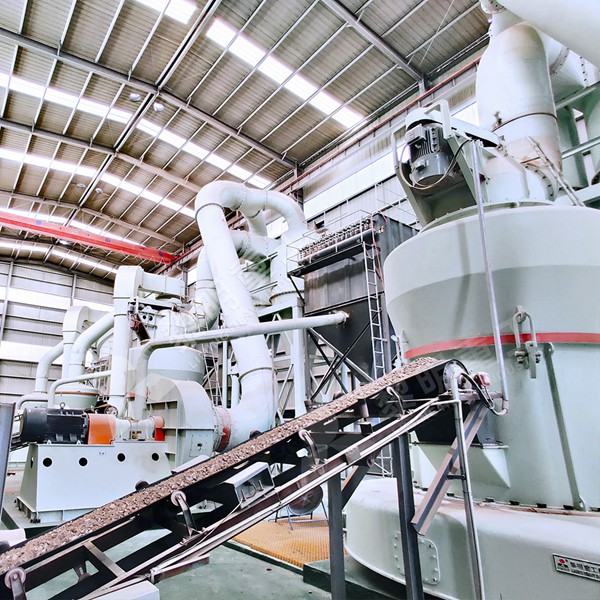 Our Raymond grinding system operates on a proven principle. The raw limestone is first crushed to a size of 15-25mm. It is then fed into the grinding chamber where rollers rotate against a grinding ring, pulverizing the material. An integrated classifier ensures that only particles meeting the target fineness proceed to collection, while coarser particles are returned for further grinding. This closed-circuit system, equipped with a pulse dust collector, maintains a clean production environment and minimizes waste.
What sets Liming's system apart is its integration of drying, grinding, powder selection, and conveying into a single, automated unit. For agricultural operations processing moist limestone, this integrated drying capability is invaluable. The system can handle varying feed moisture, delivering a consistently dry, free-flowing powder suitable for storage, bagging, or bulk transport. Our modern joint-stock corporation, with its 80,000 m² R&D and manufacturing base in Zhengzhou's HI-TECH Industry Development Zone, focuses relentlessly on technological improvement. We persist in a strategy of scientific research and development, aiming at the industry's technological frontier to enhance product competitiveness.
The applications in agriculture are diverse. Beyond standard soil amendment powder, the system can produce ultra-fine limestone for inclusion in animal feed as a calcium source. It also processes limestone for use as a carrier in powdered fertilizers and pesticides. The system's stability and productivity, with capacities ranging from 1.2 to 4.5 tons per hour, make it suitable for both dedicated aglime production facilities and diversified mineral processing plants serving the agricultural sector.
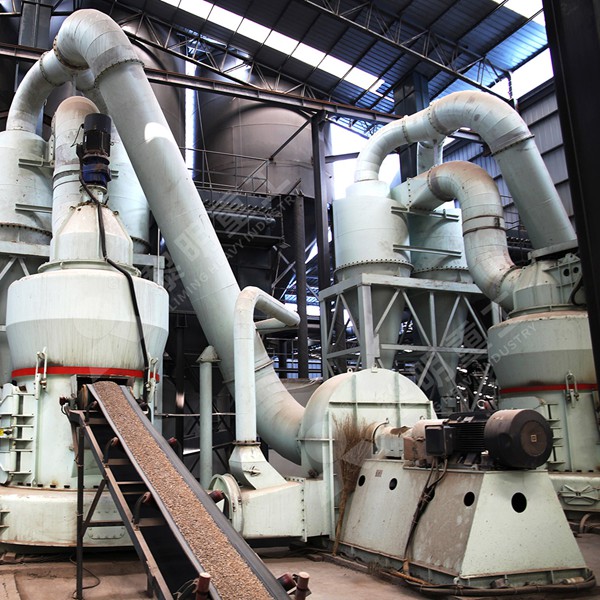 Operational efficiency is a cornerstone of our design. The Raymond mill's mechanical structure is robust, requiring less floor space than traditional ball mills. Its energy consumption per ton of product is significantly lower, a key consideration for cost-sensitive agricultural businesses. Furthermore, the system's automation reduces labor requirements and ensures consistent product quality batch after batch, which is crucial for meeting agricultural lime quality certifications.
Liming Heavy Industry is committed to supporting the agricultural value chain with durable and efficient machinery. Our philosophy of "precision manufacturing, pioneering and innovation" drives us to refine our Raymond grinding systems continually. By choosing our technology, agricultural lime producers invest not just in equipment, but in a partnership focused on long-term productivity and environmental stewardship, contributing to sustainable farming practices worldwide.
Frequently Asked Questions (FAQs)
- What is the typical fineness range achievable for agricultural limestone with your Raymond mill?
Our Raymond mill can produce limestone powder with fineness adjustable between 44μm (325 mesh) and 613μm. For most soil amendment applications, a fineness of 100-200 mesh is commonly targeted to balance reactivity and production efficiency. - Can the system handle limestone with high moisture content?
Yes. The integrated design allows for simultaneous drying and grinding for materials with moisture content up to 6%. For feed material exceeding this, a pre-drying stage may be recommended to optimize system throughput and energy use. - How does the system ensure consistent powder quality?
Consistency is maintained through the closed-circuit grinding and internal precision classifier. This setup continuously recycles oversized particles, allowing only on-spec material to pass to the collection system, ensuring a uniform final product. - What are the key maintenance points for the Raymond grinding system in agricultural lime production?
Key maintenance focuses on the grinding rollers and ring, which are wear parts. Regular inspection and lubrication of the central drive shaft and classifier are also essential. The system is designed for easy access to these components to minimize downtime. - Is the system environmentally friendly regarding dust emission?
Absolutely. The system is a negative-pressure, closed-loop design equipped with a high-efficiency pulse jet bag dust collector. This ensures dust emissions are well below national environmental protection standards, creating a clean workshop environment.


