Published: October 26, 2023
For manufacturers in the plastics industry seeking high-performance, cost-effective fillers, the selection of appropriate limestone grinding equipment is a critical determinant of product quality and operational efficiency. Limestone, when processed to precise fineness and particle size distribution, serves as an exceptional functional filler, enhancing mechanical properties, dimensional stability, and surface finish of plastic composites while significantly reducing raw material costs. This article explores the technological advancements and specific grinding solutions offered by Liming Heavy Industry Co., Ltd., a leader in industrial milling for over three decades, detailing how their engineered equipment—from vertical roller mills to micro powder grinders—is optimized to produce the consistent, ultra-fine limestone powders demanded by modern plastic production lines.
Founded in 1987, Liming Heavy Industry has established itself as a cornerstone of the global machinery manufacturing sector through a steadfast commitment to scientific research, precision engineering, and technological innovation. With sprawling facilities encompassing over 147,000 square meters in Zhengzhou's HI-TECH Industry Development Zone and Shangjie Industry Park, the company operates on a modern management system that integrates R&D, manufacturing, and sales. This holistic approach ensures that every piece of grinding equipment is not merely a tool but a solution tailored to enhance client competitiveness, particularly in specialized applications like non-metallic mineral processing for industrial fillers.
The transformation of raw limestone into a viable plastic filler requires more than simple pulverization; it demands controlled comminution to achieve specific surface area, particle morphology, and chemical purity. Liming's portfolio addresses this spectrum of needs. For large-scale production of fillers with fineness requirements in the range of 325 to 400 mesh, the LM Vertical Roller Mill stands out. Its integrated design combines drying, grinding, classification, and conveying into a single, energy-efficient unit. By utilizing a new milling device and an automatic control system, it can process limestone with feed sizes up to 55mm into a uniform powder at capacities from 10 to 400 tons per hour. The vertical configuration minimizes floor space and allows for direct drying of moderately moist limestone, a common requirement for filler stock.
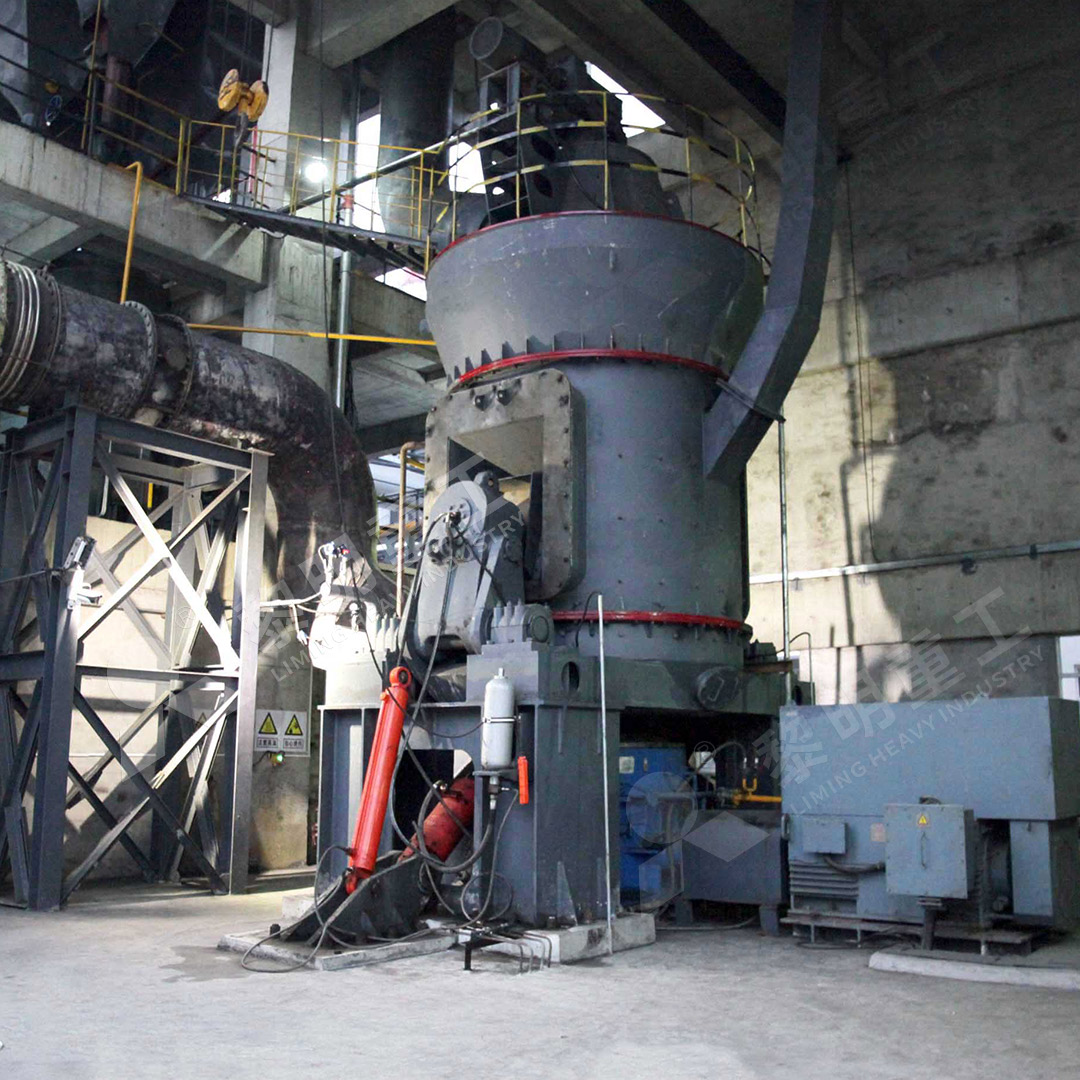
When the application calls for finer or more adjustable particle sizes, particularly for high-end plastics where filler dispersion is paramount, the MW Micro Powder Mill emerges as the technology of choice. This mill incorporates advanced Swedish grinding technology to achieve remarkable fineness up to d97 ≤ 5μm (approximately 2500 mesh). Its working principle involves multiple rollers rotating against a stationary ring raceway, creating intense shear and compressive forces ideal for producing ultra-fine, spherical particles. Such a particle shape is highly desirable in plastics as it improves flow characteristics and reduces viscosity in polymer melts. The system is enclosed and equipped with an efficient pulse dust collector, ensuring a clean production environment and protecting the quality of the powder from contamination.
For operations that require versatility to process various mineral feeds or produce a range of filler grades, the MTW European Type Grinding Mill offers a robust solution. As an evolution of traditional Raymond mill technology, it features patented innovations that enhance stability and productivity. Its trapezoidal grinding chamber and curved air duct improve airflow and classification efficiency, leading to a sharper particle size cut. This is crucial for plastic fillers, where a narrow size distribution ensures predictable loading and composite performance. The system operates as a closed circuit, with oversize particles continuously recirculated for further grinding, guaranteeing consistency in the final product batch after batch.
The selection process for the ideal grinding system must also consider factors like plant footprint, energy consumption, and desired level of automation. Liming's engineering philosophy addresses these holistically. Each mill is part of a complete system that may include jaw crushers for primary size reduction, vibrating feeders, separators, blowers, and sophisticated electrical control cabinets. This systems approach ensures seamless integration into existing production lines. Furthermore, the company's dedication to "scientific research tackling key problems" means their equipment is continually refined for energy savings and environmental compliance, reducing the total cost of ownership for plastic compound producers.
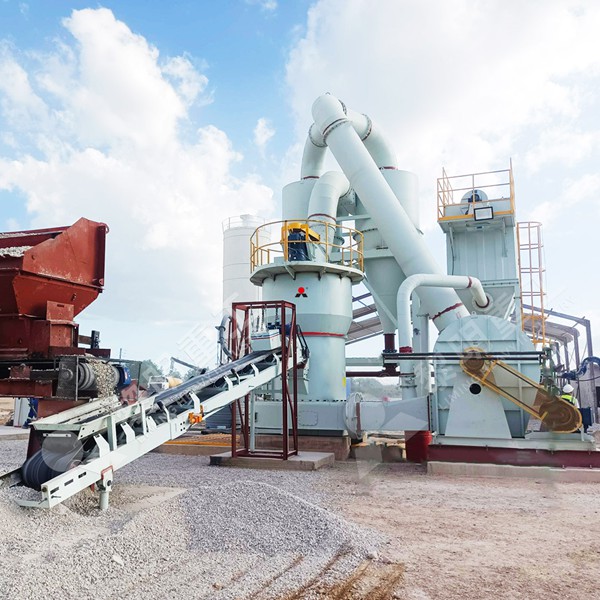
In conclusion, the production of high-quality limestone filler for plastics is a precision engineering challenge met by specialized grinding technology. Liming Heavy Industry provides a suite of proven solutions, from high-capacity vertical mills to superfine micro-grinders, each designed to deliver the precise particle characteristics that enhance plastic products. By leveraging decades of experience and a relentless focus on innovation, Liming empowers manufacturers to transform a basic mineral into a high-value additive, driving efficiency and performance in the competitive plastics marketplace.
Frequently Asked Questions (FAQs)
1. What is the typical fineness range achievable for limestone plastic filler using your mills?
Our equipment covers a very broad spectrum. The Raymond Mill and MTW European Mill can produce powder from 44μm (325 mesh) to 613μm. For superfine fillers, the MW Micro Powder Mill can achieve consistent fineness from 5μm to 45μm (325 to 2500 mesh), which is ideal for high-performance plastic composites.
2. Can your grinding systems handle limestone with some moisture content?
Yes. Specifically, the LM Vertical Roller Mill integrates a drying function within its grinding chamber, capable of handling feed materials with moderate moisture by introducing hot air. This eliminates the need for a separate drying step in many cases.
3. How is particle size consistency ensured during continuous operation?
Our advanced mills, like the MTW and LM series, incorporate high-efficiency internal separators and operate in a closed-circuit system. Oversized particles are automatically recirculated for further grinding, ensuring a stable and uniform output fineness crucial for consistent filler performance in plastics.
4. What are the key factors in choosing between the LM Vertical Mill and the MW Micro Powder Mill for filler production?
The primary factors are required production capacity and target fineness. The LM Vertical Mill is optimal for large-volume production (10-400 T/H) of fine powders. The MW Micro Powder Mill is designed for lower-capacity (0.5-25 T/H) but ultra-fine or specialized powder production where the highest levels of fineness and particle shape control are needed.
5. Are your grinding systems environmentally friendly for indoor industrial settings?
Absolutely. All our grinding lines are designed as negative-pressure or closed-circuit systems. They are equipped with high-efficiency pulse dust collectors (bag filters) that capture over 99.9% of airborne particles, ensuring the workshop air meets strict environmental standards and protecting operator health.


