Published on: October 26, 2023
In the critical field of flue gas desulfurization (FGD) for power plants and industrial boilers, the preparation of high-quality limestone powder is paramount. As a leader in grinding technology, Liming Heavy Industry provides robust and efficient milling solutions, with its Raymond Mill series standing out as a premier choice for producing the finely ground limestone sorbent essential for effective sulfur removal. This article delves into the technical prowess, operational principles, and specific advantages of utilizing Liming's Raymond Mill technology for desulfurization applications, highlighting how its design philosophy of precision, reliability, and innovation aligns with the demanding requirements of modern environmental protection.
Liming Heavy Industry Co., Ltd., with its foundation in 1987 and sprawling manufacturing bases in Zhengzhou, has built a legacy on the pillars of scientific research, precision manufacturing, and technological advancement. Our commitment to "scientific research tackling key problems" is embodied in our grinding equipment, engineered to meet the rigorous challenges of large-scale industrial processes. For power plants committed to reducing SOx emissions, the choice of grinding mill directly impacts the efficiency and cost-effectiveness of the wet limestone-gypsum FGD process. The limestone powder's fineness and particle size distribution are crucial parameters influencing the reaction kinetics and ultimate desulfurization rate.
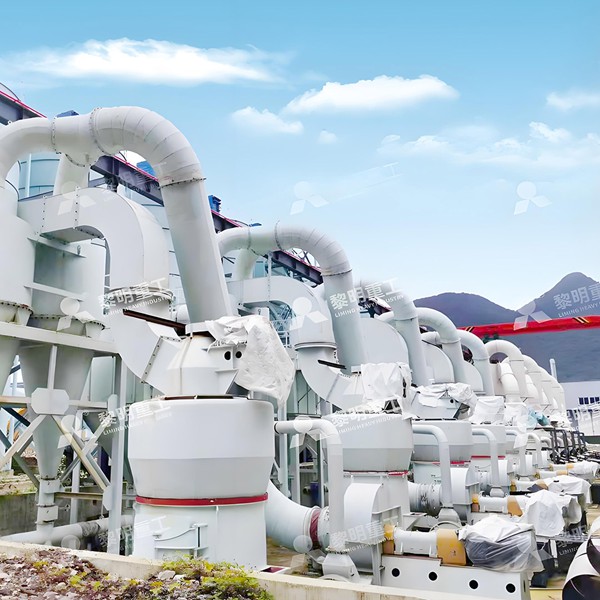
Our Raymond Mill, a stalwart in our product line, is exceptionally suited for this task. It is designed to process non-flammable, non-explosive materials with Mohs hardness under 7 and humidity less than 6%, specifications that limestone comfortably meets. The mill achieves an output fineness range of 613μm to 44μm (approximately 30 to 400 mesh), allowing operators to precisely target the optimal fineness (typically 250-325 mesh) for maximum surface area and reactivity in the absorber tower. With a capacity ranging from 1.2 to 4.5 tons per hour, it serves as a reliable workhorse for medium-scale desulfurization needs. Its mechanical stability and simplicity of operation have made it a trusted technology in minerals processing for decades.
For projects demanding higher capacity, superior energy efficiency, and even finer control over product quality, Liming Heavy Industry offers the advanced MTW European Type Grinding Mill. This mill represents a significant evolution from the traditional Raymond mill, incorporating patented technological upgrades. It is specifically committed to large-scale non-metallic mineral powder making, with desulfurization limestone being a primary application. The MTW mill system is a comprehensive grinding line that integrates a jaw crusher, vibrating feeder, grinding mill, separator, air blower, and pulse dust collector into a closed, environmentally friendly circuit.
The working principle is both efficient and elegant. Large limestone lumps are first crushed and then evenly fed into the grinding chamber. Here, the material is ground between the grinding roller and the fixed ring. The ground powder is carried upward by the air flow to the classifier. Coarse particles are rejected and returned for regrinding, while qualified fine powder passes through and is collected as the final product. This closed-circuit system with internal recirculation of air minimizes heat loss and dust emission. The integrated pulse dust collector ensures the entire process complies with stringent environmental standards, a non-negotiable aspect of any modern industrial operation.
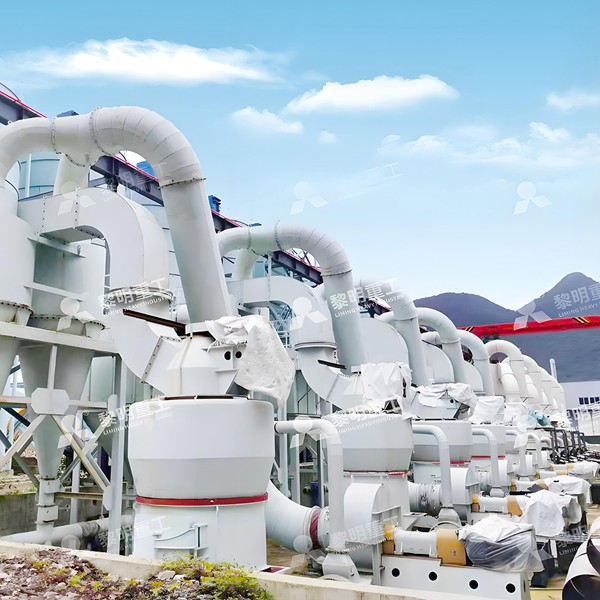
Choosing the right mill involves a careful evaluation of project scale, desired product fineness, and overall system integration. While the classic Raymond Mill offers proven reliability for specific capacity ranges, the MTW European Type Mill provides enhanced productivity (3-55 TPH), greater grinding efficiency due to its curved shovel blade design that increases material throughput, and a more durable grinding roller assembly. Both solutions from Liming Heavy Industry are backed by our modern scientific management system and a dedicated R&D team that continuously aims at the technological frontier, ensuring our equipment delivers not just performance, but also operational durability and ease of maintenance.
Ultimately, investing in a robust limestone grinding system is an investment in regulatory compliance, operational efficiency, and environmental stewardship. Liming Heavy Industry's grinding mills, born from over three decades of manufacturing excellence and a clear strategy of innovation-driven development, provide a solid foundation for power plants to meet their desulfurization goals effectively. By focusing on the core competitiveness of our products—through scientific research, precision manufacturing, and technological improvement—we equip our clients with machinery that is not just a tool, but a partner in sustainable industrial progress.
Frequently Asked Questions (FAQs)
- What is the typical fineness range required for limestone powder in wet FGD systems, and can your Raymond Mills achieve it?
Most wet limestone-gypsum FGD systems require a fineness of 90% passing 325 mesh (44 microns). Both our traditional Raymond Mill and the advanced MTW European Type Mill can comfortably produce powder within this range (44μm and finer), allowing for optimal reactivity and desulfurization efficiency. - How does the closed-system design of your MTW mill benefit the desulfurization limestone grinding process?
The closed-loop system minimizes air leakage, reduces heat loss for better drying performance (if dealing with slightly moist limestone), and contains dust within the circuit. This leads to higher energy efficiency, a cleaner working environment, and ensures all emissions are handled by the integrated pulse dust collector, meeting environmental standards. - What are the key factors in choosing between the classic Raymond Mill and the MTW European Type Mill for a new desulfurization project?
The primary factors are required capacity and desired technological level. The Raymond Mill is ideal for capacities up to 4.5 TPH. For larger projects (up to 55 TPH) requiring higher energy efficiency, more automated operation, and advanced grinding mechanics, the MTW mill is the recommended upgrade. - Does Liming Heavy Industry provide only the mill, or a complete grinding system for desulfurization limestone?
We can provide comprehensive solutions. For the MTW European Type Mill, we offer a complete system including jaw crusher, feeder, mill, separator, blower, and dust collector. This integrated approach ensures compatibility, simplifies installation, and provides single-source accountability. - How does your company ensure the long-term reliability and performance of these grinding mills in continuous operation?
Our reliability stems from precision manufacturing, high-quality material selection for wear parts (like grinding rollers and rings), and a mature design refined over 30 years. We adhere to a modern scientific management system and offer comprehensive technical support and spare parts services to guarantee operational continuity.


