Published on: October 26, 2023
In the pursuit of sustainable industrial processing, the demand for energy-efficient grinding equipment has never been greater. For limestone processing—a cornerstone material in construction, power plant desulfurization, and chemical production—traditional milling methods often come with a significant energy burden. Addressing this critical need, Liming Heavy Industry introduces its advanced, low-energy-consumption Raymond Mill technology. Engineered through decades of research and precision manufacturing, this mill redefines efficiency by integrating intelligent grinding dynamics, closed-loop systems, and optimized mechanical design to drastically reduce power consumption while maintaining high output of fine limestone powder between 613μm and 44μm. This article explores the innovative features, working principles, and environmental benefits of this solution, demonstrating how it aligns with global sustainability goals without compromising productivity.
Liming Heavy Industry Co., Ltd., founded in 1987, has established itself as a leader in manufacturing large and medium-sized crushing and grinding equipment. With a modern joint-stock structure integrating research, manufacturing, and sales, the company operates from expansive facilities in Zhengzhou's HI-TECH Industry Development Zone and Shangjie Industry Park, totaling over 147,000 m². For over three decades, Liming has adhered to a philosophy of scientific management, precision manufacturing, and continuous innovation, focusing on enhancing product competitiveness through technological advancement. This commitment is evident in their development of the low-energy Raymond Mill, a product born from a mature scientific research team aiming at the industry's technological frontier.
The core innovation of our Raymond Mill for limestone lies in its systemic approach to energy conservation. Unlike conventional mills where energy loss is common through heat dispersion and inefficient particle separation, this mill employs a fully enclosed recycling system. The process begins with jaw crushers reducing large limestone lumps to a manageable input size of 15-25mm. These materials are then evenly fed into the grinding chamber via a variable-frequency belt feeder. Inside, the grinding occurs between the grinding ring and rollers—a design refined for minimal friction and maximum contact efficiency.
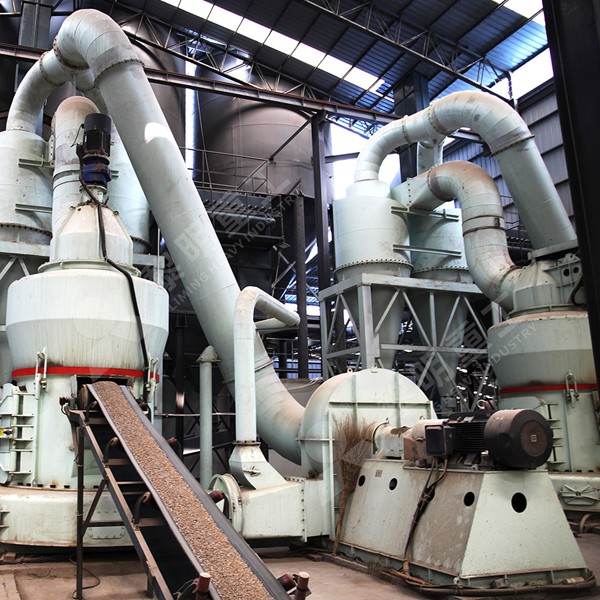
A key energy-saving feature is the integrated high-efficiency separator and air blower system. As limestone is ground, the fine particles are carried upward by the airflow. Particles that do not meet the fineness requirement are separated and returned for regrinding, ensuring no energy is wasted on over-processing already fine material. The airflow itself is recycled in a closed loop, significantly reducing the power typically required for constant fresh air intake and temperature control. This closed system, coupled with a pulse dust collector, not only saves energy but also ensures the operation meets stringent environmental standards by containing particulate emissions.
The mechanical design further contributes to low energy consumption. The transmission system and grinding components are engineered for optimal balance and reduced vibrational energy loss. Advanced materials in the grinding rings and rollers enhance durability, reducing downtime and the energy cost associated with frequent maintenance and part replacement. For limestone—a material with Mohs hardness typically around 3—the mill operates well under its capacity of processing materials under hardness 7 and 6% humidity, meaning it runs with less strain and lower power draw compared to grinding harder ores.
Applications for this energy-efficient Raymond Mill are vast within the limestone sector. It is exceptionally suited for power plant desulfurization, where finely ground limestone is used in flue gas desulfurization (FGD) systems. Its ability to produce consistent fineness ensures high reactivity in the desulfurization process, leading to cleaner emissions. In the construction industry, it produces fine calcium carbonate powder for fillers in paints, plastics, and cement. The mill's precision control over fineness allows producers to tailor output for specific applications, from coarse aggregates to super-fine powders, all while consuming less electrical energy per ton produced.
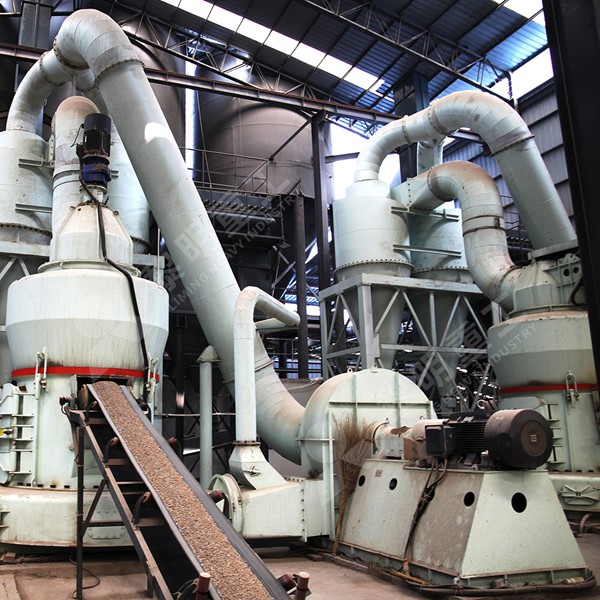
Comparing it to other grinding methods highlights its efficiency. While ball mills are common, they often operate with higher energy intensity due to the weight of the grinding media and less precise classification. Vertical roller mills, though efficient for larger capacities, can have higher initial complexity. Our Raymond Mill strikes an ideal balance for medium-scale limestone production (1.2-4.5T/H), offering a simpler, more focused design that minimizes ancillary power consumption from auxiliary systems. Its standalone grinding circuit, with integrated drying capability for materials with minimal moisture, eliminates the need for separate drying equipment in many cases, further consolidating energy savings.
Looking forward, the role of such low-energy equipment is pivotal in the industry's green transition. Liming Heavy Industry's ongoing R&D efforts, centered on "scientific research tackling key problems and technological improvement," ensure that this Raymond Mill platform will continue to evolve. Future iterations may incorporate even smarter automation for real-time energy optimization based on feed material variability. By choosing this technology, producers not only reduce their operational costs but also actively contribute to lower carbon footprints in mineral processing—a critical step toward sustainable industrial development.
Frequently Asked Questions (FAQ)
Q1: What is the primary energy-saving mechanism in this Raymond Mill?
A1: The primary mechanism is the fully enclosed airflow recycling system. The air blower and separator work in a closed loop, significantly reducing the energy required for heating fresh air and managing airflow, while the efficient internal classification minimizes regrinding of already fine material.
Q2: Can this mill handle limestone with slight moisture content?
A2: Yes, it is suitable for materials with less than 6% humidity. The grinding process generates some heat, and the integrated system can handle the drying of limestone with low moisture content within this range without a separate dryer.
Q3: What is the typical fineness range achievable for limestone?
A3: The mill can produce limestone powder with a fineness ranging from 44μm to 613μm (approximately 325 mesh to 30 mesh). This range can be precisely adjusted to meet various application requirements.
Q4: How does the maintenance requirement impact overall energy efficiency?
A4: The mill is designed with durable grinding components and a stable mechanical structure, leading to longer intervals between maintenance. Reduced downtime and consistent operation prevent energy waste from frequent start-stops and inefficient running during wear-related performance drops.
Q5: Is this system suitable for a completely new limestone processing plant?
A5: Absolutely. The system is supplied as a complete package including jaw crusher, feeder, mill, separator, blower, and dust collector. It is designed for easy integration into new production lines, offering a streamlined, energy-optimized solution from the ground up.


