Published on: October 26, 2023
This article provides an in-depth technical analysis of the Limestone Raymond Mill system integrated with a high-efficiency pulse dust collector, a core offering from LIMING HEAVY INDUSTRY CO., LTD. We will explore the system's operational principles, its critical role in sustainable mineral processing, and the advanced engineering that ensures high productivity, precise fineness control, and strict environmental compliance. The discussion will highlight how this integrated solution addresses the specific challenges of limestone grinding for applications ranging from construction materials to industrial desulfurization.
For over three decades, LIMING HEAVY INDUSTRY has stood at the forefront of manufacturing large and medium-sized crushing and grinding equipment. Founded in 1987 and headquartered in the HI-TECH Industry Development Zone of Zhengzhou, the company's philosophy intertwines modern scientific management with precision manufacturing and continuous innovation. This commitment is embodied in their Raymond Mill solutions, engineered for minerals like limestone under 7 Mohs hardness and 6% humidity.
The traditional Raymond mill design has been revolutionized to meet contemporary demands. The system for limestone processing is a sophisticated assembly, not merely a standalone grinder. It typically consists of the Raymond mill host, a jaw crusher for primary size reduction, a vibrating feeder, an air blower, a powder separator, piping, and, most crucially, the integrated pulse jet dust collector. This closed-circuit system ensures that the entire grinding and classification process occurs in a controlled, recirculating air environment.
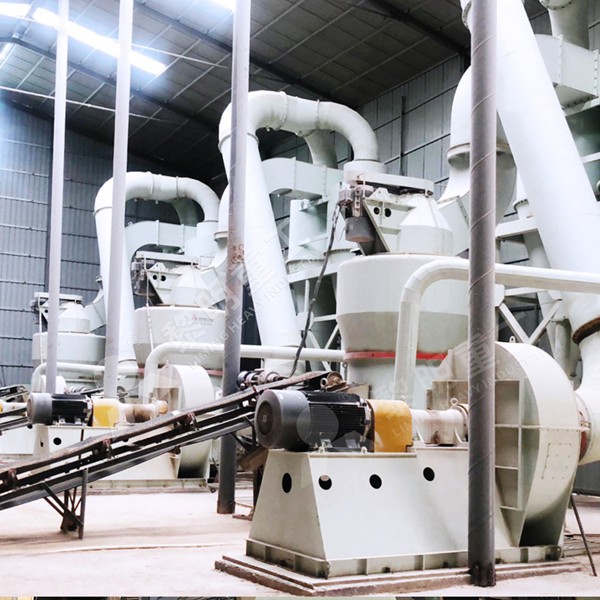
The working principle is both elegant and efficient. Crushed limestone is fed uniformly into the grinding chamber. Here, the material is ground between the stationary ring and rotating rollers. The ground powder is then carried upward by the airflow generated by the system's blower into the classifier. Particles meeting the required fineness (adjustable between 44μm to 613μm) pass through the classifier and proceed to the collection stage. Coarser particles are rejected by the classifier's centrifugal action, falling back to the grinding zone for further milling—a continuous cycle that guarantees product consistency.
This is where the pulse dust collector becomes the hero of environmental stewardship and operational efficiency. As the fine limestone powder-laden air exits the grinding circuit, it enters the dust collector. Unlike older baghouse designs, the pulse jet system employs high-pressure, short-duration bursts of compressed air to clean the filter bags automatically and without interrupting the airflow. This technology maintains optimal suction pressure, ensures high collection efficiency (often exceeding 99.9%), and allows for continuous, long-duration operation. The collected, valuable limestone powder is then conveyed to storage silos, while the cleaned air is recirculated back into the mill system, minimizing heat loss and energy waste.
The benefits of this integrated approach are manifold. First, it delivers exceptional product quality with precise particle size distribution, critical for applications like paint fillers, PVC compounding, or flue gas desulfurization sorbents. Second, the pulse dust collector is not an add-on but a core system component, ensuring the plant operates within stringent national and international environmental standards by virtually eliminating particulate emissions. Third, the closed-loop air system enhances energy efficiency, as the heated air from grinding is largely retained within the cycle, reducing the thermal energy required for drying slightly moist feed material.
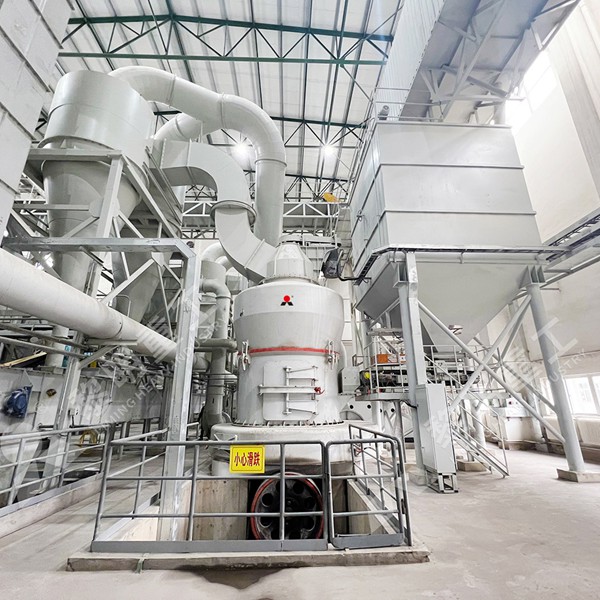
LIMING's commitment to R&D is evident in the refinements made to their Raymond Mill systems. By focusing on "scientific research tackling key problems" and "technological improvement," their engineering teams have optimized grinding roller pressure, classifier rotor speed, and the timing sequence of the pulse cleaner. This results in a machine that offers not just reliability but also adaptability, capable of producing various fineness grades of limestone powder to meet diverse market needs. The robust construction, stemming from decades of experience in heavy industrial machinery, ensures durability and low maintenance costs even under continuous operation.
In conclusion, the Limestone Raymond Mill with Pulse Dust Collector from LIMING HEAVY INDUSTRY represents a mature yet evolving technology. It successfully balances the tripartite industrial demands of high output quality, operational economy, and environmental responsibility. For any enterprise involved in non-metallic mineral processing, investing in such a complete system translates into a reliable, compliant, and profitable production line, backed by the expertise of a leader in global machinery manufacturing.
Frequently Asked Questions (FAQ)
- What is the typical fineness range achievable for limestone with this Raymond Mill system?
The system can consistently produce limestone powder with a fineness ranging from 44 microns (325 mesh) up to 613 microns (30 mesh). The fineness is easily adjustable via the integrated classifier's speed control. - How does the pulse dust collector contribute to operational efficiency?
The pulse jet cleaning mechanism allows for continuous, online cleaning of filter bags without system shutdown. This maintains consistent airflow and suction, leading to stable grinding conditions, higher energy efficiency, and uninterrupted production. - Can this system handle limestone with a slight moisture content?
Yes, the system is suitable for materials with less than 6% humidity. The recirculating hot air within the closed grinding circuit can effectively handle the evaporation of this minimal moisture during the milling process. - What are the primary industrial applications for the limestone powder produced?
Key applications include cement and concrete production, flue gas desulfurization in power plants, manufacturing of paints and coatings, plastics and rubber filling, soil conditioning in agriculture, and as a raw material in the chemical industry. - What is the advantage of the closed-circuit air system in this grinding setup?
The closed-loop system recycles heated air, significantly reducing thermal energy loss. This makes the process more energy-efficient, helps in controlling moisture, and contains all dust within the system, ensuring a cleaner and safer workshop environment.


