Published on: October 26, 2023
In the demanding world of mineral processing, achieving high-efficiency limestone powder production is paramount for profitability and environmental compliance. LIMING HEAVY INDUSTRY CO., LTD., a leader in grinding technology since 1987, addresses this need with its advanced Raymond grinding machines. These mills, particularly the MTW European Type Grinding Mill, represent a significant evolution from traditional designs, offering superior energy efficiency, higher throughput, and exceptional fineness control specifically tailored for limestone applications. By integrating patented grinding mechanisms, intelligent automated systems, and a closed-loop, eco-friendly design, Liming's solutions empower industries like power plant desulfurization, construction materials, and chemicals to produce high-quality limestone powder with reduced operational costs and a minimized carbon footprint.
For over three decades, LIMING HEAVY INDUSTRY has dedicated itself to the research, manufacturing, and sales of large and medium-sized crushing and grinding equipment. With headquarters in the HI-TECH Industry Development Zone of Zhengzhou and a sprawling manufacturing base, the company's philosophy centers on scientific management, precision manufacturing, and continuous innovation. This commitment is channeled into a product development strategy focused on core competitiveness, leveraging a mature R&D team to target the technological frontiers of the industry. The result is a suite of grinding machinery that sets benchmarks in performance and reliability.
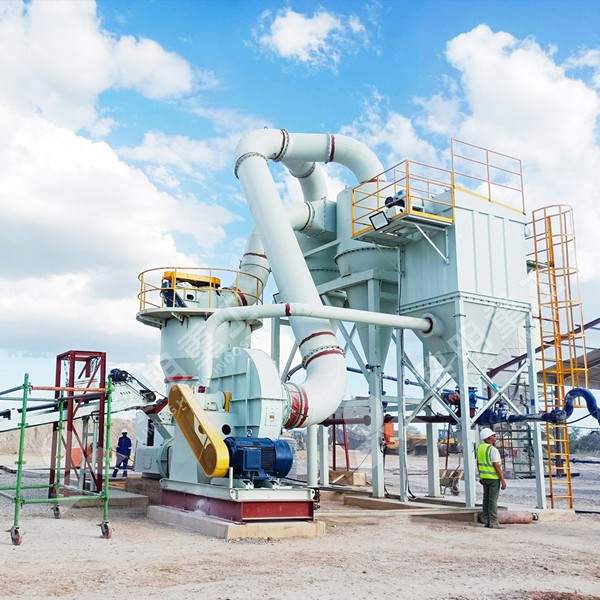
When it comes to processing limestone into fine powder, the Raymond Mill principle has long been the industry standard. However, Liming's modern interpretation, especially in its MTW European Type Trapezium Mill, elevates this principle to new heights. This machine is engineered as a complete system comprising the grinding mill, separator, air blower, crusher, feeder, and advanced dust collection apparatus. Its working principle is a model of efficiency: crushed limestone is fed evenly into the grinding chamber where it is ground between rollers and a ring. The ground powder is carried by an air stream to a high-efficiency separator; oversized particles are recycled for further grinding, while the finished product is collected. The entire air system is closed and recycled, with a pulse dust collector ensuring emissions meet stringent environmental standards.
The advantages of this system for limestone powder production are multifaceted. First, its energy efficiency is dramatically improved through optimized grinding curve design and reduced airflow resistance in the pipeline. Second, the fineness of the output can be precisely adjusted within a wide range, typically from 44μm to over 300 mesh, to meet diverse application requirements, from coarse fillers to ultra-fine powders. Third, its capacity, ranging from 3 to 55 tons per hour, caters to both medium and large-scale production needs. The mill's durability is enhanced by its wear-resistant materials and modular design for critical components like grinding rollers and rings, significantly extending service life and reducing maintenance downtime.
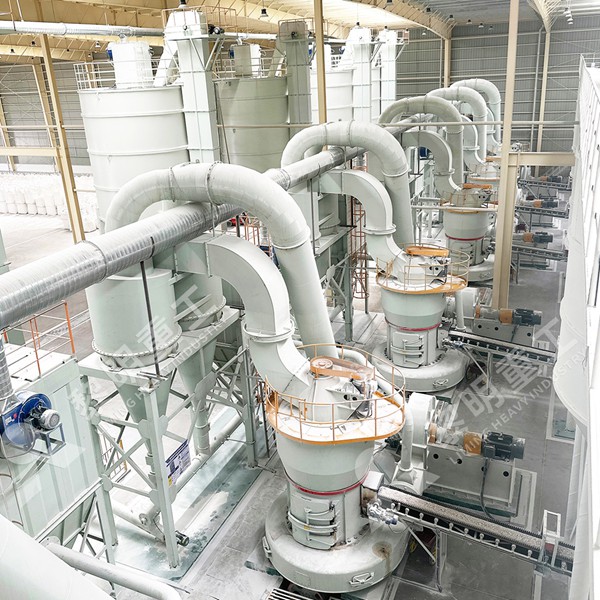
Liming's high-efficiency Raymond grinding machines find their primary application in key sectors. In power plants, they are indispensable for flue gas desulfurization (FGD), producing the finely ground limestone powder essential for scrubbing sulfur dioxide emissions. In the construction industry, they supply high-purity limestone powder for manufacturing materials like asphalt, paints, and plastics. Furthermore, they are crucial in producing heavy calcium carbonate for paper, rubber, and coatings. The machine's ability to handle non-flammable, non-explosive materials with Mohs hardness under 7 and humidity below 6% makes it exceptionally versatile for various mineral processing tasks beyond limestone.
Beyond the MTW series, LIMING HEAVY INDUSTRY's comprehensive portfolio, including the LM Vertical Roller Mill for higher capacity needs and the MW Micro Powder Mill for superfine processing, ensures a tailored solution for every limestone grinding challenge. Each machine embodies the company's core tenets of technological progress, reliability, and environmental stewardship. By choosing Liming's grinding equipment, operators invest not just in a machine, but in a total system designed for high productivity, low operational cost, and sustainable industrial practice, solidifying their competitive edge in the global market.
Frequently Asked Questions (FAQ)
Q1: What is the main difference between your MTW European Mill and a traditional Raymond mill?
A1: The MTW European Type Grinding Mill incorporates multiple patented technological upgrades, including a curved air duct, internal lubricating system for the grinding roller, and a more efficient separator. These enhancements result in higher grinding efficiency, larger capacity, lower energy consumption per ton, and more precise fineness control compared to traditional designs.
Q2: Can your Raymond mill handle moist limestone feedstock?
A2: Our standard Raymond mills are suitable for materials with humidity less than 6%. For limestone with higher moisture content, we recommend our LM Vertical Roller Mill, which integrates a drying function within the grinding chamber, capable of handling feedstock with significantly higher moisture levels.
Q3: What fineness range can be achieved for limestone powder?
A3: Our MTW European Mill can produce limestone powder with fineness adjustable between approximately 44 microns (325 mesh) and finer grades. For ultra-fine production requirements down to 5 microns (2500 mesh), our MW Micro Powder Mill is the recommended solution.
Q4: How is dust control managed during the grinding process?
A4: The system is a negative pressure, closed-loop air flow design. It is equipped with a high-efficiency pulse jet bag filter or other dust collection devices that capture over 99.9% of airborne particles, ensuring the workshop environment is clean and emissions comply with international environmental regulations.
Q5: What kind of after-sales support and service does Liming provide?
A5: We provide comprehensive support including professional installation guidance, operational training, and readily available spare parts supply. Our global service network offers technical consultation and maintenance services to ensure optimal and continuous operation of your grinding equipment.


