Published on: October 26, 2023
For the efficient processing of marble-type calcite into high-quality powders, selecting and configuring the appropriate Raymond mill system is paramount. This article provides a professional overview of optimal Raymond mill configurations from Liming Heavy Industry, focusing on achieving precise particle size distribution, high throughput, and energy efficiency for this specific non-metallic mineral application. We will explore the technical adaptations, auxiliary equipment integration, and process flow considerations that ensure superior product fineness and operational stability in calcite grinding circuits.
Marble-type calcite, a crystalline form of calcium carbonate, presents unique challenges and opportunities in mineral processing. Its moderate Mohs hardness (around 3) and specific fracture characteristics demand a grinding system that balances applied force with controlled particle dispersion to prevent over-grinding and maintain product brightness. Liming Heavy Industry's Raymond Mill, specifically the upgraded MTW European Type Trapezium Mill, stands as a cornerstone technology for this task. Its design evolution from traditional Raymond mills incorporates patented advancements that directly benefit calcite processing, including a more efficient grinding roller assembly, an improved air classifier, and an integrated pulse dust collection system that maintains a clean production environment—a critical factor for high-value calcium carbonate products.
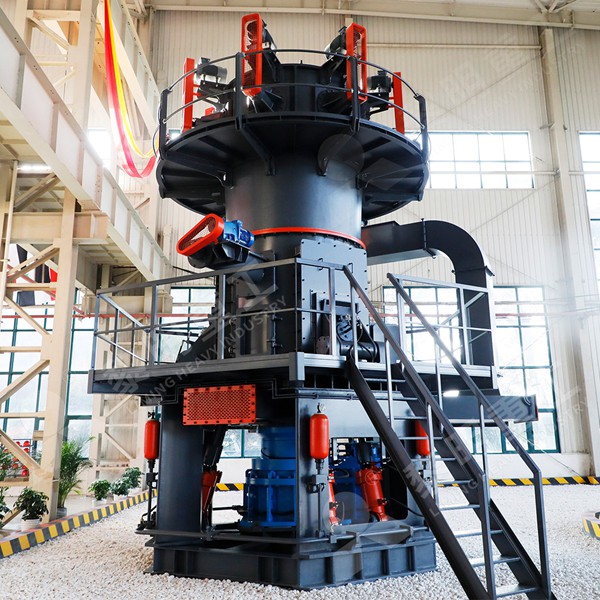
The core of the configuration lies in the grinding chamber and classifier system. For marble-type calcite, the mill's grinding rollers and ring are engineered to apply optimal pressure, creating a shearing and crushing action that produces a uniform particle slab. The integrated high-efficiency turbine classifier is then precisely adjusted to achieve the target fineness, typically ranging from 200 to 800 mesh for various industrial applications. This closed-circuit grinding system ensures that only particles meeting the size specification exit as product, while coarse material is continuously recirculated for further size reduction. This results in a narrow particle size distribution, enhancing the functional properties of the ground calcite in plastics, paints, and coatings.
Auxiliary equipment configuration is equally critical. A complete system from Liming Heavy Industry includes a jaw crusher for primary size reduction of raw calcite blocks, a variable-frequency vibrating feeder for consistent and controllable material input, and a high-pressure air blower that drives the entire pneumatic conveying and classification loop. The system's intelligence is boosted by an automatic electric control cabinet that monitors motor load, temperature, and feed rate, allowing for stable, continuous operation with minimal manual intervention. The configuration emphasizes energy conservation, as the MTW mill's curved air duct and internal flow optimization reduce wind resistance and power consumption per ton of product.
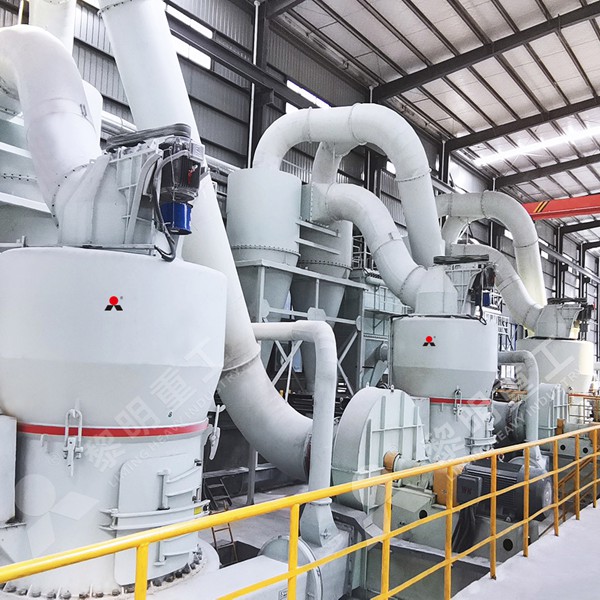
Operational parameters must be tailored to the moisture content and feed size of the marble-type calcite. Although the mill can handle materials with up to 6% humidity, pre-drying may be recommended for very moist feed to maximize grinding efficiency. The standard configuration accepts input sizes of 15-25mm, necessitating reliable primary crushing. For producers seeking ultra-fine products (d97 ≤ 5μm), Liming Heavy Industry's MW Micro Powder Mill, which incorporates advanced Swedish grinding technology, offers an alternative or complementary solution for superfine calcite powder production. Ultimately, the robustness of Liming's manufacturing—rooted in over three decades of precision engineering and a corporate ethos of continuous R&D—ensures that the configured Raymond mill system delivers not only high productivity but also long-term reliability in the demanding environment of non-metallic mineral processing.
Frequently Asked Questions (FAQ)
1. What is the typical output fineness range achievable for calcite with your Raymond Mill configuration?
Our MTW European Type Raymond Mill system can consistently produce calcite powder in a fineness range from approximately 44 microns (325 mesh) up to 613 microns. Finer adjustments within this spectrum are made via the integrated high-precision classifier.
2. How does the system handle the potential dust generated during calcite grinding?
The configuration is a negative-pressure, closed-circuit system. It is equipped with a high-efficiency pulse jet bag filter dust collector, which captures over 99.9% of airborne particles, ensuring a clean workshop and full compliance with environmental standards.
3. Can the same mill configuration process other calcium-based minerals besides marble-type calcite?
Yes, the system is highly versatile. With minor adjustments to grinding pressure and classifier speed, it can effectively process limestone, chalk, dolomite, and other non-flammable, non-explosive minerals with similar hardness.
4. What are the key factors in maintaining stable grinding capacity for calcite?
Stable capacity depends on consistent feed size (maintained by the primary crusher), controlled material moisture, stable feed rate via the automated feeder, and regular maintenance of grinding roller and ring wear parts to preserve milling efficiency.
5. Does Liming Heavy Industry provide support for system layout and foundation planning?
Absolutely. Our technical service team provides comprehensive foundation drawings, layout diagrams, and installation guidance based on the specific model and the client's plant conditions to ensure a smooth and correct installation process.


