Published on: October 26, 2023
This article outlines the comprehensive procedure for arranging a professional factory visit to LIMING HEAVY INDUSTRY CO., LTD. for the inspection of Raymond Mill equipment, specifically for calcite processing applications. It details the preparatory steps, the on-site inspection itinerary covering manufacturing facilities, technical demonstrations, and quality control processes, and concludes with post-visit technical support protocols. The guide is designed to ensure potential clients and partners can thoroughly evaluate the build quality, operational efficiency, and technological innovation behind our grinding machinery.
Arranging a factory visit is a critical step in the procurement process for industrial grinding equipment like the Raymond Mill. At LIMING HEAVY INDUSTRY, we welcome such inspections as they provide transparency and build trust. To initiate a visit, interested parties should contact our international sales department via our official channels. Our team will then coordinate a mutually agreeable date, typically requiring a notice of 7-10 working days to prepare a tailored itinerary. We recommend visits from technical engineers, project managers, or procurement specialists who can engage deeply with the operational details.
The core of the visit will be the inspection of the Raymond Mill production line. Our Raymond Mill is engineered for minerals grinding, excelling with non-flammable, non-explosive materials under 7 Mohs hardness and 6% humidity—making it ideal for calcite. Visitors will witness the assembly process in our workshops, focusing on key components like the grinding roller, grinding ring, classifier, and mainframe. Engineers will explain the material selection, such as the high-manganese steel for wear parts, and the precision machining that ensures stable performance and a fineness range between 613μm to 44μm.
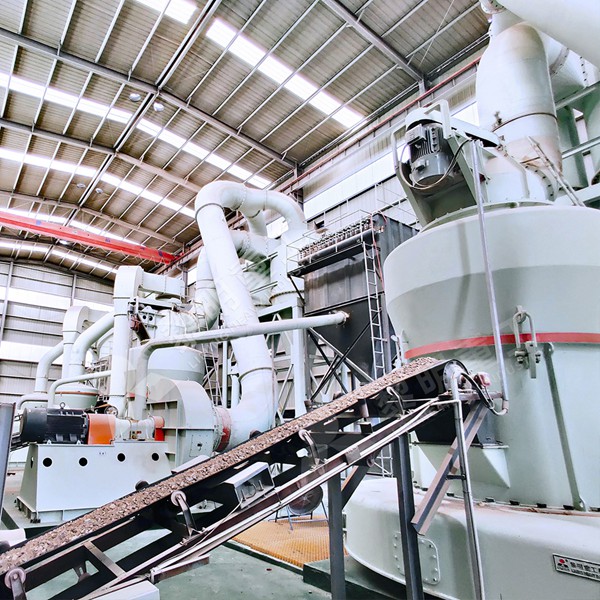
The itinerary includes a live demonstration at our testing center. Here, clients can provide a sample of their calcite material. Our technicians will run the sample through a Raymond Mill unit, allowing visitors to observe the entire process from feeding, grinding, classifying to powder collection. This practical session highlights the mill's integration of drying, grinding, powder selection, and conveying. Attendees can assess critical factors such as noise levels, dust containment via the pulse dust collector system, ease of operation, and the consistency of the output fineness tailored to their requirements.
A significant portion of the visit is dedicated to our Research and Development and Quality Control laboratories. LIMING HEAVY INDUSTRY's strategy is rooted in scientific R&D to enhance product competitiveness. Visitors will see how our mature scientific research team conducts tests on material hardness, grindability, and final product analysis. We adhere to a modern scientific management system and precision manufacturing standards. This segment underscores our commitment to "scientific research tackling key problems" and showcases the technological frontier we aim for in non-metallic mineral processing.
The tour also encompasses our broader manufacturing capabilities at the HI-TECH Industry Development Zone facility (80,000 m²) and the Shangjie Industry Park workshop (67,000 m²). This provides context, showing our scale and ability to handle large and medium-sized crushing and grinding equipment manufacturing. While the focus is on the Raymond Mill, seeing our production lines for related equipment like Jaw Crushers (for initial size reduction) and MW Micro Powder Mills (for superfine options) offers a complete picture of our grinding solutions portfolio.
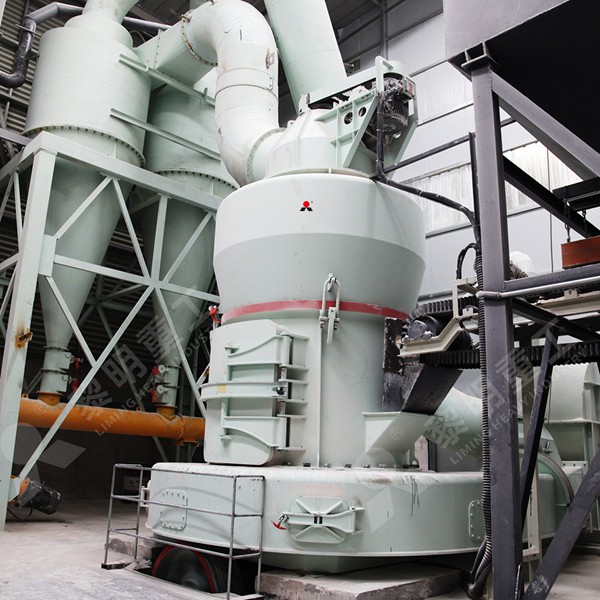
Following the physical inspection, a technical consultation meeting is held. Our senior engineers and product managers will present detailed documentation, including CAD drawings, performance data sheets, and compliance certificates. This is the forum to discuss specific project parameters—capacity needs (from 1.2 to 4.5 T/H), input size (15-25mm), plant layout, and auxiliary equipment. We emphasize our after-sales support structure, including installation guidance, operator training, and a global supply network for spare parts, ensuring long-term operational reliability for your calcite grinding investment.
Frequently Asked Questions (FAQ)
Q1: What is the typical lead time for a Raymond Mill order after a factory visit?
A: The lead time varies based on model specifications and order volume. Generally, for standard configurations, it ranges from 30 to 60 days after contract finalization and receipt of deposit. Customized requirements may extend this period slightly.
Q2: Can the Raymond Mill handle materials other than calcite during the demonstration?
A: Absolutely. While calcite is a primary application, our test center can also demonstrate processing for gypsum, limestone, talc, and other non-metallic minerals within the specified hardness and humidity limits, upon prior request.
Q3: What kind of technical documentation is provided post-visit?
A: We provide a comprehensive package including the detailed visit report, product manuals, foundation drawings, electrical schematics, a list of recommended spare parts, and installation & operation guidelines.
Q4: Does LIMING HEAVY INDUSTRY offer training for our operators and maintenance staff?
A: Yes, we offer both on-site and in-factory training programs. The standard package includes training on safe operation, routine maintenance, troubleshooting common issues, and parts replacement procedures.
Q5: How does the environmental performance of your Raymond Mill, particularly dust control, comply with international standards?
A: Our Raymond Mill systems are equipped with high-efficiency pulse jet bag dust collectors and operate on a negative pressure, closed-circuit air flow. This design ensures dust emission levels meet stringent international environmental protection standards, creating a cleaner workshop environment.


