Published: October 26, 2023
For European calcite processing plants seeking to enhance productivity, consistency, and operational efficiency, the integration of high-automation Raymond mill systems represents a significant technological leap forward. Modern iterations, such as the advanced European Type Grinding Mills, transcend the capabilities of traditional pendulum mills by incorporating intelligent control systems, precision engineering, and closed-loop grinding circuits. These systems deliver superior fineness control—crucial for high-value calcite fillers and coatings—while dramatically reducing manual intervention, energy consumption per ton, and environmental footprint. This evolution is driven by the synergy of robust mechanical design and smart automation, positioning such equipment as a cornerstone for competitive, sustainable mineral processing in the European market.
The core of this advancement lies in the sophisticated working principle of the modern high-automation Raymond mill. As a leader in grinding technology, Liming Heavy Industry's MTW European Type Trapezium Mill exemplifies this progress. The process begins with calibrated calcite feed, typically reduced to 30-50mm by a primary crusher. A variable-frequency belt feeder then ensures a perfectly consistent and regulated flow of material into the grinding chamber. Here, the calcite is ground between the rotating rollers and the stationary ring. The ground particles are carried upward by the induced air flow from the integrated blower to the high-efficiency separator.
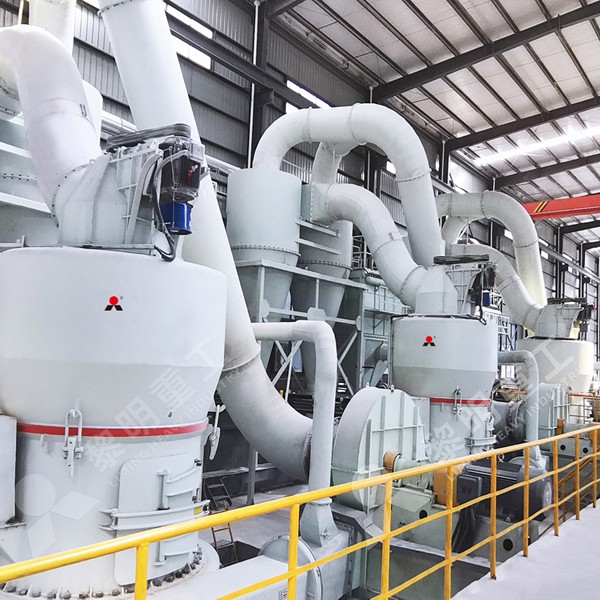
This is where automation proves transformative. The intelligent separator continuously analyzes particle size distribution. Oversized particles are rejected and returned for regrinding, while product meeting the precise fineness specification—adjustable within a wide range from coarse 44μm to fine powders—is conveyed to the collection system. The entire air circuit is a closed, negative-pressure system integrated with a pulse-jet dust collector, ensuring emissions are virtually nil and complying with stringent European environmental standards. This closed-loop automation not only guarantees product quality but also optimizes energy usage by recycling the air flow.
For calcite specifically, the benefits are multifaceted. European plants often require consistent batches of calcium carbonate with specific brightness and particle shape characteristics for applications in plastics, paints, and paper. The stability offered by an automated system is paramount. Fluctuations in feed rate, moisture, or hardness are compensated for in real-time by the control system adjusting parameters like roller pressure, classifier speed, and feeder rate. This results in a remarkably uniform product, batch after batch, minimizing waste and rejected off-spec material. Furthermore, the ability to finely tune the fineness allows a single plant to serve multiple market segments, from construction-grade fillers to ultra-fine precipitated calcium carbonate (PCC) alternatives.
Operational efficiency and sustainability are equally critical drivers in Europe. High-automation mills are designed for ease of maintenance and reduced labor costs. Centralized lubrication systems, remote monitoring capabilities, and easily accessible wear parts like grinding rolls and rings minimize downtime. From a sustainability perspective, the advanced design focuses on energy efficiency. The optimized grinding curve and efficient material-air separation reduce the specific energy consumption (kWh/ton) significantly compared to older mill designs. When combined with the near-total capture of particulates, this allows plants to meet both their economic goals and corporate social responsibility targets.
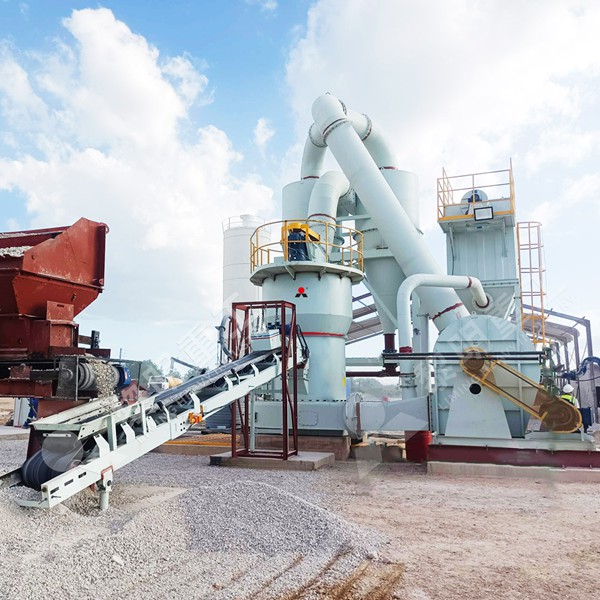
Liming Heavy Industry, with over three decades of experience in manufacturing medium and large-scale grinding equipment, has engineered its MTW series and related Raymond-type mills with these exact European plant requirements in mind. The company's philosophy of integrating research, manufacturing, and sales ensures that technological frontiers, such as smarter automation and greener processes, are continuously pursued. The mature scientific research team focuses on tackling key problems like wear resistance of components and system integration, ensuring that the machinery is not only advanced but also reliable for continuous, heavy-duty operation.
In conclusion, the shift towards high-automation Raymond mills is not merely an equipment upgrade; it is a strategic investment for the future of calcite processing in Europe. It delivers the trifecta of superior product quality, lower operational costs, and enhanced environmental performance. By leveraging intelligent control systems, closed-loop design, and robust engineering, these mills provide the technological backbone for plants to remain agile, compliant, and competitive in a demanding global market.
Frequently Asked Questions (FAQs)
1. What is the key advantage of a high-automation Raymond mill over a traditional one for calcite?
The primary advantage is consistent, precise fineness control with minimal manual intervention. Automated systems adjust in real-time to feed variations, ensuring uniform product quality and optimizing energy use, which is critical for high-value calcite applications.
2. How does the closed-loop system contribute to environmental compliance?
The negative-pressure closed-loop air system, integrated with a high-efficiency pulse dust collector, prevents powder leakage and ensures emissions are well below strict European limits, making the entire grinding process cleaner and safer.
3. Can one mill produce different fineness grades of calcite powder?
Yes. Modern high-automation mills feature adjustable classifiers and control parameters that allow operators to easily switch between different fineness specifications, from 44μm up to much finer powders, enabling production flexibility for various market needs.
4. What is the typical feed size for calcite entering such a milling system?
For optimal efficiency, the calcite should be pre-crushed to a size range of 30-50mm before being fed into the system's automated feeder, which then regulates the flow into the grinding chamber.
5. How does automation reduce long-term operating costs?
Automation reduces labor costs for operation and monitoring, minimizes energy waste through optimized grinding, decreases product giveaway from off-spec batches, and enables predictive maintenance through system diagnostics, all contributing to a lower total cost of ownership.


