Published: October 26, 2023
A complete, efficient, and reliable calcite powder production line is essential for meeting the stringent quality and consistency demands of modern industries. This article provides a comprehensive overview of a turnkey solution centered on a Raymond Mill system, engineered and supplied by LIMING HEAVY INDUSTRY. We will explore the system's core components, working principle, and the technological advantages that make it a preferred choice for processing calcite into fine powders for applications ranging from plastics and paints to construction materials.
At the heart of this production line is the classic yet continually refined Raymond Mill. A stalwart in mineral processing for decades, the Raymond Mill from LIMING HEAVY INDUSTRY is specifically engineered for materials like calcite, with a Mohs hardness under 7 and humidity below 6%. Its strength lies in its robust construction and efficient grinding mechanism, capable of producing powders with fineness ranging from 613μm down to 44μm. This versatility allows producers to tailor output to specific market requirements, whether for coarse fillers or finer-grade additives.
The production process begins with the primary crushing of raw calcite ore. Large lumps are fed into a jaw crusher, a workhorse known for its reliability and high reduction ratio, which breaks them down to a manageable size of 15-25mm. This pre-crushing stage is critical for ensuring consistent feed to the grinding mill and optimizing overall system efficiency.
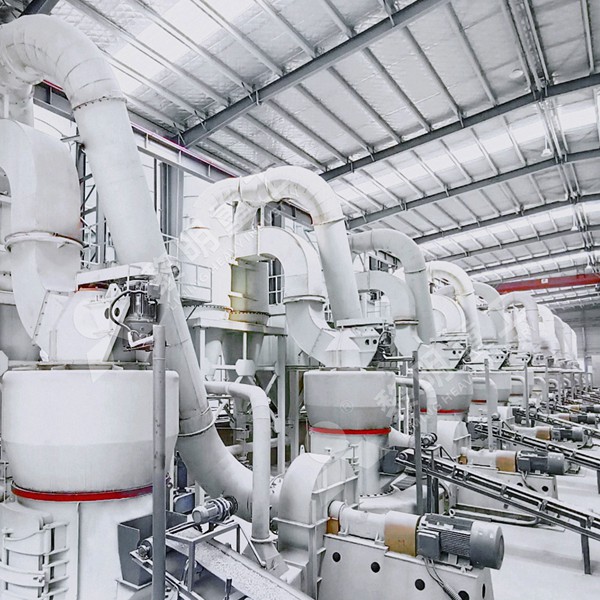
The crushed material is then conveyed via a variable-frequency belt feeder to the Raymond Mill's grinding chamber. This feeder is a key component for automation and stability, as it ensures a steady and precisely controlled feed rate, preventing mill overload or underutilization. Inside the mill, the material is ground between the stationary ring and rotating rollers. The ground powder is carried upward by the airflow generated by an integrated blower into a high-efficiency separator.
Here, precision classification occurs. Oversized particles that fail to meet the target fineness are rejected by the separator's dynamic blades and fall back into the grinding chamber for further milling. This closed-loop grinding and classifying process is fundamental to achieving a uniform product. The fine powder that meets the specification passes through the separator and is transported via the air stream to a pulse-jet baghouse dust collector.
LIMING HEAVY INDUSTRY's system prioritizes environmental responsibility. The pulse dust collector is highly efficient, capturing over 99.9% of the airborne particles, ensuring that the exhaust meets stringent environmental standards. The collected, high-value calcite powder is then discharged through rotary valves into silos or packaging systems. The cleaned air is recirculated back into the system, creating a negative-pressure, dust-free, and energy-efficient closed circuit.
While the Raymond Mill is the core, LIMING HEAVY INDUSTRY offers complementary technologies for more specialized needs. For projects requiring ultra-fine calcite powder (d97 ≤ 5μm), the MW Micro Powder Mill, which incorporates advanced European grinding technology, is an ideal solution. For large-scale production of coarser powders, the MTW European Type Grinding Mill offers higher capacity and energy efficiency with its patented trapezoidal grinding structure. The choice of system is tailored to the client's specific capacity, fineness, and investment goals.
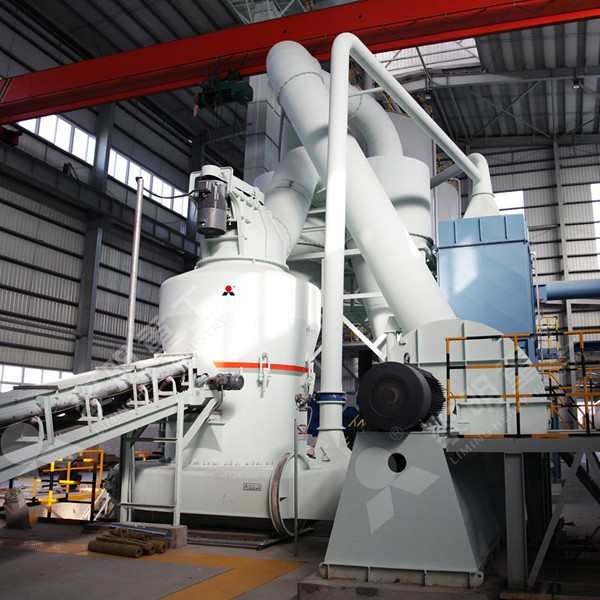
As a modern joint-stock corporation with research, manufacturing, and sales integrated, LIMING HEAVY INDUSTRY brings over three decades of expertise to every project. From the initial design in their Hi-TECH Industry Development Zone research facilities to precision manufacturing in their 80,000 m² workshops, the focus is on delivering a complete production line characterized by operational stability, low maintenance, and superior powder quality. The company's commitment to "scientific research tackling key problems" ensures that their grinding systems remain at the technological forefront.
In conclusion, a complete calcite powder production line from LIMING HEAVY INDUSTRY, featuring their optimized Raymond Mill system, represents a synergistic integration of crushing, grinding, classifying, and collecting technologies. It is a solution built for productivity, quality control, and environmental compliance, enabling producers to reliably supply the growing global market for high-grade calcite powder.
Frequently Asked Questions (FAQ)
1. What is the typical input size for calcite in this Raymond Mill system?
The system is designed to handle calcite feed material with a size generally between 15-25mm after primary crushing by the jaw crusher.
2. Can the fineness of the final calcite powder be adjusted during operation?
Yes. The fineness, ranging from 44μm to 613μm, can be precisely adjusted by modifying the speed of the classifier inside the Raymond Mill system, allowing for quick changes to meet different product specifications.
3. How does the system ensure environmental protection?
The production line is equipped with a high-efficiency pulse-jet baghouse dust collector. It creates a negative-pressure, closed-circuit airflow system, effectively capturing dust and ensuring emissions comply with environmental standards.
4. What are the main advantages of choosing a complete line from a single supplier like LIMING HEAVY INDUSTRY?
It ensures perfect compatibility between all components (crusher, mill, classifier, collector, etc.), provides a single point of responsibility for installation and service, and guarantees optimized system performance from a unified engineering design.
5. For higher capacity needs, is there an alternative to the standard Raymond Mill?
Absolutely. For larger-scale calcite powder production, LIMING HEAVY INDUSTRY recommends the MTW European Type Grinding Mill, which offers higher throughput and advanced features for improved energy efficiency and capacity.


