Published: October 26, 2023
The evolution of mineral processing enters a new era with the introduction of Liming Heavy Industry's Intelligent Raymond Mill, specifically engineered for high-purity calcite production. This system transcends traditional grinding by integrating Industry 4.0 principles, featuring real-time remote monitoring, predictive maintenance algorithms, and adaptive grinding controls. Designed for operations prioritizing consistency, efficiency, and minimal downtime, the mill delivers fineness between 44μm to 613μm while offering unparalleled oversight from any location. It represents a synthesis of Liming's three-decade expertise in crushing and grinding technology with modern digital connectivity, setting a new benchmark for intelligent mineral processing solutions.
At its core, this intelligent mill builds upon the proven mechanical foundation of Liming's Raymond Mill platform, renowned for processing non-flammable, non-explosive materials under Mohs hardness 7 and 6% humidity. The enhancements are digital and systemic. Embedded IoT sensors continuously collect operational data—including roller pressure, bearing temperature, motor vibration, airflow volume, and product fineness—transmitting it securely to a cloud-based platform. Process managers can visualize this data through a centralized dashboard, receiving alerts for any parameter deviation from optimal ranges. This capability is transformative for calcite processing, where consistent particle size distribution is critical for applications in plastics, paints, coatings, and paper.
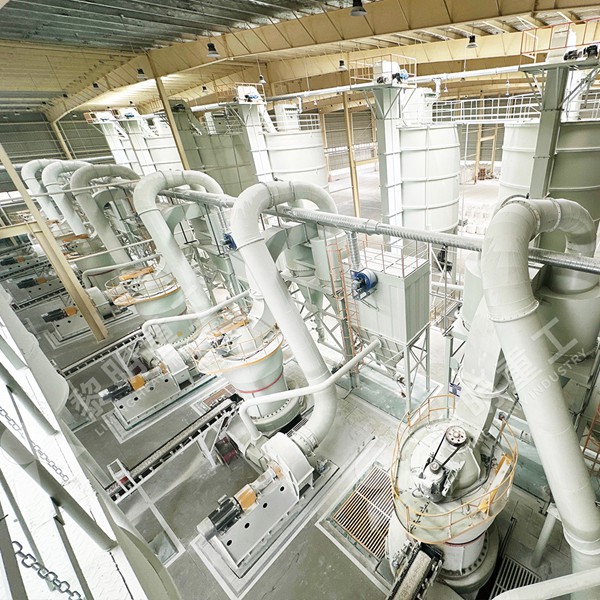
The remote monitoring functionality addresses one of the most significant challenges in grinding operations: unplanned stoppages. By analyzing trends in vibration and temperature data, the system's software can predict potential component failures, such as roller bearing wear or classifier issues, before they cause catastrophic breakdowns. Maintenance can be scheduled during natural pauses in production, drastically improving overall equipment effectiveness (OEE). Furthermore, for multi-site operations, technical experts at Liming's headquarters in Zhengzhou's HI-TECH Industry Development Zone can access anonymized, permission-based data streams to provide diagnostic support and optimization recommendations, effectively creating a virtual service team.
From a processing standpoint, the mill's intelligence directly enhances product quality. The grinding process for calcite is automatically adjusted based on feed characteristics and desired output. If the feed size varies or hardness fluctuates slightly within the deposit, the system can modulate the grinding force and classifier speed to maintain a stable output fineness. This closed-loop control ensures that every batch of calcite powder meets precise specifications, reducing waste and re-processing. The grinding mechanism itself involves materials being ground between the roller and ring, then carried by the airflow to the classifier for separation—a process now finely tuned by real-time data.
Liming Heavy Industry's commitment to "scientific research tackling key problems" is evident in this development. The company's mature R&D team focused on integrating robust industrial hardware with secure, scalable software. The system operates on a closed network architecture with encrypted data transmission, ensuring operational security is never compromised for the sake of connectivity. This intelligent Raymond mill is not merely an isolated product; it is designed as a node within a broader smart factory ecosystem, compatible with future advancements in AI-driven process optimization.
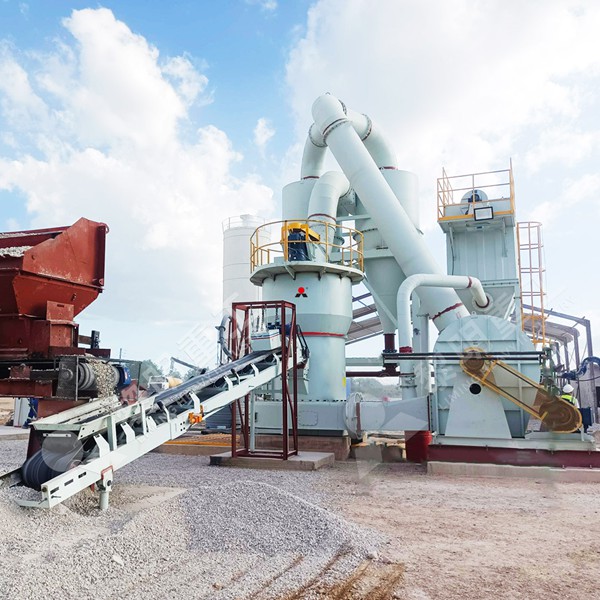
Environmental and energy considerations are also optimized through intelligence. The mill's power consumption is continuously monitored, and the system can suggest operational setpoints that maximize throughput per unit of energy—a key cost and sustainability factor. The integrated pulse dust collector ensures emissions remain well within environmental standards, a non-negotiable aspect of modern manufacturing. By leveraging the remote capabilities, operators can also ensure the system is shut down or throttled during non-peak energy hours, contributing to smarter resource management.
Ultimately, this Intelligent Raymond Mill for Calcite signifies a strategic shift from selling machinery to delivering guaranteed outcomes—consistent tonnage of precisely graded calcite powder with maximum uptime. It embodies Liming Heavy Industry's philosophy of integrating precision manufacturing with pioneering innovation. For producers aiming to modernize their operations, reduce operational risks, and gain a competitive edge through superior product quality and operational transparency, this intelligent system offers a compelling, future-ready solution.
Frequently Asked Questions (FAQ)
- How does the remote monitoring system ensure data security and prevent unauthorized access?
The system employs industrial-grade encryption for all data transmissions and operates on a secure, closed-loop network architecture with multi-factor authentication and role-based access controls, ensuring only authorized personnel can view or adjust operational parameters. - Can this intelligent mill handle variations in the moisture content or hardness of the raw calcite feed?
Yes. The adaptive control system uses real-time sensor data to automatically adjust grinding pressure, classifier speed, and airflow to compensate for reasonable fluctuations in feed characteristics, maintaining consistent output fineness. - What kind of internet connectivity is required at the plant site for the remote features to function reliably?
A stable, broadband internet connection is sufficient. The system is designed to buffer data locally during brief connectivity losses and transmit it once the connection is restored, ensuring no loss of critical operational history. - Does the predictive maintenance feature require manual input of component lifespans, or is it self-learning?
The system utilizes a self-learning algorithm that establishes a baseline of normal vibration and temperature patterns for your specific mill. It then identifies deviations from this baseline, improving its predictive accuracy over time without requiring manual lifespan estimates. - Is the remote monitoring platform accessible via mobile devices, and does it offer offline functionality?
Yes, the dashboard is a responsive web application accessible from tablets and smartphones. Key performance indicators and alerts can be viewed offline, while full historical data analysis requires an active connection.


