Published: October 26, 2023
In the demanding world of mineral processing, efficiency and ease of operation are paramount. Liming Heavy Industry introduces a significant advancement in grinding technology: a next-generation Raymond Mill specifically engineered for calcite processing, featuring an intuitive touch screen control interface. This innovation represents a fusion of our decades-long expertise in robust machinery manufacturing with cutting-edge digital human-machine interaction. Designed to streamline workflow, reduce operator training time, and minimize human error, this calcite Raymond Mill delivers consistent, high-quality powder fineness between 613μm and 44μm, all through a modern, user-centric control system. It embodies our commitment to pioneering and innovation, transforming complex grinding operations into simple, precise, and reliable processes.
Building upon the proven, reliable foundation of the traditional Raymond mill—a workhorse in metallurgy, building materials, and non-metallic mineral processing—this enhanced model integrates a fully automated electric control system centered around a responsive industrial-grade touch screen. The interface provides a centralized command center for the entire milling operation. Operators can now monitor critical parameters such as feed rate, grinding pressure, classifier speed, and final product fineness in real-time. Adjustments that once required manual intervention on mechanical components are now executed with a few taps on the vibrant display, ensuring precise control over the grinding cycle and final product specifications for calcite and similar non-flammable materials.
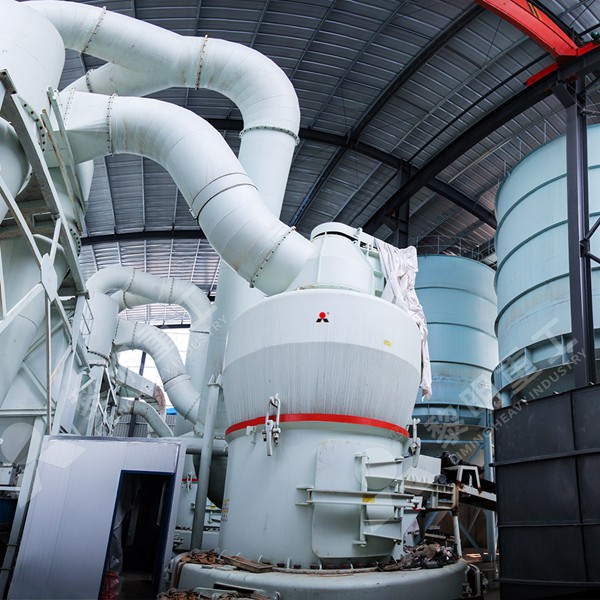
The core grinding mechanism remains exceptionally robust, suitable for materials under 7 Mohs hardness and 6% humidity. The system utilizes a grinding ring and rollers to pulverize the calcite. The revolutionary ease of operation comes from how this mechanical process is managed. The touch screen system automates the sequencing of auxiliary equipment, including the vibrating feeder, crusher, blower, and powder collector. Start-up and shutdown sequences are programmed for optimal equipment safety and longevity. Furthermore, the system can store multiple recipes for different calcite product fineness targets, allowing for quick changeovers and batch consistency without relying on specialized operator skill.
Liming Heavy Industry's dedication to scientific research and technological improvement is evident in this design. The development of this easy-to-operate mill stems from our mature R&D team's focus on the industry's technological frontier. By tackling the key problem of operational complexity, we have enhanced the overall value proposition of our grinding equipment. The touch screen interface is not merely an add-on; it is integrated into a sophisticated control cabinet that manages motors and drives, ensuring synchronized operation. This digital integration facilitates predictive maintenance alerts by tracking operational hours and system performance, helping to prevent unplanned downtime.
From an environmental and operational safety standpoint, the mill maintains a fully closed negative-pressure circulation system. The ground calcite powder is carried by the air flow to the high-efficiency separator. Oversized particles are returned for regrinding, while the qualified fine powder is collected by the pulse dust collector—a system that complies with stringent environmental standards. The touch screen provides continuous feedback on the dust collector's status and bag pressure, ensuring eco-friendly operation is always maintained with minimal operator oversight.
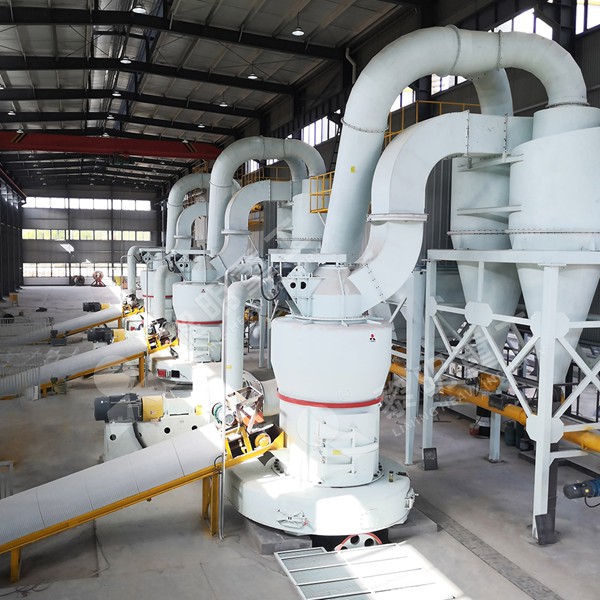
This calcite Raymond Mill is engineered for productivity, with a capacity range suitable for various production scales. Its ease of operation makes it an ideal solution not only for large-scale processing plants but also for facilities with limited technical staff. By reducing the reliance on highly experienced mill operators and minimizing potential for adjustment errors, the mill ensures that the final calcite product consistently meets the precise requirements of industries such as plastics, paints, and construction materials. It represents Liming Heavy Industry's vision of modern, intelligent machinery manufacturing—where precision manufacturing meets user-friendly innovation to improve our clients' competitiveness.
Frequently Asked Questions (FAQ)
- What is the primary advantage of the touch screen interface on this Raymond Mill?
The primary advantage is a drastic simplification of operation and control. It centralizes all commands, allows for precise digital adjustment of grinding parameters, stores production recipes, and provides real-time system monitoring, significantly reducing training time and operational errors. - Can this mill process materials other than calcite?
Yes. While optimized for calcite, it is suitable for grinding any non-flammable, non-explosive material with a Mohs hardness below 7 and humidity less than 6%, such as gypsum, talc, barite, and various other non-metallic minerals. - How does the touch screen system contribute to maintenance?
The integrated control system can track operational data and provide predictive maintenance alerts based on running hours and performance trends. This helps plan maintenance activities proactively, reducing the risk of unexpected breakdowns. - Is the fineness of the final product adjustable via the touch screen?
Absolutely. The operator can adjust the speed of the built-in classifier directly through the touch screen interface, which directly controls the particle size separation point, allowing quick and precise changes to the output fineness within the mill's range. - Does this easy-to-operate design compromise the mill's durability or capacity?
Not at all. The user-friendly digital controls are layered on top of the same robust, reliable mechanical grinding structure that Raymond Mills are known for. The capacity and mechanical durability are maintained or enhanced, while operational accessibility is significantly improved.


