Published on: October 26, 2023
Producing calcite powder with a consistent whiteness level between 90-96% is a critical requirement for high-value applications in plastics, paints, coatings, and paper. This demanding specification hinges on precise control over the entire grinding process, from raw material selection to final product collection. LIMING HEAVY INDUSTRY's advanced Raymond Mill and MTW European Type Grinding Mill systems are engineered specifically to meet this challenge. By integrating superior grinding mechanics with closed-circuit, negative pressure systems and efficient impurity removal, these mills deliver not only the desired fineness but also the exceptional brightness and purity that define premium calcite products. This article explores the technical principles and operational strategies that enable reliable whiteness control in industrial-scale calcite processing.
For over three decades, LIMING HEAVY INDUSTRY has been at the forefront of grinding technology innovation. Founded in 1987, the company has evolved into a leader in manufacturing large and medium-sized crushing and grinding equipment, with a firm commitment to scientific research and technological advancement. Our production facilities, spanning over 147,000 square meters in Zhengzhou's HI-TECH Industry Development Zone and Shangjie Industry Park, are dedicated to precision manufacturing. This foundational expertise is directly applied to developing milling solutions that address complex material requirements, such as achieving and maintaining specific whiteness levels in mineral powders.
The quest for high whiteness in calcite powder begins with understanding the sources of discoloration. Impurities within the raw calcite feed, such as iron oxides, manganese, or organic matter, are primary culprits. Furthermore, the grinding process itself can introduce contamination through metal wear from mill components. LIMING HEAVY INDUSTRY's Raymond Mill systems are designed to mitigate these factors comprehensively. The grinding chamber and contact parts are lined with high-chromium or ceramic materials that are highly resistant to abrasion, significantly reducing iron contamination—a major threat to whiteness. The systems operate on a closed-circuit, negative pressure principle, which not only improves efficiency but also prevents external airborne pollutants from entering the product stream.
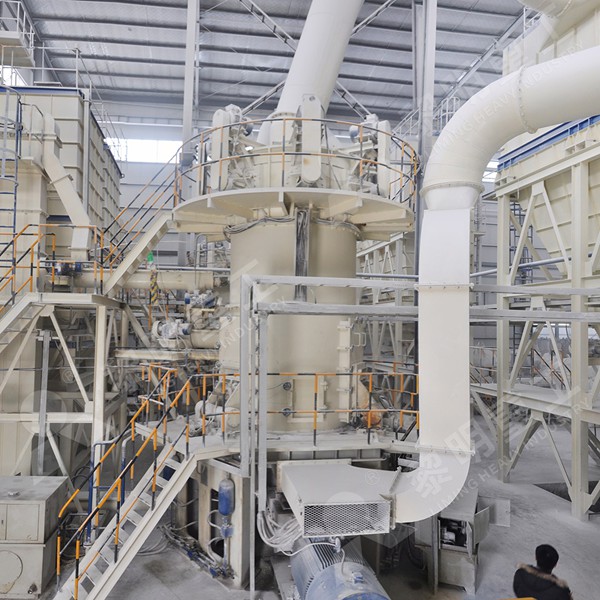
Central to whiteness control is the integrated high-efficiency classifier. In our MTW European Type Trapezium Mill, the classifier's precision is paramount. It ensures that only particles meeting the target fineness (typically between 44μm to 613μm) exit the grinding zone. Over-grinding is minimized, which reduces energy consumption and, more importantly, limits the generation of excessive heat and surface defects that can alter the light-scattering properties of the calcite particles, thereby affecting brightness. The sharp classification also allows for a tighter particle size distribution, which contributes to a more consistent and brighter appearance in the final application.
The system's dedication to purity extends to its dust collection. A high-performance pulse jet bag filter or other advanced dust collector is a standard component. This unit does more than just meet environmental standards; it acts as the final guardian of product quality. It ensures that the ultra-fine powder, which is most susceptible to contamination, is collected in an ultra-clean state, free from recirculated coarse particles or external dust. The entire airflow within the grinding circuit is sealed and recycled, creating a stable, controlled environment that is essential for consistent whiteness batch after batch.
Operational practices are equally crucial. Achieving the 90-96% whiteness bracket requires starting with a sufficiently pure calcite feed. While the mill system can handle some variation, consistent raw material quality is key. Furthermore, the mill's parameters—such as grinding roller pressure, classifier speed, and air volume—must be finely tuned and monitored. LIMING's mills often feature automated control systems that help maintain these parameters at optimal setpoints, reducing human error and ensuring stability. Regular maintenance of wear parts, even those made from highly durable materials, is essential to prevent any gradual increase in metallic contamination over time.
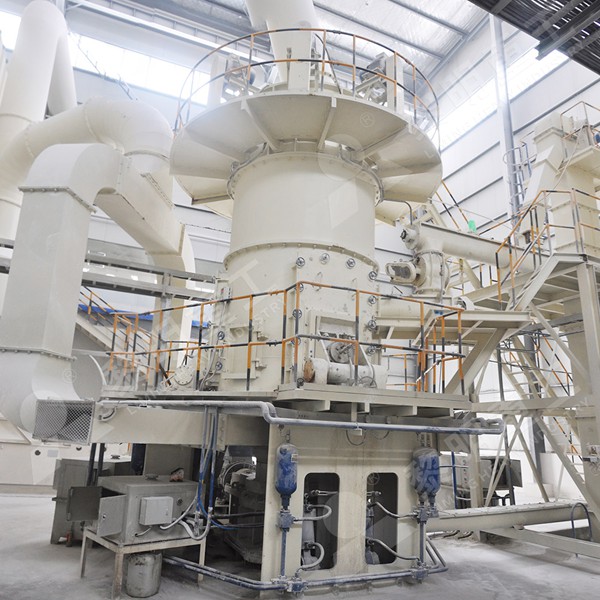
In comparison to simpler grinding methods, the technological package offered by LIMING's Raymond and MTW mills provides a holistic solution. It addresses the problem of whiteness from multiple angles: material selection for construction, intelligent mechanical design to prevent contamination, precise classification to optimize particle properties, and closed-loop automation to ensure process stability. This integrated approach transforms whiteness from a hopeful outcome into a controllable, repeatable product specification. For industries where the visual and functional properties of calcite are critical, this level of control is not a luxury but a necessity for maintaining competitive advantage and product quality.
Ultimately, the ability to reliably produce calcite powder with a whiteness of 90-96% is a testament to the maturity of modern grinding technology. LIMING HEAVY INDUSTRY continues to push this maturity forward through relentless R&D, focusing on the core competitiveness of its products. By tackling the scientific and engineering challenges associated with mineral purity, we provide our clients with more than just machinery; we deliver a dependable process for creating high-value, specification-grade materials that meet the exacting demands of global markets.
Frequently Asked Questions (FAQ)
- What are the main factors that affect the whiteness of calcite powder during grinding?
The primary factors are metallic contamination from mill wear (especially iron), impurities in the raw calcite ore, overheating during grinding which can alter particle surfaces, and contamination from the process air or collection system. - Can your Raymond Mill handle raw calcite with varying levels of initial purity?
While the mill is designed to minimize added contamination, achieving consistent 90-96% whiteness is most reliable with a consistently pure feed. We recommend source control and, if necessary, pre-processing of lower-grade ore to ensure stable results. - How does the closed-circuit, negative pressure system contribute to higher whiteness?
It creates a sealed environment that prevents external pollutants from entering the product stream. The negative pressure ensures all airflow is drawn through filters, and the closed circuit recycles clean air, maintaining a stable, clean grinding atmosphere. - Is the target whiteness level adjustable, and how is it controlled?
Yes, whiteness is influenced by adjustable operational parameters like classifier speed (affecting fineness and over-grinding), grinding pressure, and system air volume. These are controlled via the mill's electric control system, allowing operators to fine-tune the process for the desired outcome. - What maintenance is critical for sustaining high whiteness production over the long term?
Regular inspection and scheduled replacement of grinding rollers, rings, and classifier blades are essential to prevent increased metallic wear contamination. Additionally, ensuring the integrity of seals and the efficiency of the pulse dust collector is crucial for maintaining a clean system.


