Published on: October 26, 2023
Designing a complete, efficient, and modern plant for producing high-quality calcite powder from raw ore requires a holistic approach integrating advanced comminution, classification, and material handling technologies. This article outlines a professional plant design flow, leveraging state-of-the-art grinding and processing equipment from LIMING HEAVY INDUSTRY, to transform raw calcite ore into a finely packaged product ready for diverse industrial applications such as plastics, paints, paper, and construction materials. The design emphasizes process efficiency, product fineness control, energy conservation, and full compliance with environmental standards.
The journey of calcite powder begins at the quarry. Raw calcite ore, typically containing large lumps, is first transported to the primary crushing station. Here, a robust jaw crusher reduces the ore to a manageable size of less than 50mm. This stage is critical for preparing a consistent feed for the subsequent grinding circuits. The crushed material is then conveyed to a raw material storage silo via belt conveyors, ensuring a buffer stock for continuous plant operation.
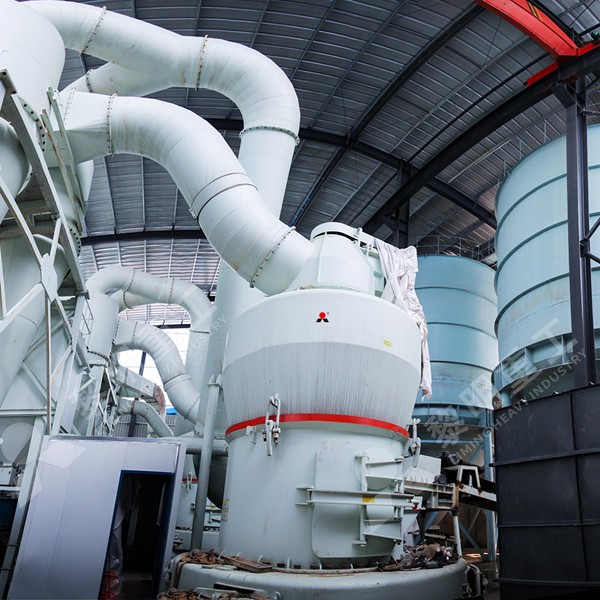
Following primary crushing, the pre-crushed calcite is precisely fed into the core of the plant: the grinding system. For high-volume production of calcite powder in the range of 200 to 400 mesh (74-44μm), the MTW European Type Grinding Mill is an optimal choice. This system represents a significant technological advancement over traditional mills. Its integrated design includes the mill, a high-efficiency separator, an air blower, and a sophisticated dust collection system. The material is ground between rollers and a grinding ring, and the airflow carries the fine particles to the dynamic separator. Oversize particles are rejected and returned for further grinding, ensuring precise particle size distribution. The closed-circuit airflow system, coupled with a pulse jet dust collector, guarantees minimal dust emission and a clean working environment.
For applications demanding ultra-fine calcite powder (d97 ≤ 5μm or 2500 mesh and above), the MW Micro Powder Mill is the technology of choice. This mill absorbs advanced grinding technology and excels in superfine processing. Its working principle involves multiple rollers rotating against a raceway under centrifugal force, creating intense grinding pressure for ultra-fine pulverization. It is particularly suitable for producing high-value-added calcite products for premium coatings, high-end plastics, and adhesives.
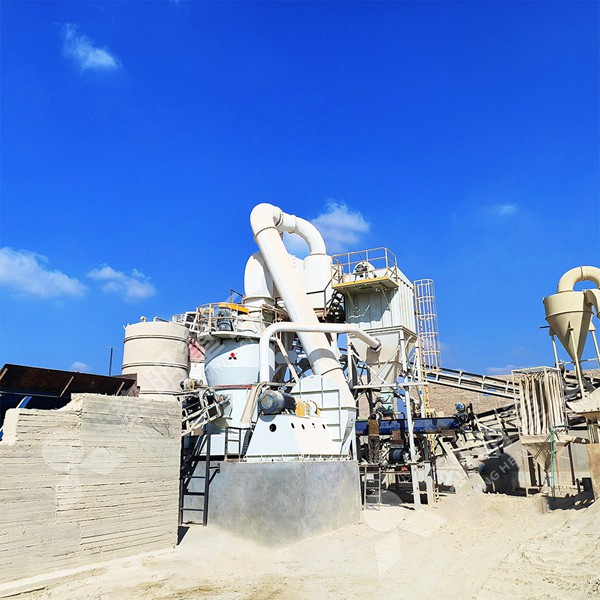
Post-grinding, the calcite powder is pneumatically transported to the product collection system. Here, high-efficiency cyclone separators and baghouse filters separate the powder from the conveying air. The collected powder is then transferred to large-capacity finished product silos for homogenization and storage. Quality control is paramount at this stage. Automated sampling and online particle size analyzers can be integrated to monitor fineness (e.g., D50, D97) in real-time, ensuring batch-to-batch consistency.
The final stage is packaging and dispatch. The calcite powder is fed from the storage silos to automated packaging machines. These can be configured for various bag types, from 25kg paper bags to 1-ton jumbo bags (FIBCs), depending on customer requirements. The packaged products are then palletized, stretch-wrapped, and labeled before being moved to the warehouse for shipment. The entire plant design, from raw ore intake to bag sealing, prioritizes automation to reduce labor costs, minimize product contamination, and enhance overall operational safety.
As a leader in grinding technology for over three decades, LIMING HEAVY INDUSTRY provides not just individual machines but complete system solutions. Our engineers consider all aspects—from plant layout and equipment selection to electrical control systems and environmental protection—to deliver a turnkey calcite powder plant that is reliable, productive, and sustainable. Our LM Vertical Roller Mill also offers an excellent solution for large-scale projects requiring simultaneous drying and grinding, while our classic Raymond Mill remains a cost-effective workhorse for standard fineness requirements.
Frequently Asked Questions (FAQs)
1. What is the typical particle size range achievable for calcite powder in your plant design?
Our plant designs can produce calcite powder across a wide spectrum. Standard designs using MTW European Mills typically yield products from 44μm (325 mesh) to 613μm. For ultra-fine powders, the MW Micro Powder Mill can achieve fineness up to d97 ≤ 5μm (approx. 2500 mesh). The exact range is tailored to client specifications.
2. How does your system ensure consistent product quality?
Consistency is achieved through integrated process control. Key factors include stable feed rate control, precise grinding pressure adjustment in the mill, efficient high-precision dynamic classifiers for particle separation, and automated monitoring systems for critical parameters like fineness and moisture.
3. What environmental protection measures are included?
The design mandates a fully enclosed conveying system and a high-efficiency pulse jet bag dust collector (with efficiency >99.9%) at every potential dust emission point. This ensures the plant operates well within national and international environmental emission standards.
4. What is the role of the jaw crusher in a calcite powder plant?
The jaw crusher performs primary size reduction, breaking down large, raw calcite ore lumps (often >300mm) into smaller pieces (typically ≤50mm). This creates a uniform feed size crucial for the optimal and efficient operation of the downstream grinding mills.
5. Can your plant design handle wet or moist calcite ore?
Yes. For ores with significant surface moisture, we can integrate an LM Vertical Roller Mill or equip the system with a pre-dryer. The LM mill inherently combines grinding and drying in a single unit, using hot air introduced into the mill chamber to dry the material during grinding.


