Published: October 26, 2023
For pharmaceutical manufacturers seeking a reliable and compliant solution for calcite micronization, the GMP-standard Raymond Mill from Liming Heavy Industry offers a compelling blend of precision engineering, consistent performance, and adherence to stringent hygiene and quality protocols. This article delves into the technical specifications, operational principles, and specific advantages of this specialized milling system, highlighting its critical role in producing high-purity calcite powders essential for excipients, calcium supplements, and other pharmaceutical applications.
In the highly regulated world of pharmaceutical manufacturing, the processing of active pharmaceutical ingredients (APIs) and excipients like calcite demands equipment that goes beyond mere mechanical functionality. It requires a commitment to Good Manufacturing Practice (GMP) principles, ensuring product purity, traceability, and batch-to-batch consistency. Liming Heavy Industry, with over three decades of experience in designing and manufacturing advanced grinding equipment, has engineered its Raymond Mill series to meet these exacting standards. Our GMP-oriented design focuses on surfaces that are easy to clean and inspect, the use of compliant materials, and a grinding mechanism that minimizes contamination risks, making it an ideal choice for sensitive pharmaceutical processing.
The core of our solution lies in the refined mechanics of the Raymond Mill. The system is engineered for processing non-flammable, non-explosive materials with a Mohs hardness under 7 and humidity less than 6%, a profile that perfectly fits pharmaceutical-grade calcite. The grinding process begins with jaw crusher pre-processing of raw calcite to a manageable size of 15-25mm. The material is then uniformly fed into the grinding chamber via a vibrating feeder.
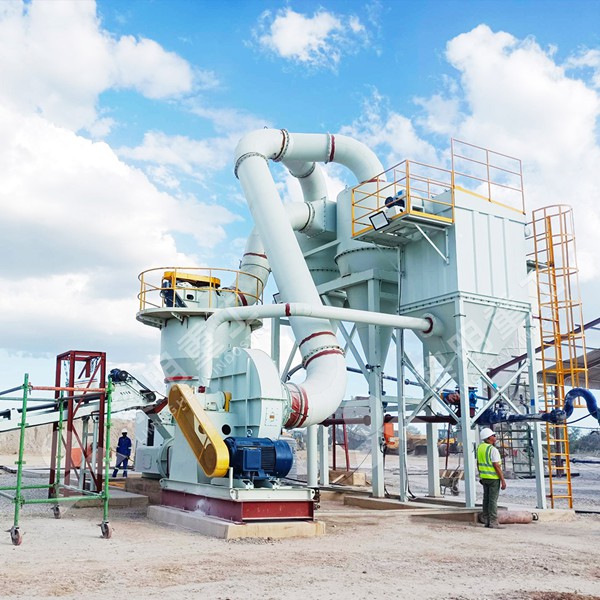
Inside the mill, the calcite is ground between the grinding rollers and the grinding ring. The centrifugal force generated by the rotation of the main shaft causes the rollers to swing outward, pressing against the ring and crushing the material. A critical component for pharmaceutical-grade fineness is the integrated high-precision classifier. The ground powder is carried by the airflow to the classifier, where oversized particles are separated and returned for regrinding. This closed-circuit system allows for precise control over the final product's particle size distribution, which can be adjusted within a range of 44μm to 613μm (approximately 325 to 30 mesh) to meet specific formulation requirements.
For pharmaceutical applications, contamination control is paramount. Our GMP-standard Raymond Mill system is equipped with a high-efficiency pulse jet dust collector. This ensures that the entire grinding process is conducted under negative pressure, preventing dust leakage into the workspace. The collected ultra-fine powder can be efficiently recovered, maximizing yield while maintaining a clean production environment that complies with stringent air quality standards. The system's electrical control cabinet allows for automated operation and monitoring of key parameters, ensuring process stability and repeatability—a cornerstone of GMP compliance.
Beyond compliance, the mill is designed for operational efficiency and reliability. Its robust construction, a hallmark of Liming Heavy Industry's manufacturing philosophy developed since 1987, ensures continuous operation with minimal downtime. The design minimizes direct metal-to-metal contact in the grinding zone, reducing wear and the associated risk of metallic contamination. Furthermore, the system's integrated drying capability is advantageous, as it can handle calcite with slight moisture, ensuring the final powder has the low humidity required for pharmaceutical stability.
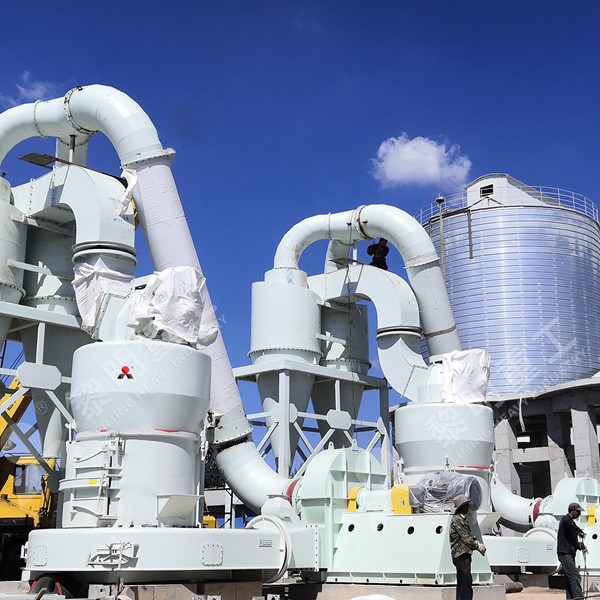
Choosing the right equipment partner is crucial. Liming Heavy Industry's commitment to "scientific research tackling key problems and technological progress" means our Raymond Mill technology is continuously refined. Our large R&D facilities and mature scientific team focus on innovations that enhance product competitiveness, particularly for high-value sectors like pharmaceuticals. We understand that producing calcite for tablets, capsules, or suspensions is not just about grinding; it's about delivering a powder with consistent bioavailability, flow properties, and chemical purity. Our GMP-standard mill is engineered with this end goal in mind.
In conclusion, the integration of proven Raymond Mill mechanics with GMP-driven design principles creates a specialized tool for the pharmaceutical industry. It provides a reliable, controllable, and clean method for transforming raw calcite into a high-quality functional powder. For companies looking to secure their supply chain for critical excipients or develop new calcium-based formulations, investing in such dedicated processing technology from an experienced manufacturer like Liming Heavy Industry is a strategic step toward ensuring quality, efficiency, and regulatory adherence.
Frequently Asked Questions (FAQ)
- What specific GMP design features are incorporated into your Raymond Mill for pharmaceutical use?
Our mill features polished, crevice-free contact surfaces for easy cleaning and sterilization, uses FDA-compliant seals and gaskets where applicable, and is constructed with materials that resist corrosion and particulate shedding. The closed-circuit design with high-efficiency filtration prevents cross-contamination and ensures a contained processing environment. - Can this mill achieve the ultra-fine particle sizes sometimes required for pharmaceutical applications?
While the standard Raymond Mill is optimal for fineness between 44μm and 613μm, for requirements into the true micron or sub-micron range (e.g., d97 ≤ 5μm), we recommend our MW Micro Powder Mill, which incorporates advanced Swedish grinding technology specifically for superfine powder processing. - How is the risk of metallic contamination from wear parts managed during calcite grinding?
The grinding mechanism is designed to minimize direct impact and abrasion. Furthermore, critical wear parts like the grinding ring and rollers can be lined with special, non-contaminating alloys or ceramics upon request. Regular maintenance schedules and inspection protocols are also provided to ensure integrity. - Is the system capable of integrated drying if our calcite feedstock has variable moisture content?
Yes. The Raymond Mill system integrates drying, grinding, and classification. By controlling the temperature of the inlet airflow, it can effectively remove surface moisture from the feed material during the grinding process, ensuring the final product meets strict humidity specifications. - What kind of technical and validation support does Liming Heavy Industry provide for pharmaceutical customers?
We offer comprehensive support, including installation qualification (IQ) and operational qualification (OQ) documentation templates, process parameter optimization assistance, and training for your personnel. Our engineering team can collaborate to ensure the installation meets your facility's specific cleanroom and layout requirements.


