Published: October 26, 2023
In the competitive landscape of construction material production, the quest for efficient, reliable, and high-quality mineral processing equipment is paramount. For manufacturers of construction material additives—such as calcite, gypsum, and limestone powders—achieving precise fineness, consistent output, and operational economy defines market success. Liming Heavy Industry, with over three decades of engineering excellence, addresses these core needs through its advanced Raymond Mill technology. Specifically engineered for non-metallic minerals, the Liming Raymond Mill offers a robust solution for grinding calcite into fine powders essential for enhancing the properties of cement, paints, sealants, and composites. This article explores the technical advantages, operational principles, and application-specific benefits of utilizing a Liming Raymond Mill in the production of construction material additives, underscoring how its design philosophy of precision, innovation, and sustainability delivers tangible value to modern production lines.
The construction industry's reliance on mineral additives is foundational. Calcite, a naturally occurring form of calcium carbonate, is a prime example. When ground to specific fineness levels, it acts as a functional filler and modifier, improving the durability, whiteness, workability, and mechanical properties of end products. The processing of such minerals, however, presents distinct challenges: the need for controlled particle size distribution, low moisture sensitivity, high throughput, and minimal energy consumption. Traditional grinding methods often struggle to balance these factors efficiently.
This is where the specialized engineering of the Liming Raymond Mill becomes a strategic asset. The mill is designed for processing non-flammable, non-explosive materials with a Mohs hardness under 7 and humidity less than 6%, making it ideally suited for calcite. Its grinding mechanism involves rollers applying centrifugal force to crush materials against a stationary ring. The resulting powder is carried by an air stream to a classifier, where oversized particles are separated and returned for further grinding, while the correctly sized product is collected. This closed-circuit system ensures high efficiency and consistent fineness, adjustable between 44μm and 613μm (approximately 325 to 30 mesh) to meet diverse additive specifications.
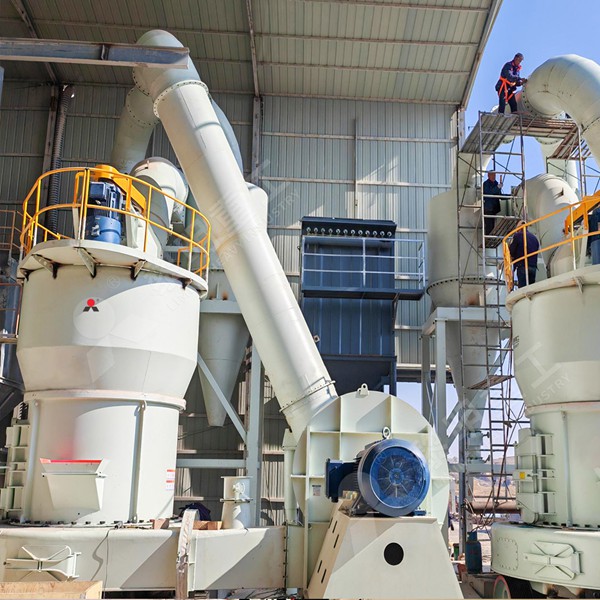
What distinguishes the Liming Raymond Mill in practical application is its integration of drying, grinding, powder selection, and conveying into a single, automated unit. For calcite with minor surface moisture, the mill's internal airflow can facilitate simultaneous drying and grinding, streamlining the process. The automatic electric control system allows for precise regulation of operational parameters, ensuring stable output quality and reducing manual intervention. Furthermore, the mill's structural design, featuring high-wear-resistant materials for grinding components, translates to lower maintenance costs and extended service life—a critical consideration for continuous production environments typical in construction material supply chains.
Liming Heavy Industry's commitment to R&D and technological progress is embedded in this equipment. The company's philosophy of "scientific research tackling key problems" is evident in the mill's evolution, focusing on improving competitiveness through energy savings and environmental compliance. The grinding system is typically equipped with efficient pulse dust collectors, ensuring that powder handling meets stringent environmental standards and maintains a clean workshop. This aligns with the growing global emphasis on sustainable manufacturing practices within the construction sector.
Beyond the standard Raymond Mill, Liming Heavy Industry's broader portfolio, including the MTW European Type Grinding Mill and the MW Micro Powder Mill, offers scalable solutions. For ultra-fine calcite additives (down to 5μm), the MW Micro Powder Mill, incorporating advanced Swedish technology, presents an excellent option. However, for the majority of construction material additive applications where fineness between 200-400 mesh is standard, the Raymond Mill remains the workhorse due to its optimal balance of capacity (1.2-4.5 T/H), energy efficiency, and operational simplicity.
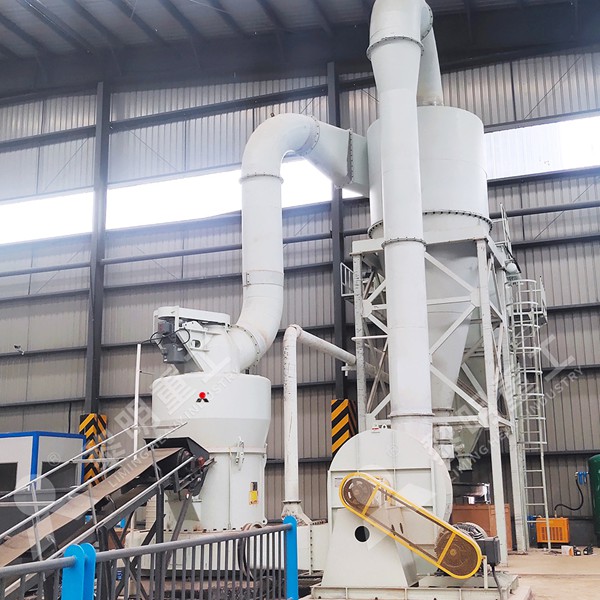
Implementing a Liming Raymond Mill for calcite processing ultimately contributes to enhancing the value chain of construction materials. Producers gain the ability to consistently supply high-purity, uniformly sized calcite powder, which improves the performance and quality consistency of their clients' final products—be it smoother concrete finishes, more opaque paints, or longer-lasting polymer composites. By investing in reliable, precision grinding technology from an established manufacturer like Liming Heavy Industry, businesses not only optimize their own production efficiency but also strengthen their position as quality-driven suppliers in the construction materials market.
Frequently Asked Questions (FAQ)
- What is the typical fineness range achievable for calcite powder using the Liming Raymond Mill?
The Liming Raymond Mill can produce calcite powder with a fineness range between 44μm (325 mesh) and 613μm (approximately 30 mesh). The fineness is adjustable via the integrated classifier to meet specific requirements for different construction material applications. - Can the mill handle calcite with some moisture content?
Yes, the mill is suitable for materials with humidity less than 6%. Its design allows for simultaneous grinding and mild drying through the circulation of hot air within the system, making it effective for processing typical commercial-grade calcite. - How does the closed-circuit grinding system benefit additive production?
The closed-circuit system, featuring a separator, ensures that only particles meeting the target fineness leave the mill. Oversized particles are continuously recirculated for further grinding, guaranteeing a consistent and uniform final product—a critical factor for quality-sensitive construction additives. - What are the key maintenance aspects for the Raymond Mill in continuous operation?
Primary maintenance focuses on wear parts like grinding rollers and rings, which are manufactured from high-durability materials. The centralized automatic lubrication system simplifies routine upkeep. Regular inspection of the grinding assembly and the wear-resistant parts is recommended to sustain optimal performance. - Is the system environmentally friendly for indoor industrial plants?
Absolutely. The standard grinding line is equipped with high-efficiency pulse dust collectors (bag filters). This creates a negative pressure, closed-loop system that effectively contains dust, ensuring the workshop environment complies with industrial health and environmental protection standards.


