Published: October 26, 2023
In the competitive landscape of heavy calcium carbonate production, achieving consistent fineness, operational efficiency, and minimal downtime is paramount. LIMING HEAVY INDUSTRY CO., LTD. addresses these critical demands with its next-generation Intelligent Raymond Mill system, integrating advanced grinding mechanics with a sophisticated remote monitoring platform. This solution represents a significant leap from traditional milling, offering producers of heavy calcium carbonate unparalleled control over the entire grinding process. By merging decades of engineering expertise in mineral processing with cutting-edge Industrial Internet of Things (IIoT) technology, the system ensures optimal particle size distribution, maximizes throughput, and enables proactive maintenance—all accessible from a centralized dashboard. This article explores the technical innovations, operational benefits, and transformative impact of this intelligent milling solution on modern heavy calcium production lines.
Building upon the proven foundation of the traditional Raymond mill, a stalwart in mineral processing for decades, LIMING's intelligent iteration incorporates a suite of enhancements. The core grinding mechanism, renowned for processing non-flammable, non-explosive materials under 7 Mohs hardness like calcium carbonate, is now augmented with high-precision sensors. These sensors continuously monitor critical parameters in real-time: grinding pressure, roller and ring wear, bearing temperature, vibration levels, and airflow within the closed-loop system. This constant data stream forms the nervous system of the intelligent mill, moving operations from a reactive to a predictive model.
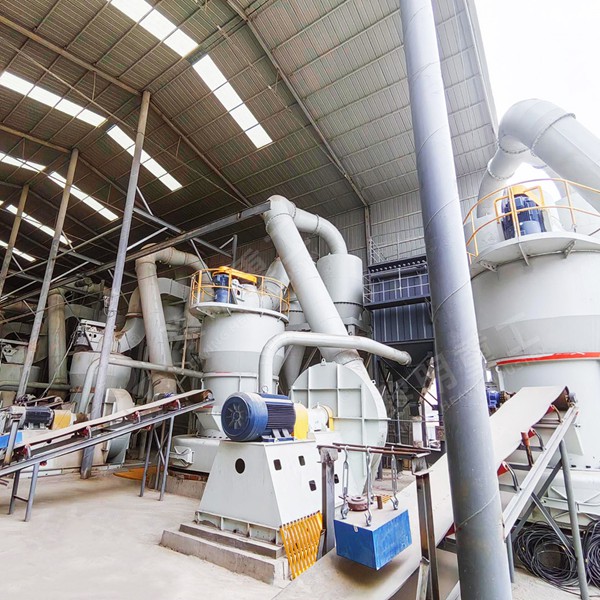
The true differentiator lies in the integrated remote monitoring and management platform. Accessible via secure web portal or dedicated application, this platform provides a holistic view of the milling operation. Production managers can track key performance indicators (KPIs) such as instantaneous output (1.2-4.5 T/H range), power consumption per ton, and target fineness (adjustable between 44μm to 613μm) from any location. The system's AI-driven analytics compare current performance against historical benchmarks, automatically flagging deviations that could indicate sub-optimal grinding conditions or impending mechanical issues. For instance, a gradual increase in motor amperage might signal abnormal feed size or early-stage gearbox wear, triggering an alert long before a catastrophic failure occurs.
For heavy calcium carbonate production, where product uniformity is critical for applications in plastics, paints, and sealants, this intelligent control is transformative. The system can automatically adjust the speed of the classifier and the feeder to maintain a precise particle size distribution, even with variations in the input material's characteristics. This ensures the final product consistently meets the stringent specifications required by downstream industries. Furthermore, the remote capability allows expert technicians from LIMING's support center to perform virtual inspections, assist with parameter optimization, and guide on-site personnel through troubleshooting procedures, drastically reducing resolution times for technical challenges.
Beyond process control, the intelligent system delivers substantial gains in sustainability and total cost of ownership. The optimized grinding process minimizes energy waste, a significant factor given the continuous operation of such mills. Predictive maintenance schedules, informed by actual equipment condition data rather than fixed time intervals, prevent unnecessary part replacements and avoid unexpected production halts. This maximizes the mill's availability and extends the lifecycle of wear parts like grinding rolls and rings. The enclosed system, coupled with efficient pulse dust collectors, ensures that the production of fine calcium carbonate powder remains an environmentally clean operation, containing particles effectively and maintaining a safe plant environment.
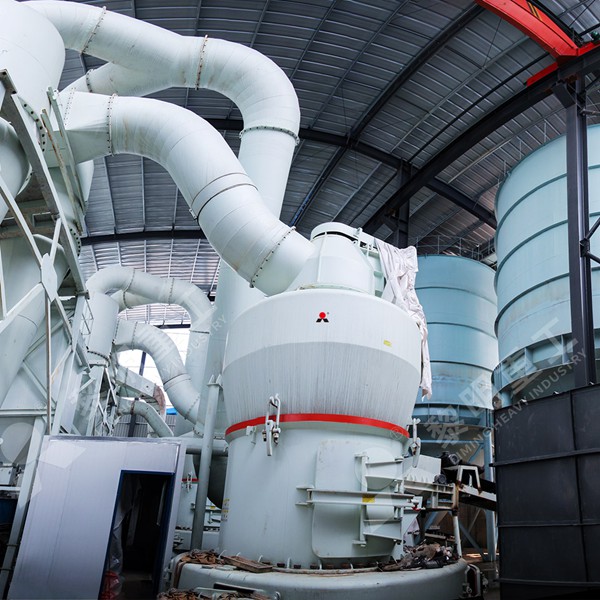
LIMING HEAVY INDUSTRY's commitment to this innovation stems from its core philosophy of "scientific research tackling key problems" and "technological progress." With over three decades of experience in manufacturing crushing and grinding equipment, the company leverages its mature R&D team to push the technological frontier. The Intelligent Raymond Mill is not merely a product but a comprehensive solution, reflecting a deep understanding of the pain points in non-metallic mineral processing. It empowers heavy calcium producers to build smarter, more resilient, and more profitable operations, setting a new standard for what is possible in modern powder making.
Frequently Asked Questions (FAQ)
- How does the remote monitoring system ensure data security and prevent unauthorized access?
The platform employs industrial-grade encryption protocols, multi-factor authentication, and virtual private network (VPN) tunnels to secure all data transmission between the mill and the cloud server. Access is role-based, with strict permissions controlling what operational data each user can view or modify. - Can this intelligent system be retrofitted to existing Raymond mills in our plant?
Yes, LIMING offers retrofit packages for many of its existing Raymond mill models. A feasibility study is conducted to assess the current machinery's condition and compatibility with the sensor suite and control hardware required for the upgrade. - What kind of connectivity is required at the plant site for the remote features to function?
The system requires a stable internet connection. It is designed to work with standard industrial broadband. Data usage is optimized, and the system can buffer data locally if connectivity is temporarily lost, syncing automatically once restored. - Does the AI system automatically change grinding parameters, or does it only provide recommendations?
The system can operate in two modes: Advisory Mode, where it provides actionable recommendations to the operator, and Fully Automated Mode, where it makes micro-adjustments to pre-approved parameters (like feeder speed) to maintain set points within defined safety limits. - How does the predictive maintenance feature work for wear parts like grinding rollers?
Vibration analysis, acoustic monitoring, and power trend data are correlated to model the wear progression of grinding components. The system alerts operators when wear reaches a threshold that suggests replacement or servicing should be planned, allowing for orderly shutdowns and parts procurement.


