Published on: October 26, 2023
For newcomers to the heavy calcium carbonate processing industry, selecting the right grinding equipment can be daunting. This article provides a comprehensive guide to user-friendly Raymond mill technology from LIMING HEAVY INDUSTRY, specifically designed for beginners seeking reliable, efficient, and straightforward operation for producing heavy calcium powder. We will explore the core principles, operational advantages, and practical considerations that make modern Raymond mills an ideal starting point for new ventures.
Founded in 1987, LIMING HEAVY INDUSTRY CO., LTD. has built its reputation over three decades on precision manufacturing and technological innovation in crushing and grinding equipment. With a sprawling manufacturing base and a dedicated R&D philosophy centered on improving product competitiveness, the company has evolved into a leader in the machinery manufacturing sector. This extensive experience is directly channeled into designing equipment that balances advanced performance with operational simplicity, a crucial combination for beginners in mineral processing.
When processing heavy calcium carbonate—a key material in plastics, paints, sealants, and paper—the fineness, uniformity, and whiteness of the final powder are paramount. The traditional Raymond mill, a cornerstone of LIMING's product line, is exceptionally well-suited for this application. Its design is proven, robust, and, most importantly for beginners, intuitive to learn and manage. The machine operates on a relatively simple principle: materials are fed into the grinding chamber where rotating rollers exert pressure on a rotating ring, crushing the material. The ground powder is then carried by an air stream to a classifier, which separates fine product from coarse particles that are returned for further grinding.
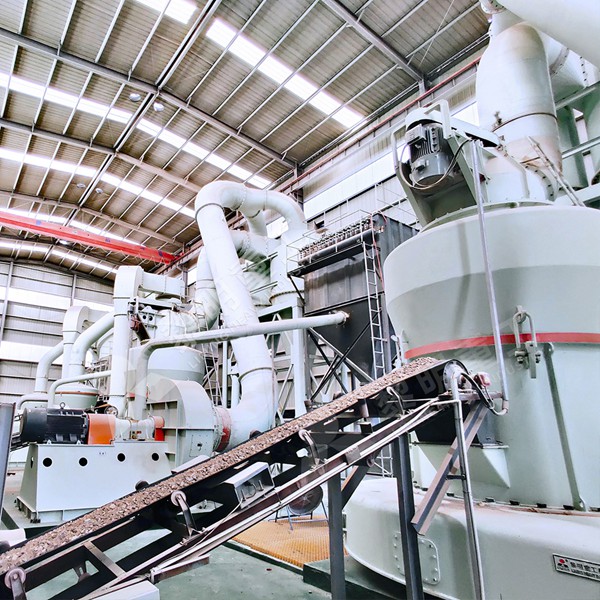
For a beginner, the advantages of choosing a modern Raymond mill from a reputable manufacturer like LIMING are numerous. First is ease of operation. Contemporary models feature automated electric control systems that integrate drying, grinding, powder selection, and conveying. This means less manual intervention is required once the system parameters are set. Operators can monitor key metrics like feed rate, grinding pressure, and fineness from a central panel, reducing the learning curve significantly. Secondly, the machine offers remarkable versatility and forgiveness. It is suitable for processing non-flammable, non-explosive materials with a Mohs hardness under 7 and humidity less than 6%, which perfectly encompasses most heavy calcium feedstocks. The output fineness is adjustable within a wide range (typically 44μm to 613μm), allowing beginners to experiment and produce different grades for various market needs without changing equipment.
Furthermore, LIMING's commitment to "scientific research tackling key problems" translates into features that enhance stability and reduce maintenance headaches for new users. The grinding rollers and rings are made from wear-resistant materials, extending service life and minimizing unexpected downtime. The system is designed as a closed-circuit, negative-pressure loop, which contains dust effectively—a critical feature for maintaining a clean, safe, and environmentally compliant workspace. This integrated pulse dust collector system means beginners can focus on production rather than complex environmental management from day one.
While the classic Raymond mill is an excellent entry-level choice, LIMING's technological progression offers a natural upgrade path for growing operations. The MTW European Type Grinding Mill represents the evolution of the traditional Raymond mill. It incorporates patented technologies that enhance productivity, energy efficiency, and environmental performance. For a beginner who anticipates scaling up, understanding this pathway is valuable. The MTW mill offers higher capacity, a more advanced curved blade shovel for feeding, and an efficient internal powder separator, all while maintaining a core operational logic familiar to Raymond mill users. It is specifically committed to large-scale non-metallic mineral powder making, including premium heavy calcium products.
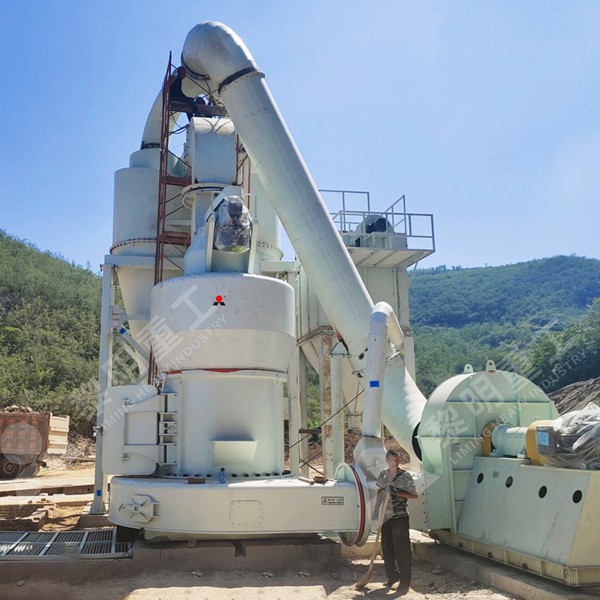
Starting your heavy calcium processing journey requires more than just a machine; it requires a system and support. A typical grinding line from LIMING includes not just the Raymond mill, but also a jaw crusher for primary size reduction, a vibrating feeder for consistent material flow, pipes, a powder collector, and centralized electric control cabinets. For a beginner, partnering with a manufacturer that provides this integrated system ensures compatibility and simplifies the installation and commissioning process. The working principle—from crushing to feeding, grinding, classifying, and collecting—becomes a seamless, automated workflow that is easier to supervise and optimize.
In conclusion, entering the heavy calcium market does not require overly complex or intimidating technology. The Raymond mill, particularly from an experienced manufacturer like LIMING HEAVY INDUSTRY, offers a perfect blend of simplicity, reliability, and capability. Its straightforward operation, coupled with modern automated controls and robust construction, empowers beginners to start production confidently, achieve consistent product quality, and build a solid foundation for future growth in the non-metallic mineral industry.
Frequently Asked Questions (FAQ)
- What is the typical feed size for a Raymond mill when processing heavy calcium?
The recommended input size for a standard Raymond mill is generally between 15-25mm. The material should first be crushed by a primary crusher, like a jaw crusher, to achieve this size for optimal grinding efficiency and to protect the grinding rollers. - How do I adjust the fineness of the final heavy calcium powder?
The fineness is primarily adjusted by controlling the speed of the analyzer (classifier) within the mill. A faster speed allows only finer particles to pass, resulting in a finer product. This adjustment is typically made easily via the machine's control system. - Is the Raymond mill system environmentally friendly for a new plant?
Yes. Modern Raymond mills from LIMING are designed as closed-circuit, negative-pressure systems equipped with efficient pulse jet dust collectors. This design effectively contains dust, ensuring the operation meets standard environmental protection requirements. - Can one operator manage the Raymond mill grinding line?
Absolutely. With the integrated automatic electric control system, one operator can monitor and control the key parameters of the entire process—from feeding to grinding and collection—from a central console, making it suitable for beginners and operations with limited staff. - What is the main maintenance focus for a Raymond mill in heavy calcium service?
Regular inspection and replacement of wear parts like grinding rollers and rings are essential. Also, ensuring the lubricating system functions properly and keeping the pneumatic system and dust collector filters clean will ensure stable, long-term operation with minimal unplanned stops.


