Published: October 26, 2023
In the demanding field of heavy calcium carbonate processing, achieving consistent, high-quality powder output while ensuring absolute operational safety and equipment longevity is paramount. Liming Heavy Industry addresses this critical need with its advanced, high-safety Raymond Mill, specifically engineered with robust overload protection systems. This mill combines decades of grinding expertise with modern automation and safety-centric design, offering a reliable solution for producing fine powders between 613μm and 44μm. It is built to handle the abrasive nature of heavy calcium continuously, preventing costly downtime and protecting both the investment and personnel through intelligent monitoring and automatic response mechanisms.
Liming Heavy Industry Co., Ltd., founded in 1987, has established itself as a leader in the manufacturing of large and medium-sized crushing and grinding equipment. With a steadfast commitment to scientific research, precision manufacturing, and innovation, the company operates from extensive facilities in Zhengzhou's HI-TECH Industry Development Zone and Shangjie Industry Park. This foundation of expertise is directly applied to the development of specialized milling solutions like the high-safety Raymond Mill, where the core philosophy revolves around enhancing product competitiveness through technological advancement and rigorous safety protocols.
The processing of heavy calcium carbonate presents unique challenges, including material hardness, wear on grinding components, and the risk of equipment overload due to feed inconsistencies or foreign objects. Traditional mills might falter under such strain, leading to sudden breakdowns, unsafe conditions, and compromised product fineness. Liming's solution integrates overload protection directly into the mill's core operation. The system continuously monitors critical parameters such as motor amperage, grinding roller pressure, and transmission torque. Upon detecting an anomaly that suggests an impending overload—such as an oversized feed or a jam—the system triggers an immediate, automated response.
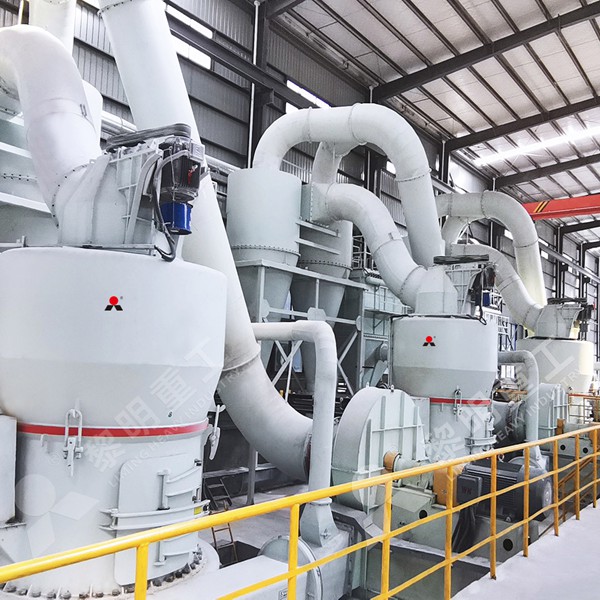
This response is multi-faceted. First, the feeding system can be automatically adjusted or temporarily halted to reduce the load on the grinding chamber. Simultaneously, the grinding rollers can disengage or relieve pressure, preventing metal-to-metal contact and excessive wear. The mill's drive system is protected by specially designed couplings and electrical protections that physically and electronically decouple components before damage occurs. This is not merely an emergency stop; it is a coordinated, intelligent intervention that stabilizes the process, protects the mechanical integrity of the mill's ring, rollers, shafts, and gears, and allows for a swift and safe return to normal operation once the cause is addressed.
Beyond the overload protection, the mill's design inherently supports safe and efficient heavy calcium processing. Its suitability for non-flammable, non-explosive materials with hardness under 7 Mohs and humidity less than 6% makes it ideal for most heavy calcium feedstocks. The closed-circuit grinding system, with an integrated high-efficiency separator and pulse dust collector, ensures a clean working environment by minimizing dust emissions, which is a crucial aspect of operational safety and environmental compliance. The system's stability translates to a consistent product fineness, which is critical for heavy calcium used in plastics, paints, sealants, and paper coatings.
Operational safety is further enhanced by features such as vibration sensors and temperature monitors on key bearing units. Any unusual vibration or overheating, which could indicate misalignment or lubrication failure, is flagged by the control system, allowing for predictive maintenance before a catastrophic failure happens. This proactive approach to equipment health is a cornerstone of Liming's design philosophy, moving from reactive repairs to intelligent, scheduled maintenance.
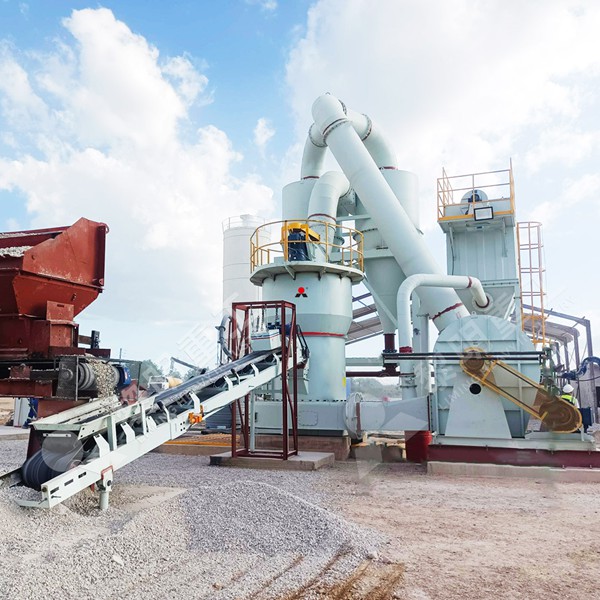
For plant managers and process engineers, the value proposition is clear: maximized uptime, reduced risk of unexpected and hazardous failures, lower long-term maintenance costs, and a guaranteed consistent product quality. The high-safety Raymond Mill with overload protection is more than just a grinder; it is a resilient and intelligent production partner. It embodies Liming Heavy Industry's dedication to merging robust mechanical engineering with smart, automated controls, providing a future-proof asset for any serious heavy calcium processing operation focused on safety, reliability, and excellence.
Frequently Asked Questions (FAQ)
- How does the overload protection system differentiate between a temporary surge and a genuine overload condition?
The system uses advanced algorithms that analyze the duration, intensity, and rate of change of the load parameters. Short, minor spikes are filtered out, while sustained or rapidly increasing loads beyond set safety thresholds trigger the protection sequence, preventing unnecessary shutdowns while ensuring protection. - Can this Raymond Mill handle other materials besides heavy calcium carbonate?
Absolutely. While optimized for heavy calcium, it is suitable for grinding any non-flammable, non-explosive material with a Mohs hardness below 7, such as gypsum, talc, calcite, limestone, and various other non-metallic minerals. - What happens to the material in the grinding chamber when an overload event occurs and feeding stops?
The protection sequence includes a controlled grinding cycle to clear the chamber of residual material safely. The rollers may continue to rotate at a lower pressure or speed to process and discharge the remaining feed, preventing a hard start-up situation. - Is the overload protection system purely mechanical, electronic, or a combination?
It is a fully integrated electro-mechanical system. Electronic sensors (for amperage, pressure, vibration) provide real-time data to the PLC, which then commands mechanical actuators (like feeder gates, hydraulic pressure releases, and clutch systems) to execute the protective actions. - How does this mill's safety focus impact its energy consumption compared to standard models?
By preventing inefficient overloaded states and ensuring smooth operation within optimal parameters, the mill often operates more efficiently. The intelligent system avoids the high energy waste associated with grinding in a jammed or excessively loaded condition, contributing to overall energy savings.


