Published: October 26, 2023
In the demanding world of industrial mineral processing, versatility and efficiency are paramount. Liming Heavy Industry Co., Ltd. addresses this need with its advanced multi-functional Raymond mill technology, engineered to excel in the grinding of both heavy calcium carbonate and limestone. This article explores the technical sophistication, operational principles, and distinct advantages of our grinding solutions, which are designed to deliver high productivity, precise fineness control, and exceptional energy efficiency for a wide range of non-metallic mineral applications.
For over three decades, Liming Heavy Industry has stood at the forefront of crushing and grinding equipment manufacturing. Our commitment to scientific research, precision engineering, and technological innovation has solidified our position as a leader in both domestic and international markets. With sprawling facilities in Zhengzhou's HI-TECH Industry Development Zone and Shangjie Industry Park, our integrated approach—encompassing R&D, manufacturing, and sales—ensures that every piece of equipment, including our flagship Raymond mills, is built to the highest standards of performance and reliability.
The core challenge in processing minerals like heavy calcium carbonate and limestone lies in their similar yet distinct physical properties. Both require fine grinding, but optimal efficiency often demands equipment capable of handling slight variations in hardness, moisture, and desired fineness. Traditional single-purpose mills can fall short. Our multi-functional Raymond mill, particularly exemplified by the MTW European Type Grinding Mill, is engineered as a comprehensive solution. It integrates the robustness required for consistent performance with the flexibility to adjust to specific material characteristics and output requirements.
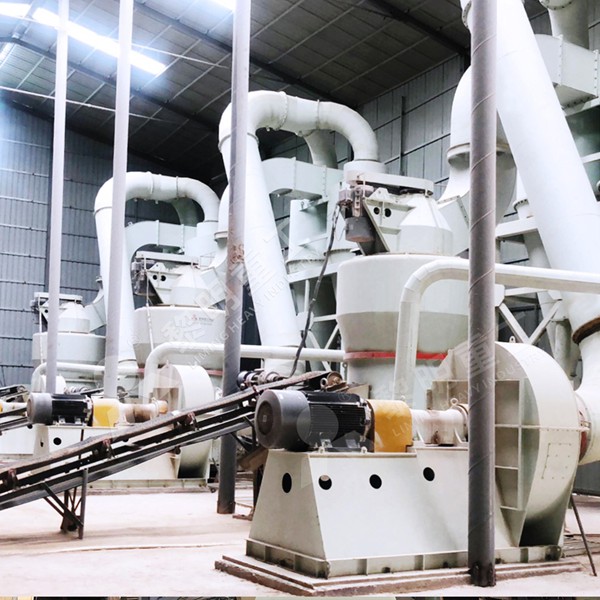
The operational superiority of our mill stems from its sophisticated working principle. The system is a closed-circuit, negative pressure air-swept grinding loop. Bulk material is pre-crushed and fed uniformly into the grinding chamber. Here, the material is ground between the grinding rollers and the ring. The ground powder is carried upward by the airflow to the integrated classifier. Particles meeting the target fineness pass through and are collected as final product, while coarser particles are rejected back to the grinding zone for further processing. This internal recycling mechanism ensures maximum grinding efficiency and consistent product quality. The entire system is equipped with a high-efficiency pulse dust collector, guaranteeing that operations are not only productive but also environmentally compliant.
When specifically applied to heavy calcium carbonate production, our Raymond mill demonstrates exceptional capability in achieving the high brightness and fine particle size distribution critical for applications in plastics, paints, and coatings. The precise control over grinding force and classifier speed allows operators to target specific micron ranges efficiently, optimizing yield for premium-grade products. For limestone grinding, especially in large-scale applications like power plant flue gas desulfurization (FGD), the mill's high capacity and ability to handle slightly moist feedstocks are invaluable. Its design ensures a reliable supply of finely ground limestone slurry, a key reagent in the desulfurization process, contributing to cleaner emissions.
Beyond the core grinding mechanism, the mill's design incorporates numerous features for enhanced performance. The use of wear-resistant materials for grinding components extends service life and reduces maintenance downtime. The automatic electric control system allows for centralized monitoring and adjustment of key parameters, facilitating stable operation and easy fineness modulation. Furthermore, the mill's structural and aerodynamic design prioritizes energy savings, significantly reducing power consumption per ton of output compared to older generation mills. This focus on sustainability is a cornerstone of Liming Heavy Industry's philosophy, aligning advanced industrial performance with responsible resource use.
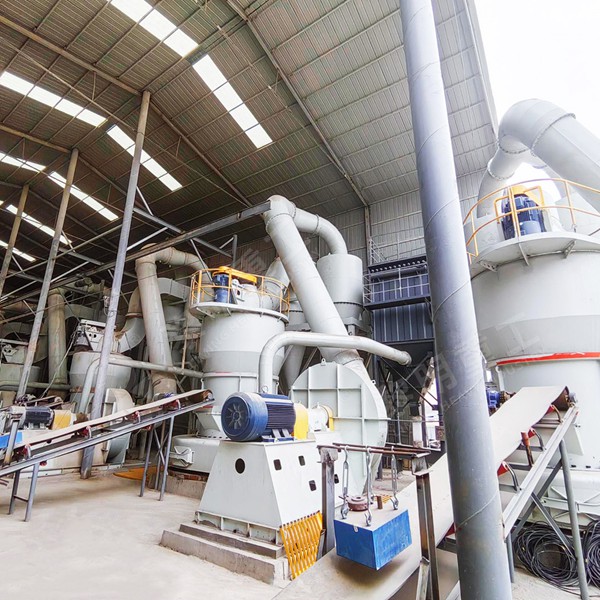
Choosing the right grinding equipment is a strategic decision that impacts long-term operational costs and product quality. Liming Heavy Industry's multi-functional Raymond mill represents a convergence of proven Raymond mill principles with modern technological upgrades. It eliminates the need for multiple, dedicated grinding lines for different calcium-based minerals, offering a streamlined, cost-effective, and high-performance solution. Backed by our extensive industry experience and dedicated support network, this equipment is engineered to be a dependable asset for producers seeking to enhance their capabilities in the competitive markets of heavy calcium carbonate and limestone powder.
Frequently Asked Questions (FAQs)
- What is the primary difference between grinding heavy calcium carbonate and limestone in this mill?
The primary adjustments involve feed rate, grinding pressure, and classifier speed to account for differences in hardness and the target fineness profile. The mill's flexible control system allows easy optimization for each material without mechanical changes. - What is the typical fineness range achievable for heavy calcium carbonate?
Our multi-functional Raymond mill can consistently produce heavy calcium carbonate powder in a fineness range from 44 microns (325 mesh) up to superfine levels below 10 microns, suitable for various industrial applications. - How does the closed-circuit system contribute to energy efficiency?
The closed-loop, negative pressure system recycles the conveying air and internally recirculates oversized particles for regrinding. This minimizes heat loss, reduces fan power consumption, and ensures no powder waste, leading to lower overall energy use per ton. - Can the mill handle materials with some moisture content?
Yes, the system integrates a drying function. The hot air introduced into the grinding chamber can effectively handle materials with moisture content typically up to 6%, simultaneously drying and grinding them. - What kind of after-sales support does Liming Heavy Industry provide?
We provide comprehensive support including detailed installation guidance, operational training, a supply of genuine wear parts, and access to our technical service team for troubleshooting and optimization advice throughout the equipment's lifecycle.


