Published: October 26, 2023
Modified kaolin, a surface-treated form of natural kaolin clay, has become a critical raw material in industries ranging from ceramics and paper to plastics and paints. Its compatibility with grinding equipment directly impacts production efficiency, product quality, and operational cost. At Liming Heavy Industry Co., Ltd., we have spent over three decades refining milling technologies to address the unique challenges posed by modified kaolin processing. This article provides a comprehensive summary of how our flagship milling systems—LM Vertical Roller Mill, Raymond Mill, MTW European Type Trapezium Mill, MW Micro Powder Mill, and Ball Mill—achieve optimal compatibility with modified kaolin. Key factors include feed size control, moisture management, abrasion resistance, and particle size distribution. By leveraging advanced scientific research and field-proven engineering, Liming ensures that modified kaolin is milled with minimal downtime, consistent fineness, and adherence to environmental standards. This guide also examines the working principles and applications of each mill type, offering practical insights for plant operators and engineers seeking to maximize throughput while preserving the surface properties of modified kaolin.
Understanding Modified Kaolin and Its Processing Challenges
Modified kaolin refers to kaolin that has undergone chemical or physical treatment to enhance properties like hydrophobicity, dispersibility, or brightness. Common modifications include calcination, silane coating, or organic acid treatment. These alterations, while beneficial for end-use performance, introduce processing difficulties. The modified surface can cause agglomeration, increase adhesion to mill components, and generate higher dust levels. Moreover, moisture content, often below 6% in pre-dried kaolin, must be tightly controlled to prevent caking. Liming’s equipment is designed to tackle these issues head-on. For example, our LM Vertical Roller Mill integrates drying, grinding, and classifying in one unit, making it ideal for kaolin with residual moisture. Meanwhile, the Raymond Mill and MTW Mill feature robust construction to withstand the abrasive nature of treated kaolin. Below, we detail how each machine achieves modified kaolin compatibility.
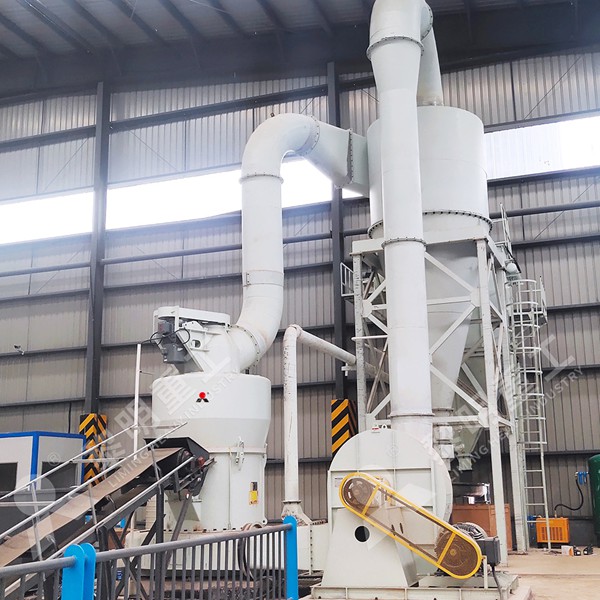
LM Vertical Roller Mill: Integrated Drying and Grinding
The LM Vertical Roller Mill is a cornerstone for large-scale modified kaolin processing. With a capacity range of 10–400 T/H and an input size of 30–55 mm, it efficiently handles bulk kaolin after primary crushing. The mill’s new milling device and automatic electric control system allow for precise adjustment of grinding pressure and classifier speed, ensuring a fineness typically between 200 and 400 mesh. For modified kaolin, the integrated drying function is a key advantage. Hot air introduced into the mill evaporates surface moisture, preventing agglomeration. The vertical design also minimizes material retention, reducing the risk of modified coatings degrading due to prolonged heat exposure. Applications span cement, metallurgy, and non-metallic minerals, with a focus on kaolin for ceramic and paper fillers. Liming recommends this mill for plants processing over 50 T/H of modified kaolin, where energy efficiency and low maintenance are priorities.
Raymond Mill: Versatility for Small-to-Medium Operations
For operations requiring 1.2–4.5 T/H capacity, the Raymond Mill remains a reliable choice. It processes modified kaolin with a feed size of 15–25 mm and delivers a fineness between 613 μm and 44 μm. The mill’s grinding roller and ring are made from high-manganese steel, offering resistance to the abrasive silane-treated kaolin. However, modified kaolin’s reduced moisture content (often below 6%) works in the Raymond Mill’s favor, as its air-swept system handles dry materials efficiently. We have observed that organic-coated kaolin particles flow smoothly through the milling chamber when the feed rate is stabilized. Regular inspection of the grinding ring is advised, as surface coatings can build up over extended runs. Liming provides optional ceramic-lined components for customers processing highly corrosive modified kaolin. This mill excels in building materials, chemicals, and power plant desulfurization applications where modified kaolin is used as a filler or additive.
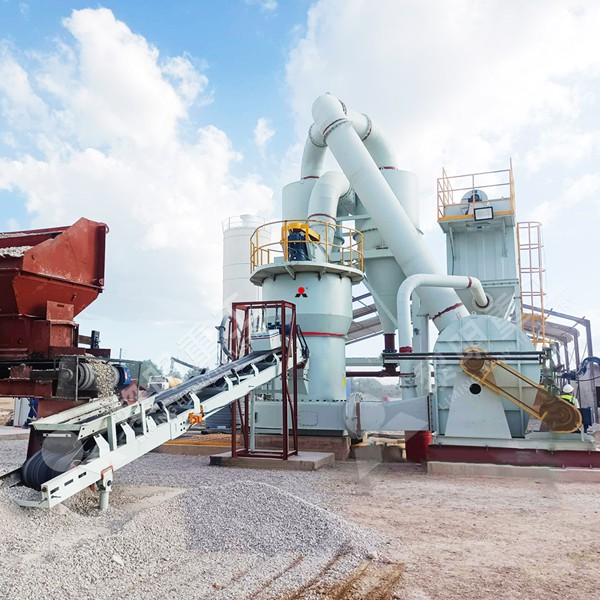
MTW European Type Trapezium Mill: High Productivity with Patented Technology
The MTW European Type Trapezium Mill is the upgrade of traditional Raymond and pendulum mills, offering a capacity of 3–55 T/H and input size of 30–50 mm. Its trapezium-shaped rollers and ring enhance grinding efficiency for modified kaolin by increasing the contact area. Patented technology includes a self-lubricating system and a bevel gear transmission, which reduce vibration and noise. For modified kaolin, the mill’s classifier can be set to produce particles as fine as 325 mesh, ideal for paint and plastic industries. The closed-loop airflow system, combined with a pulse dust collector, meets stringent environmental standards—a critical factor when processing chemically treated kaolin that may release volatile compounds. Liming has field-tested this mill with calcium carbonate and gypsum, but its design principles apply directly to kaolin. The variable-frequency feeder ensures uniform feeding, preventing surges that could clog the mill. This machine is recommended for medium-scale plants prioritizing energy saving and consistent product quality.
MW Micro Powder Mill: Superfine Grinding for Advanced Applications
When the target is ultra-fine modified kaolin (d97 ≤ 5 μm, 325–3250 mesh), the MW Micro Powder Mill delivers unmatched performance. With a capacity of 0.5–25 T/H and input size of 10–20 mm, it uses medium-speed grinding technology inspired by Swedish advancements. The mill’s dozens of rollers rotate against a raceway ring, crushing kaolin into micro-fine powder. Modified kaolin benefits from the mill’s precise control over residence time; the classifier ensures only particles below the set size exit. For surface-coated kaolin, the gentle grinding action preserves the organic layer, which is crucial for applications like high-end coatings and cosmetics. Liming includes a pulse precipitator to capture fines, reducing waste. However, operators should monitor for heat buildup during extended runs, as modified kaolin’s lower thermal conductivity can cause roller wear. This mill is ideal for niche industries requiring superfine powder, such as specialty ceramics or advanced plastics.
Ball Mill: Traditional Reliability for Wet or Dry Grinding
The Ball Mill, with a capacity of 0.65–50 T/H and input size ≤ 25 mm, remains a workhorse for modified kaolin, particularly in wet grinding applications. Its horizontal rotating drum uses steel balls to impact and grind material. For dry kaolin, the mill’s ladder and ripple liners prevent sticking, while wet processing with water or organic solvents helps disperse modified kaolin uniformly. The ball mill is suitable for cement, coal, and construction material sectors, where modified kaolin serves as a pozzolanic additive. Liming’s design includes a quill shaft for uniform feed and a discharge board for controlled output. The main challenge with modified kaolin is ball coating; regular ball replacement and liner inspection are necessary. Despite its simplicity, the ball mill offers robust performance for operations that do not require ultra-fine fineness. It is best paired with a classifier circuit for closed-loop grinding.
Conclusion and Recommendations
Modified kaolin compatibility with milling equipment hinges on selecting the right machine for the desired output. Liming Heavy Industry’s portfolio—from the high-capacity LM Vertical Mill to the precision MW Micro Powder Mill—addresses all scenarios. For large-scale operations, the LM mill’s integrated drying is unmatched. For small batches, the Raymond Mill offers simplicity. The MTW mill balances productivity and environmental compliance, while the MW mill excels at superfine work. The ball mill remains a cost-effective option for basic applications. We encourage operators to consider feed moisture, target fineness, and the specific modification type (e.g., silane vs. calcined) when choosing equipment. Liming’s scientific research team continues to innovate, ensuring our mills evolve with industry demands. For further guidance, consult our engineering department for a customized solution.
Frequently Asked Questions
Q1: Can modified kaolin with high moisture content be processed in the LM Vertical Roller Mill?
A1: Yes, the LM Vertical Roller Mill integrates a drying function that can handle moisture up to 15–20% in some configurations, though pre-drying below 6% is recommended for optimal energy efficiency. The hot air system evaporates moisture during grinding, preventing agglomeration.
Q2: What is the maximum fineness achievable for modified kaolin using the MW Micro Powder Mill?
A2: The MW Micro Powder Mill can achieve a fineness of d97 ≤ 5 μm, equivalent to approximately 3250 mesh. Adjustment is possible via the classifier speed, making it suitable for ultra-fine applications in paints and coatings.
Q3: How does the Raymond Mill handle silane-coated kaolin without degrading the coating?
A3: The Raymond Mill operates at relatively low temperatures (typically below 100°C), which preserves silane coatings. The grinding action is compressive rather than impact-based, minimizing thermal stress. Regular cleaning of the grinding ring prevents coating buildup.
Q4: Is the MTW European Type Trapezium Mill suitable for wet modified kaolin?
A4: The MTW mill is designed primarily for dry grinding. For wet modified kaolin, a preliminary drying step is necessary to avoid clogging the classifier. For wet processing, the Ball Mill is a better alternative.
Q5: What maintenance is specific to Ball Mills when grinding modified kaolin?
A5: Ball mills require periodic inspection of steel balls for wear and replacement, as modified kaolin can cause ball coating. Liner inspection every 6–12 months is recommended. For wet grinding, ensure the slurry viscosity is controlled to avoid overloading the mill motor.


