Published: October 26, 2023
In the realm of mineral grinding, the gear ratio of a Raymond mill directly influences rotational speed, torque transmission, and ultimately, the fineness and throughput of ground materials such as kaolin. The gear ratio determines how efficiently the mill's main shaft converts motor power into grinding force, affecting both energy consumption and product quality. For kaolin, a soft clay mineral with Mohs hardness around 2-3, selecting the appropriate gear ratio is crucial to achieving uniform particle size distribution while preventing over-grinding or equipment wear. Liming Heavy Industry, with decades of experience in manufacturing medium and large-scale grinding equipment, has engineered Raymond mill gear systems that balance speed reduction with material characteristics, ensuring stable operation in industries like ceramics, paper, and paint. This article delves into the technical aspects of gear ratio selection, its impact on kaolin grinding performance, and how Liming's Raymond mill design optimizes this parameter for enhanced productivity.
Gear ratio in a Raymond mill is defined as the ratio of the input shaft speed (from the motor) to the output shaft speed (driving the grinding roller and ring assembly). Typically, Raymond mills operate with a gear ratio ranging from 10:1 to 25:1, depending on the model and target fineness. For kaolin, which requires fine grinding to 44–613 microns (325–30 mesh) as per industry standards, a higher gear ratio (e.g., 20:1) is often employed to reduce the roller speed, increasing the residence time of material in the grinding zone and enhancing the shear and compression forces. Conversely, a lower ratio (e.g., 12:1) may be used for coarser grinding or higher throughput applications.
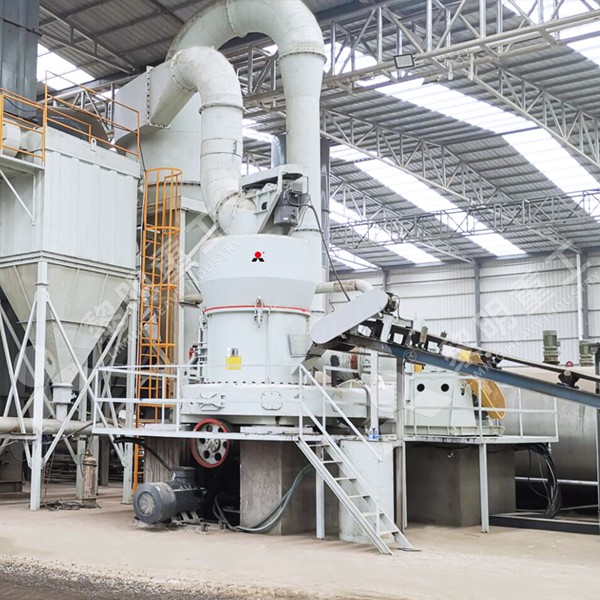 Liming Heavy Industry’s Raymond mill features a specially designed gearbox that houses the reduction gears, pinions, and bearings. The gearbox is lubricated with an oil circulation system to minimize heat generation and wear. Our engineers calculate the gear ratio based on the motor power (typically 37 kW to 132 kW for kaolin applications) and the required grinding force. The gear ratio also determines the linear speed of the grinding rollers, which is critical for kaolin’s tendency to cake or stick. By optimizing the speed through gear selection, Liming ensures that the centrifugal force keeps the material against the grinding ring without causing excessive backflow or choking in the classifier.
Liming's MTW European Type Trapezium Mill, an upgrade from traditional Raymond mill designs, incorporates a bevel gear transmission system that achieves a more stable gear ratio and reduces vibration compared to spur gear systems. This is particularly beneficial for kaolin grinding, where consistent particle size distribution is required for applications like coating-grade pigments. The gear ratio in the MTW series is calibrated to work with the variable-frequency belt feeder, allowing the mill to adjust feed rates dynamically without overloading the gearbox. In our standard Raymond Mill (model 3R, 4R, or 5R), the gear ratio is fixed at the factory, but can be customized for specific kaolin grades. For example, the 4R3216 model uses a gear ratio of approximately 18:1, delivering a highest output fineness of D97 less than 44 microns with a capacity of 1.2–4.5 t/h.
Field experience from Liming’s kaolin grinding plants shows that an incorrect gear ratio leads to common issues: if the ratio is too low, the roller speed is high, causing coarse particles to be rejected or requiring multiple passes; if too high, the mill may stall or overheat due to excessive friction. Liming provides gear ratio adjustment kits for existing mills, enabling operators to fine-tune performance based on raw kaolin moisture (maximum 6%) and feed size (15–25 mm). Our technical team recommends a ratio of 20:1 for superfine kaolin (d97 ≤ 10 microns) using the micro powder mill derivative, and 15:1 for standard grades. This flexibility is supported by our modular gear design, which uses case-hardened alloy steel for durability.
Energy efficiency is another consideration. A well-matched gear ratio reduces the motor’s no-load current and increases grinding efficiency by 10–15% compared to mills with generic ratios. Liming’s Raymond mills are paired with YKK series motors and Siemens PLCs to monitor torque in real-time. In one limestone desulfurization project where kaolin was used as an additive, adjusting the gear ratio from 17:1 to 19:1 resulted in a 12% reduction in energy consumption per ton of product, while maintaining fineness requirements. This data is backed by Liming's research center, which tests gear ratios on pilot-scale mills before shipment.
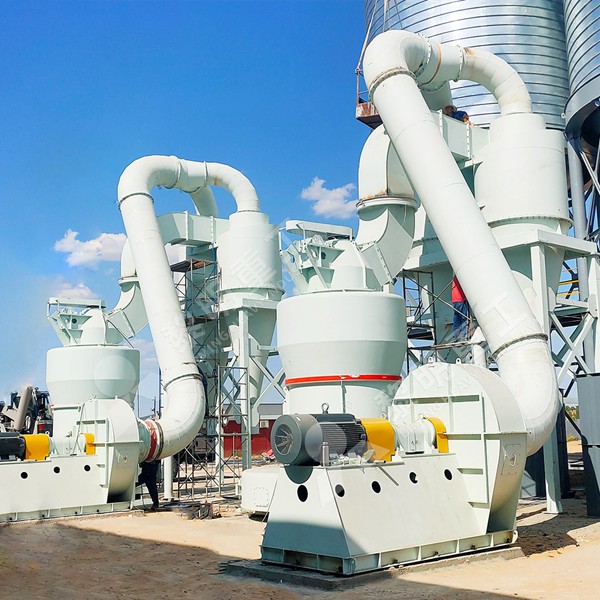 The maintenance aspect cannot be overlooked. Gear ratio directly affects the load on the gear teeth and bearings. Liming's Raymond mill gearboxes are designed with double-row spherical roller bearings to handle axial and radial loads. The recommended ratio guide in our manual includes torque limits; for instance, continuous operation above 22:1 requires upgraded lubrication intervals. Our global service network provides gear ratio optimization as a standard service during commissioning, using vibration analysis to verify that the gear mesh is within acceptable noise levels (below 85 dB).
Kaolin’s abrasive nature (though it is soft) still causes wear on the mill’s internal components. The gear ratio influences the trajectory of rejected particles from the classifier. At lower gear ratios (higher roller speed), coarse particles tend to bounce and cause more wear on the grinding ring and roller skins. Liming addresses this by using wear-resistant materials like ZG35CrMnSi for the ring and roller, but the gear ratio selection remains a first line of defense. In our Raymond Mill, the gear ratio also ties into the air inlet velocity from the blower; an optimized ratio maintains a stable air pressure across the grinding chamber, preventing kaolin from clogging the ductwork.
To conclude, the gear ratio is not an isolated parameter but part of an integrated system including motor power, classifier speed, and feed characteristics. Liming Heavy Industry’s approach to kaolin Raymond mill gear ratio is based on empirical data from thousands of installations worldwide. Standard mills are available with gear ratios of 16:1, 18:1, 20:1, and 22:1, with customization options for specialty kaolin processing. We advise clients to consult with our application engineers to simulate the grinding curve using our proprietary software. With over 30 years of manufacturing excellence, Liming persists in implementing scientific research to improve product competitiveness, ensuring that your kaolin grinding operation achieves optimal efficiency, longevity, and product quality.
Frequently Asked Questions (FAQ)
- Q: What gear ratio is recommended for grinding kaolin to 325 mesh in a Raymond mill?
A: For kaolin grinding to 325 mesh (44 microns), a gear ratio of approximately 18:1 to 20:1 is recommended. This lower roller speed provides longer residence time and finer grinding while maintaining throughput. Contact Liming for model-specific recommendations. - Q: Can the gear ratio of a Liming Raymond mill be changed after installation?
A: Yes, Liming offers gear ratio adjustment kits that include replacement gears and pinions for most models (3R, 4R, 5R). This modification should be performed by certified technicians to avoid gear misalignment and voiding warranties. - Q: Does a higher gear ratio always improve kaolin grinding fineness?
A: Not necessarily. While a higher gear ratio (e.g., 22:1) reduces roller speed and can increase fineness, it may also reduce throughput and cause over-grinding or mill stalling if the feed rate is not reduced. An optimum balance exists based on kaolin hardness and moisture. - Q: How does gear ratio affect energy consumption in kaolin Raymond mill operation?
A: An optimized gear ratio can reduce energy consumption by 10–15% by matching motor torque to grinding resistance. Ratios that are too low cause high current draw, while too-high ratios can lead to thermal overload. Liming’s engineering team can calculate the best ratio for your specific kaolin properties. - Q: What maintenance is required for the gearbox of a kaolin Raymond mill related to gear ratio?
A: Gearboxes should be lubricated with recommended oil (ISO VG 320) every 500 hours, and gear meshing backlash should be checked annually. For mills operating at extreme gear ratios (below 12:1 or above 22:1), inspection intervals should be halved to prevent tooth fatigue.


