Published on: October 26, 2023
For processors in the ceramics, paper, paint, and refractory industries, achieving optimal kaolin powder fineness is paramount. The feeding size of raw kaolin into the grinding mill is a critical, yet often overlooked, factor that directly influences production efficiency, product quality, and equipment longevity. This article delves into the specific feeding size requirements for processing kaolin with Raymond Mill technology, drawing from the extensive engineering and manufacturing expertise of Liming Heavy Industry. We will explore the technical rationale behind these specifications, the consequences of non-compliance, and how proper feeding integrates into a complete, high-performance milling system to deliver consistent, high-quality kaolin powder.
The classic Raymond Mill, a cornerstone technology in mineral processing, operates on a principle of grinding and air classification. For kaolin—a soft, plate-like clay mineral—the recommended maximum feeding size typically falls within the range of 15-25mm (approximately 0.6-1 inch). This specification is not arbitrary; it is engineered based on the mill's grinding roll and ring design, the power of the driving motor, and the internal airflow dynamics. Feeding oversized kaolin lumps strains the grinding rollers, increases wear on components like the grinding ring and blades, and can overload the motor, leading to reduced throughput and unplanned downtime. Conversely, consistently feeding material already finer than necessary may lead to inefficient use of the grinding mechanism and potential over-processing.
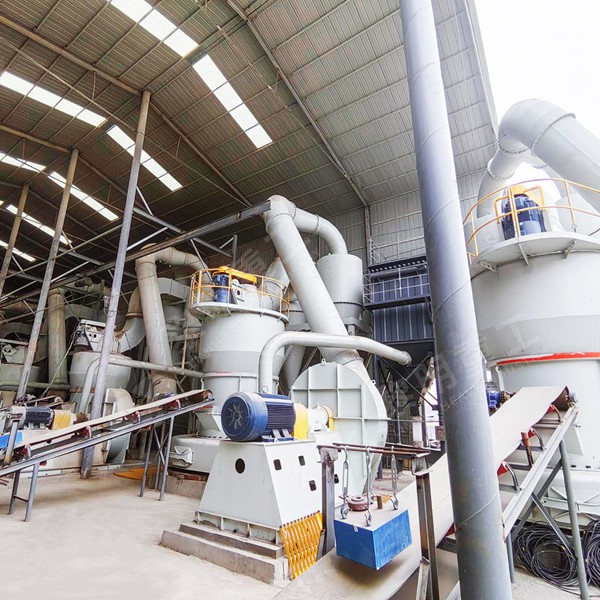
Liming Heavy Industry's Raymond Mill is engineered for this precise operational window. Its robust construction, featuring high-quality alloy grinding rolls and rings, is calibrated to efficiently fracture kaolin particles within the 15-25mm feed range. The integrated centrifugal classifier then ensures precise separation, allowing only particles that meet the target fineness (typically adjustable between 44μm to 613μm) to exit as product. This seamless integration of size reduction and classification is key to producing the uniform particle size distribution required for premium kaolin applications. Adhering to the prescribed feed size ensures the system operates within its designed parameters, maximizing the 1.2-4.5 T/H capacity and achieving the desired fineness for sectors like paper coating or high-grade ceramics.
It is crucial to understand that the Raymond Mill is often the heart of a larger processing line. The feeding size requirement directly impacts upstream equipment selection. For most kaolin operations, raw material directly from the mine or storage will require primary crushing. A jaw crusher or hammer crusher is typically employed as a pre-crusher to reduce large kaolin rocks or compacted clay to the sub-25mm size suitable for the mill's feed hopper. Liming Heavy Industry, as a full-system provider, emphasizes this holistic approach. Our grinding solutions are designed with system compatibility in mind, ensuring that the crusher, vibrating feeder, and Raymond Mill work in concert. A well-sized and regulated feed, facilitated by an automatic variable-frequency feeder, creates stable conditions inside the grinding chamber, leading to consistent product quality, lower specific energy consumption per ton, and reduced maintenance costs.
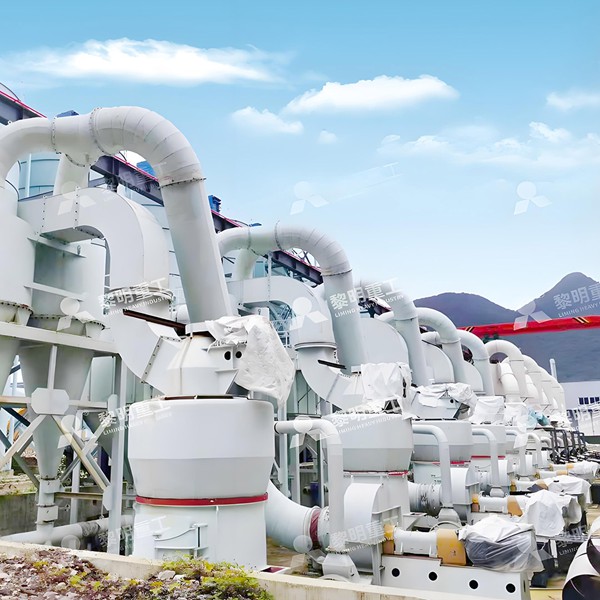
In practice, moisture content interacts with feed size. Kaolin fed into a Raymond Mill should ideally have a humidity of less than 6%. Damp, fine feed can clog the system, while large, damp lumps are exceedingly difficult to grind. Therefore, for high-moisture kaolin, a drying stage before or integrated with crushing may be necessary. The engineering team at Liming Heavy Industry, leveraging over three decades of experience in crushing and grinding, can provide tailored assessments to determine the optimal preparatory steps for specific kaolin deposits. Our modern R&D facilities and commitment to technological progress, such as the development of upgraded models like the MTW European Type Grinding Mill, ensure that our recommendations are based on the latest advancements in milling efficiency and system integration.
Ultimately, respecting the Raymond Mill's feeding size requirements for kaolin is a fundamental best practice for profitable and sustainable operation. It protects your capital investment, optimizes energy use, and guarantees the end product meets the stringent specifications of downstream industries. By partnering with an experienced manufacturer like Liming Heavy Industry, you gain access not just to reliable equipment, but to the comprehensive process knowledge needed to configure an entire production line—from initial feed preparation to final powder collection—for peak performance in kaolin processing.
Frequently Asked Questions (FAQ)
Q1: What happens if I occasionally feed kaolin slightly larger than 25mm into my Raymond Mill?
A1: Occasional slightly oversized feed may be tolerated by a robust mill, but it will cause increased vibration, higher instantaneous power draw, and accelerated wear. Consistent over-size feeding will lead to decreased capacity, poorer fineness control, and potentially damage to grinding components.
Q2: Can the Liming Raymond Mill handle kaolin with a hardness greater than 7 on the Mohs scale?
A2: The standard Raymond Mill is designed for materials with hardness under 7 Mohs, which includes kaolin. For harder minerals, Liming Heavy Industry offers alternative solutions like the Ball Mill or LM Vertical Roller Mill, which are built for more abrasive applications.
Q3: Is a pre-crusher always necessary for a kaolin Raymond Mill line?
A3> Yes, in nearly all cases. Unless your sourced kaolin is already consistently under 25mm, a jaw or hammer crusher is essential to prepare the feed and ensure stable, efficient operation of the grinding mill.
Q4: How does feed size relate to the final fineness of the kaolin powder?
A4: A consistent, correctly sized feed allows the grinding rollers and classifier to work at their designed efficiency. An erratic or oversized feed makes it difficult for the classifier to maintain a precise cut, leading to a broader, less uniform particle size distribution in the final product.
Q5: Besides feed size, what other kaolin properties are critical to monitor for optimal milling?
A5: Moisture content (aim for <6%) and chemical composition are vital. High moisture causes clogging, and certain impurities can affect grindability or the abrasiveness of the material. Always test your specific kaolin deposit to inform the complete plant design.


