Published: October 26, 2023
In the pursuit of sustainable industrial practices, the demand for efficient and environmentally conscious grinding equipment has never been greater. Liming Heavy Industry Co., Ltd. addresses this critical need with its advanced, eco-friendly Raymond Mill technology, specifically engineered for limestone processing. By integrating cutting-edge design with a closed-circuit system and advanced dust collection, our Raymond Mill minimizes environmental impact while delivering superior performance in fineness, capacity, and energy efficiency. This article explores the technical innovations, operational principles, and significant environmental benefits of our Raymond Mill systems, highlighting their role in promoting greener production across power plant desulfurization, heavy calcium carbonate processing, and non-metallic mineral industries.
For over three decades, Liming Heavy Industry has stood at the forefront of crushing and grinding equipment manufacturing. Founded in 1987 and headquartered in the HI-TECH Industry Development Zone of Zhengzhou, our commitment to scientific research, precision manufacturing, and technological innovation has solidified our leadership position. We persistently implement a development strategy centered on enhancing product competitiveness, relying on a mature R&D team to drive progress. This dedication is embodied in our Raymond Mill series, which represents a significant evolution from traditional designs towards greater sustainability and operational excellence.
The core of our environmental approach lies in the system design. A typical Liming Raymond Mill grinding line for limestone is a marvel of integrated engineering. The system comprises the grinding mill itself, a high-efficiency separator, an air blower, a jaw crusher for primary size reduction, a vibrating feeder, hoppers, and a state-of-the-art pulse jet dust collector connected through a network of pipes and ducts. This configuration forms a fully closed-circuit system. The ground limestone powder is carried by the air flow to the separator, where oversized particles are rejected and returned for regrinding, while the qualified fine powder is collected as the final product. Crucially, the air is recirculated back to the blower, creating a loop that dramatically reduces dust emissions and heat loss.
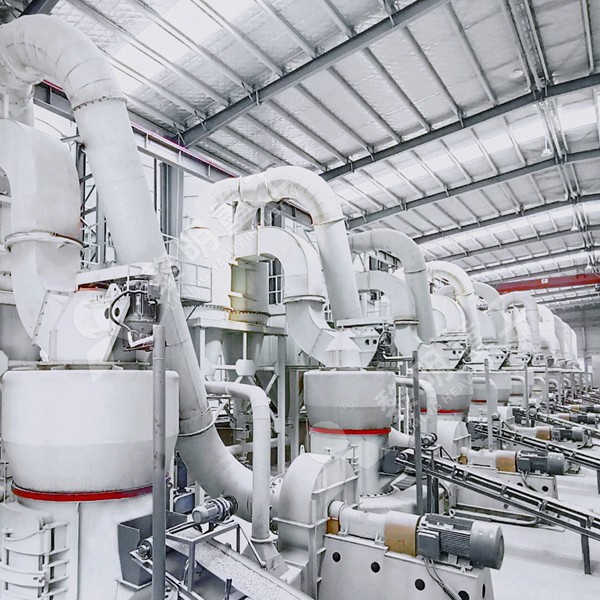
At the heart of this system's environmental performance is the advanced pulse jet dust collector. This component is not an afterthought but an integral part of the mill's design. It operates with high filtration efficiency, capturing ultrafine particulate matter that would otherwise be released into the atmosphere. The collected limestone dust can often be reintroduced into the product stream, maximizing material yield and achieving near-zero waste. This technology ensures that the entire grinding process complies with stringent national and international environmental protection standards, making it an ideal choice for regions with strict emissions regulations.
Our Raymond Mill technology is particularly suited for two major environmentally critical applications: power plant flue gas desulfurization (FGD) and the production of heavy calcium carbonate (GCC). In FGD systems, finely ground limestone powder is used as a sorbent to remove sulfur dioxide from exhaust gases. The efficiency of this scrubbing process is directly related to the fineness and reactivity of the limestone powder. Our mills consistently produce powder within the optimal fineness range (typically 44μm to 613μm), ensuring maximum surface area for chemical reaction and leading to higher desulfurization rates with less sorbent consumption. This translates to lower operational costs and a reduced environmental footprint for power generation.
Beyond system design, energy efficiency is a fundamental pillar of our mill's eco-friendly profile. The grinding mechanism—where materials are ground between the rollers and the grinding ring—is engineered for low power consumption per ton of output. The recirculation of air within the closed system reduces the energy required for heating and moving air compared to open systems. Furthermore, the automatic electric control system optimizes the entire operation, adjusting feed rates and classifier speed to maintain peak efficiency under varying conditions, thereby preventing energy waste.
For projects requiring even finer products or dealing with specific limestone characteristics, Liming Heavy Industry offers complementary technologies. Our MTW European Type Grinding Mill, an advanced upgrade of the traditional Raymond mill, features patented technology that enhances stability, productivity, and energy savings for large-scale powder making. For superfine limestone powder (down to d97 ≤ 5μm), the MW Micro Powder Mill, which incorporates advanced Swedish grinding technology, is the optimal choice. It is exceptionally capable in superfine processing and is equally equipped with efficient pulse dust collectors for green production.
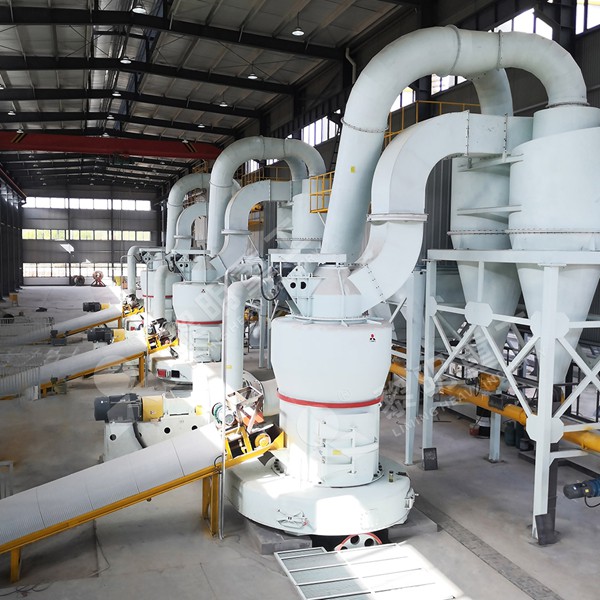
Operational reliability and low maintenance further contribute to sustainability by reducing resource consumption over the equipment's lifecycle. The robust construction of our Raymond Mills, using high-wear-resistant materials for grinding components, ensures long service intervals and consistent product quality. This durability minimizes downtime, spare part replacement frequency, and the associated environmental costs of manufacturing and transporting new components.
In conclusion, Liming Heavy Industry's Environmental Friendly Raymond Mill for limestone is more than just machinery; it is a comprehensive solution for industries transitioning towards responsible manufacturing. By harmonizing high grinding performance with closed-loop design, superior dust control, and energy-saving operations, it sets a new benchmark for mineral processing equipment. It empowers industries such as power generation, construction materials, and chemicals to meet their production goals while actively protecting the environment—a true embodiment of our corporate philosophy of pioneering innovation for a sustainable future.
Frequently Asked Questions (FAQs)
- What is the primary environmental advantage of your Raymond Mill system for limestone?
The key advantage is its fully closed-circuit system integrated with a high-efficiency pulse jet dust collector. This design contains the grinding process, recirculates air, and captures over 99.9% of particulate matter, ensuring emissions are well within environmental standards and virtually eliminating dust pollution. - Can your Raymond Mill handle limestone with high moisture content?
Our standard Raymond Mill is suitable for materials with humidity less than 6%. For limestone with higher moisture, we recommend our LM Vertical Roller Mill, which integrates a drying function within the grinding chamber, effectively handling feed moisture up to 15%. - What fineness range can be achieved for limestone powder, and is it adjustable?
Our Raymond Mill can produce limestone powder with a fineness range between 44μm (325 mesh) and 613μm. The fineness is easily adjustable in real-time by modifying the speed of the integrated classifier or separator, allowing for quick changes to meet different product specifications. - How does the mill contribute to energy savings in a power plant's desulfurization process?
By producing consistently fine and highly reactive limestone powder, the mill increases the efficiency of the SO2 scrubbing reaction. This allows the power plant to use less sorbent to achieve the same or better desulfurization results, reducing both raw material consumption and the energy required for sorbent preparation and waste handling. - What kind of after-sales support is provided for ensuring the mill's long-term environmental performance?
We provide comprehensive support including installation supervision, operator training on optimal and efficient running, regular maintenance schedules, and prompt supply of genuine wear parts. This ensures the mill maintains its designed efficiency and emission control performance throughout its operational life.


