Published: October 26, 2023
In the demanding world of industrial mineral processing, achieving consistent, high-volume production of finely ground limestone is paramount. LIMING HEAVY INDUSTRY CO., LTD. addresses this critical need through its advanced suite of automatic Raymond grinding equipment. Building on decades of engineering expertise since its founding in 1987, the company has evolved the traditional Raymond mill into a new generation of intelligent, high-efficiency systems. These solutions, including the flagship MTW European Type Trapezium Mill and specialized Raymond Mills, integrate sophisticated automation with robust mechanical design. They are engineered to deliver precise particle size control, exceptional energy efficiency, and reliable, continuous operation for applications ranging from power plant desulfurization and construction materials to chemical manufacturing. This article explores the technological innovations, operational principles, and versatile applications that position LIMING's automated grinding systems as a cornerstone of modern limestone processing.
The evolution of grinding technology at LIMING HEAVY INDUSTRY is rooted in a philosophy of continuous research and development. With headquarters and expansive facilities in Zhengzhou's HI-TECH Industry Development Zone, the company operates on a "production, learning, and research" model. This commitment ensures that products like the automatic limestone grinding mills are not merely iterations of past designs but are purpose-built for contemporary challenges. The core objective is to enhance product competitiveness through scientific tackling of key technological problems. By leveraging a mature scientific research team, LIMING aims at the industry's technological frontier, focusing on innovations that boost productivity while reducing environmental impact. The automatic Raymond grinding systems are a direct result of this strategy, embodying precision manufacturing and pioneering innovation.
At the heart of LIMING's offering for limestone is the MTW European Type Trapezium Mill. This system represents a significant upgrade over traditional pendulum and Raymond mills, incorporating patented technology for stability and performance. Its design is a masterpiece of integrated engineering. The complete system comprises the grinding mill, a high-efficiency separator, an air blower, a jaw crusher for primary size reduction, a vibrating feeder, and a closed-loop dust collection system with pulse precipitators. The process begins with large limestone lumps being crushed to a manageable size (30-50mm). A variable-frequency belt feeder then ensures a consistent and controlled feed rate into the grinding chamber. Here, the material is ground between the rotating rollers and the stationary ring. The ground particles are carried upward by an airflow to the separator, where oversized particles are rejected and returned for regrinding, while the correctly sized powder proceeds as finished product. The closed-loop air system and integrated dust collection ensure the operation is not only efficient but also compliant with stringent environmental standards.
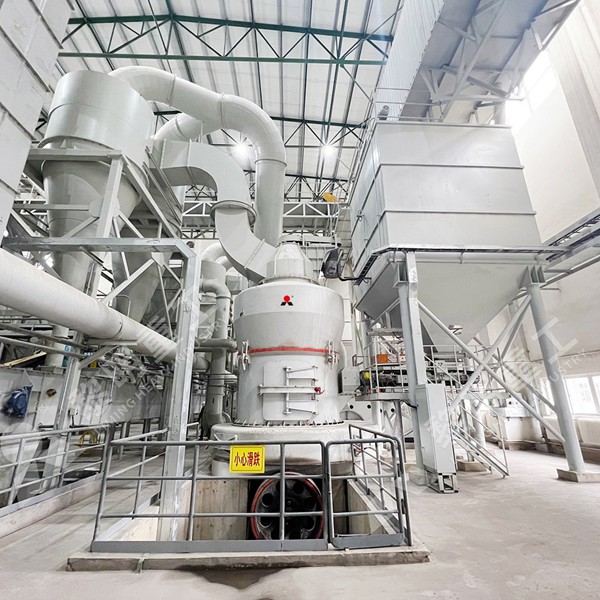
For operations requiring a more traditional Raymond mill configuration with advanced features, LIMING's dedicated Raymond Mill provides a robust solution. It is expertly suited for processing non-explosive materials with Mohs hardness under 7 and humidity less than 6%. This mill excels in producing fineness between 44μm and 613μm, making it ideal for calcium carbonate and gypsum processing, as well as for pulverized coal preparation. Its automatic electric control system is a key differentiator, allowing for remote monitoring and adjustment of operational parameters. This automation translates to reduced manual intervention, consistent product quality, and optimized energy consumption. The system's design integrates drying, grinding, powder selection, and conveying into a cohesive unit, streamlining the entire production workflow for limestone and similar materials.
The drive towards automation in these systems is multifaceted. It encompasses automated feed control for optimal mill loading, intelligent fineness adjustment via separator speed regulation, and comprehensive system monitoring for temperature, pressure, and vibration. This level of control prevents over-grinding, minimizes energy waste, and provides early warning for potential maintenance issues. Furthermore, the environmental design is integral. The pulse dust collectors are not an afterthought but a core component, ensuring that the production of fine limestone powder is a clean process. This aligns with global trends in sustainable industry, where high productivity must be paired with responsible environmental stewardship. LIMING's equipment enables plants to meet production targets while adhering to strict emissions regulations, particularly crucial in applications like flue gas desulfurization in power plants.
Beyond the MTW and Raymond mills, LIMING's broader portfolio, including the LM Vertical Roller Mill and MW Micro Powder Mill, offers tailored solutions for specific limestone grinding needs. The LM Vertical Roller Mill, with capacities up to 400 T/H, is designed for large-scale projects requiring integrated drying and grinding. The MW Micro Powder Mill, absorbing advanced Swedish technology, is unparalleled for producing superfine limestone powder down to 5μm. This versatility ensures that whether a customer needs coarse filler material for asphalt or ultra-fine powder for high-grade plastics, LIMING has an automated, efficient system to match. The common thread across all these products is the commitment to reliability, precision, and automation that reduces operational complexity and cost.
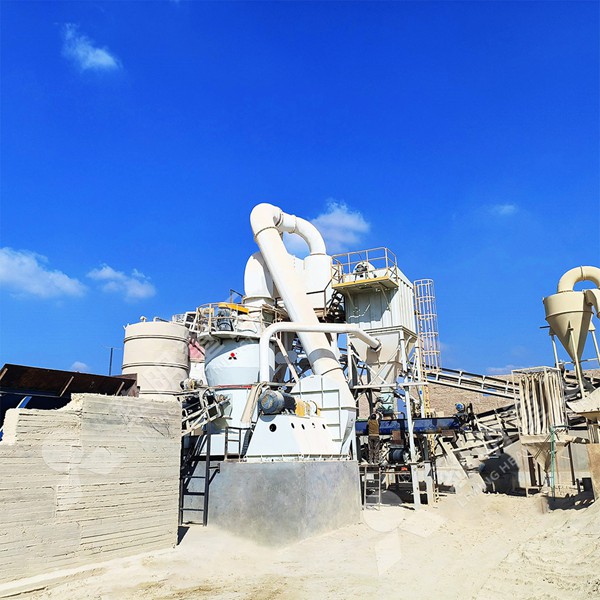
In conclusion, LIMING HEAVY INDUSTRY's automatic limestone Raymond grinding equipment stands as a testament to three decades of focused innovation in crushing and grinding technology. By merging robust mechanical engineering with intelligent automation and a steadfast commitment to environmental protection, these systems offer a future-proof solution for the mineral processing industry. They empower producers to achieve new levels of efficiency, consistency, and sustainability in limestone powder production. As the industry continues to evolve, LIMING's research-driven approach promises to keep its equipment at the forefront, helping clients worldwide build a more efficient and cleaner industrial foundation.
Frequently Asked Questions (FAQ)
- What is the primary advantage of an automatic Raymond mill over a traditional model?
The primary advantage lies in its integrated electric control system, which enables consistent product fineness through automated adjustments, reduces manual labor, optimizes energy use, and provides real-time monitoring for predictive maintenance, leading to higher overall operational efficiency and lower long-term costs. - Can your grinding equipment handle wet or high-moisture limestone?
Our LM Vertical Roller Mill is specifically designed with integrated drying capabilities, making it suitable for grinding limestone with higher moisture content. The standard Raymond Mill is recommended for materials with humidity less than 6%. - How does the closed-loop system in the MTW Mill contribute to environmental protection?
The closed-loop air system, coupled with high-efficiency pulse dust collectors, ensures that nearly all particulate matter is captured and contained within the system. This prevents dust emissions, protects the workshop environment, and ensures the process complies with strict industrial environmental standards. - What level of fineness can be achieved for limestone powder with your equipment?
Our range covers a broad spectrum. The Raymond Mill and MTW Mill can produce powder from 44μm (325 mesh) up to 613μm. For superfine applications, the MW Micro Powder Mill can achieve fineness down to 5μm (d97), adjustable between 325 mesh and 2500 mesh. - Is the equipment suitable for continuous, 24/7 operation?
Yes, our automatic grinding systems are engineered for heavy-duty, continuous operation. The use of durable components, stable mechanical design, and automated monitoring systems ensures high availability and reliability for round-the-clock production demands in large-scale industrial settings.


