Published: October 26, 2023
For producers of animal feed calcium supplements, achieving a consistent, high-purity, and bioavailable calcite powder is paramount. This article explores how Raymond Mill technology, specifically the advanced solutions offered by Liming Heavy Industry, provides an optimal grinding platform for processing calcite into fine powders essential for modern animal nutrition. We will delve into the technical requirements, operational advantages, and the specific mill configurations that make Raymond Mills a cornerstone in the production chain of premium calcium supplements.
The inclusion of calcium carbonate, primarily sourced from calcite, in animal feed is non-negotiable for skeletal development, eggshell quality, and metabolic functions. However, the efficacy of this supplement is directly tied to its physical properties: particle size distribution, fineness, and chemical purity. A coarse or inconsistent grind leads to poor mixability and reduced bioavailability. This is where precision grinding technology steps in. Liming Heavy Industry, with over three decades of expertise in manufacturing crushing and grinding equipment, has refined its Raymond Mill series to meet the exacting standards of the animal feed industry. Our mills are engineered to transform raw calcite into a uniform, ultra-fine powder ideal for homogeneous blending into feed formulations.
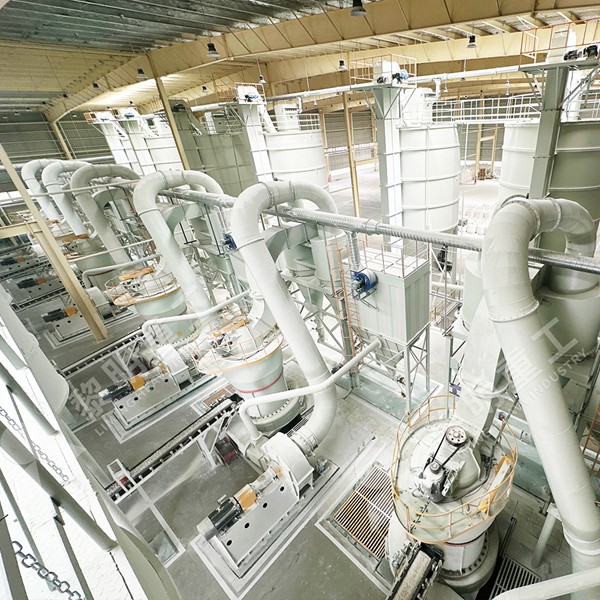
Liming's Raymond Mill operates on a well-established principle perfected for minerals like calcite. The system feeds raw calcite (typically 15-25mm in size) into the grinding chamber where rotating rollers exert pressure on a stationary ring. The material is crushed and ground into fine particles, which are then carried by an air stream to a classifier. The classifier's precision is key; it allows only particles meeting the target fineness (typically between 44μm and 613μm for feed applications) to pass through as finished product. Oversized particles are recycled for further grinding. This closed-circuit system ensures high efficiency and consistent output. The entire process can be integrated with drying if the raw material has moisture, though for optimal calcite grinding, humidity should be less than 6%.
What sets Liming's equipment apart for this application is our commitment to "scientific research tackling key problems." Our Raymond Mills for calcite feature several critical advancements. The grinding roller assembly uses high-wear-resistant materials to combat the abrasive nature of calcite, ensuring long service life and stable chemical purity of the product—no metallic contamination. Furthermore, the automatic electric control system allows for precise adjustment of fineness and feed rate, enabling operators to produce different grades of calcite powder for poultry, livestock, or aquaculture feed from the same mill with minimal downtime. The system's integrated pulse dust collector is not an afterthought; it is a core component that guarantees a clean production environment, capturing over 99% of airborne particles, which aligns with both environmental standards and Good Manufacturing Practices (GMP) for feed supplement production.
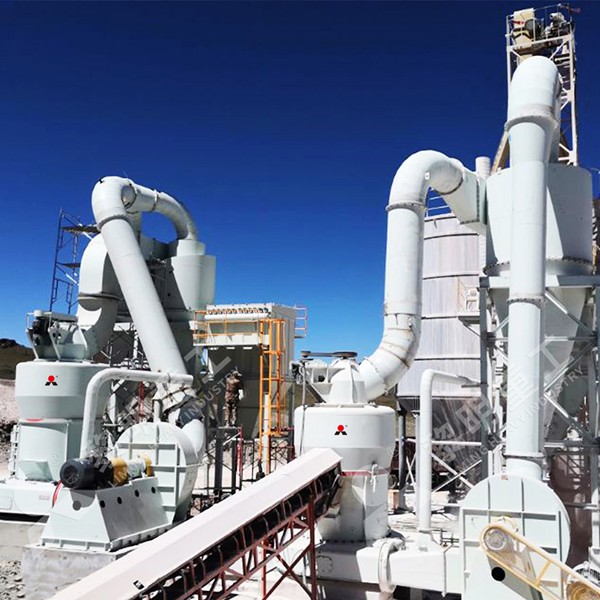
When selecting a mill, capacity and fineness are primary considerations. Liming's standard Raymond Mill offers a capacity range of 1.2 to 4.5 tons per hour, suitable for small to medium-scale supplement producers. For larger operations requiring higher throughput or even finer powders, our MTW European Type Grinding Mill presents an upgraded solution. Inheriting the advantages of the traditional Raymond mill, the MTW series boasts a patented curved surface duct and an internal efficient classifier, offering higher productivity (up to 55 TPH) and the ability to achieve a tighter particle size distribution. For ultra-fine applications beyond the scope of standard Raymond Mills, our MW Micro Powder Mill, leveraging advanced Swedish technology, can produce calcite powder as fine as 5μm (d97), though this extreme fineness is more common in high-end industrial applications than standard animal feed.
Operational reliability is a cornerstone of Liming's philosophy. Our modern manufacturing facilities in Zhengzhou's HI-TECH Industry Development Zone and Shangjie Industry Park, covering a vast area, are equipped for precision manufacturing. Every Raymond Mill undergoes rigorous testing before shipment. For feed mill operators, this translates to reduced maintenance intervals, stable production lines, and ultimately, a reliable supply of high-quality calcite powder. The strategy of "production, learning and research" ensures that our equipment evolves with industry needs, aiming at the technological frontier to provide our clients with a competitive edge in the animal nutrition market.
Frequently Asked Questions (FAQ)
Q1: What is the typical fineness range achievable for calcite powder using a Liming Raymond Mill in feed applications?
A1: Liming Raymond Mills are highly versatile and can consistently produce calcite powder within a fineness range of approximately 44μm (325 mesh) to 613μm. For animal feed calcium supplements, a fineness between 150 and 300 mesh is most common to ensure optimal bioavailability and mixability.
Q2: How does the Raymond Mill ensure the purity of the calcite powder, preventing contamination?
A2: Our mills are constructed with wear-resistant materials in the grinding chamber, such as high-chromium alloy rollers and rings, which minimize wear and prevent metallic contamination. Furthermore, the closed-circuit grinding system and efficient pulse dust collector prevent external pollutants from entering the final product.
Q3: Can the mill handle calcite with some moisture content?
A3: The standard Raymond Mill is suitable for materials with humidity less than 6%. For calcite with higher moisture, Liming offers integrated solutions where a drying function can be incorporated into the system, or we recommend pre-drying the feedstock to ensure optimal grinding efficiency and powder flow characteristics.
Q4: What are the key maintenance points for a Raymond Mill processing abrasive material like calcite?
A4: Regular inspection and replacement of grinding rollers and rings are the primary maintenance tasks due to wear. However, our use of durable materials extends these intervals. Other routine checks include lubricating the central shaft, inspecting the classifier blades for wear, and ensuring the pulse dust collector's filters are clean to maintain optimal airflow and efficiency.
Q5: For a new animal feed supplement production line, why should I choose a Raymond Mill over a Ball Mill for calcite grinding?
A5: While ball mills are versatile, Raymond Mills offer distinct advantages for calcite: higher energy efficiency for the target fineness range, a drier grinding process (minimizing caking), superior particle size distribution control via the integrated classifier, and a more compact system footprint. They are specifically engineered for fine grinding of non-metallic minerals like calcite.


