Published on: October 26, 2023
In the competitive landscape of mineral processing, efficiency and precision are paramount. Liming Heavy Industry Co., Ltd. addresses this critical need with its advanced, energy-optimized Raymond Mill, specifically engineered for high-volume calcite grinding. This mill represents a significant evolution from traditional designs, integrating proprietary technologies that deliver a consistent output of 5 to 30 tons per hour while substantially reducing specific energy consumption. It is the result of over three decades of focused R&D and precision manufacturing, offering a reliable, closed-loop system that excels in producing fine powders between 44μm and 613μm for industries ranging from plastics and paints to construction and chemicals. This article delves into the technical innovations, operational principles, and tangible benefits that make this mill a cornerstone for modern, sustainable mineral powder production.
Founded in 1987, Liming Heavy Industry has grown from a domestic machinery manufacturer into a global leader, with its headquarters and expansive facilities in Zhengzhou's HI-TECH Industry Development Zone. The company's philosophy is deeply rooted in a "scientific research tackling key problems" approach, where a mature R&D team continuously targets the technological frontiers of grinding and milling. This commitment to innovation is vividly embodied in their Raymond Mill series, particularly the models calibrated for non-metallic minerals like calcite. By focusing on the core competitiveness of its products—through technological improvement and a "production, learning and research" model—Liming ensures its equipment not only meets but anticipates the stringent demands of modern industry.
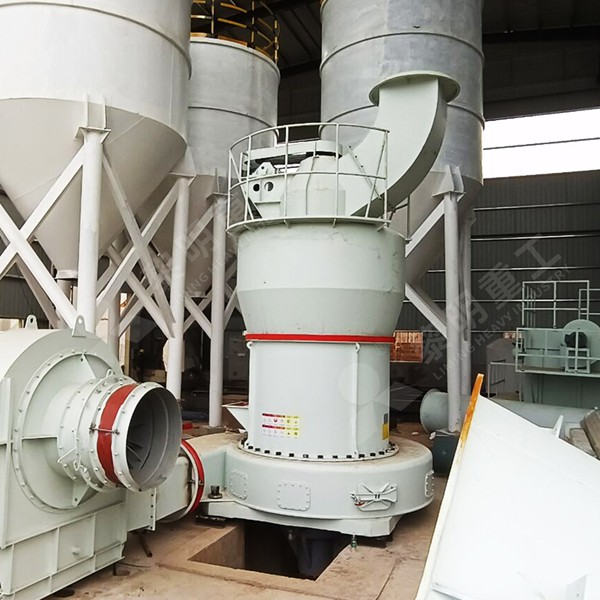
The working principle of the calcite Raymond Mill is a masterpiece of mechanical efficiency. The system is a cohesive unit comprising the mill, a high-efficiency separator, an air blower, a jaw crusher, a vibrating feeder, and integrated dust collection apparatus. Large calcite lumps are first reduced to a manageable size of 15-25mm by the crusher. A variable-frequency feeder then ensures a steady, controlled flow of material into the grinding chamber. Here, the core action takes place: materials are ground between the grinding rollers and the ring. The ground powder is carried upward by the airflow to the classifier. Particles meeting the fineness specification pass through and are collected as the final product, while coarser particles are rejected back to the grinding zone for further processing. This internal circulation, coupled with a closed-loop air system recycled by the blower, minimizes waste and maximizes yield.
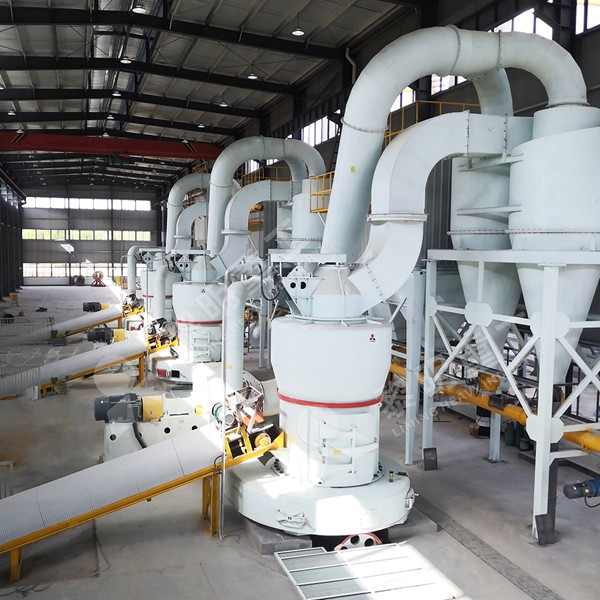
What truly sets this mill apart is its dedicated energy-saving architecture. Every component, from the aerodynamic design of the grinding chamber to the high-precision separator and the high-efficiency impulse dust collector, is optimized for minimal power draw. The mill's ability to maintain stable operation at high capacity directly translates to a lower energy cost per ton of processed calcite. Furthermore, the entire system is sealed, preventing dust emission and ensuring a clean working environment that complies with international environmental standards. This focus on sustainability makes it an ideal choice for operations looking to reduce their carbon footprint without compromising on throughput or product quality.
The versatility of this Raymond Mill is a key asset. While expertly configured for calcite—producing powders ideal for fillers in plastics, paper, and adhesives—its design accommodates a wide range of non-flammable, non-explosive materials with Mohs hardness below 7 and humidity under 6%. This includes gypsum, limestone, talc, barite, and more. The adjustable fineness, controlled by the separator speed, allows operators to produce different grades for various applications, from coarse fillers to finer powders for high-gloss paints. This flexibility, combined with the robust 5-30 TPH capacity range, provides producers with a single, reliable machine capable of serving multiple market segments.
Operational reliability and ease of maintenance are engineered into the mill's DNA. Critical wear parts like grinding rollers and rings are manufactured from high-chromium alloy or other advanced materials for extended service life, reducing downtime and maintenance costs. The centralized automatic electric control system allows for straightforward monitoring and adjustment of the entire process. Liming's commitment to precision manufacturing ensures that each mill delivers consistent performance, backed by the company's global sales and service network. For any operation seeking to scale up calcite powder production with an eye on efficiency, sustainability, and long-term reliability, this energy-saving Raymond Mill from Liming Heavy Industry presents a compelling, future-proof solution.
Frequently Asked Questions (FAQ)
- What is the primary advantage of this Raymond Mill for calcite processing?
The primary advantage is its optimized energy efficiency, delivering a high output of 5-30 tons per hour with significantly lower specific energy consumption compared to conventional mills, leading to reduced operational costs. - Can this mill process materials other than calcite?
Yes. It is suitable for a wide range of non-explosive minerals with Mohs hardness under 7, such as gypsum, limestone, talc, barite, and feldspar, provided the moisture content is below 6%. - How is the fineness of the final powder controlled?
The fineness is precisely controlled by adjusting the speed of the integrated high-efficiency separator. This allows operators to produce calcite powder within a range of 44μm to 613μm to meet specific customer requirements. - What makes the system environmentally friendly?
The mill operates as a completely closed-circuit system with a high-efficiency pulse dust collector. This ensures near-zero dust emissions during operation, complying with strict environmental protection standards. - How does Liming Heavy Industry ensure the mill's reliability and long service life?
Reliability is ensured through precision manufacturing, the use of wear-resistant materials for key components like grinding rollers, and a robust design philosophy developed over 30 years of industry experience and continuous R&D.


