Published: October 26, 2023
Producing heavy calcium carbonate powder with a consistent 99% whiteness requires a meticulously configured grinding system that balances fineness control, particle size distribution, and product purity. For this demanding application, a modernized Raymond mill system, specifically engineered with enhanced classification and contamination-minimizing features, offers an optimal solution. This article details the critical configuration parameters and process considerations for leveraging Liming Heavy Industry's advanced Raymond milling technology to achieve superior whiteness and quality in heavy calcium powder production.
The pursuit of ultra-high whiteness in heavy calcium powder is driven by its applications in premium-grade plastics, paints, coatings, and paper, where brightness directly influences product quality and value. Achieving 99% whiteness is not merely about selecting a white raw material; it is a comprehensive process challenge involving precise grinding, efficient classification, and stringent control over contamination and thermal degradation. Liming Heavy Industry's expertise in mineral processing equipment provides a robust foundation for building such a production line.
At the core of this configuration is the advanced Raymond Mill (MTW European Type Grinding Mill). While traditional Raymond mills are suitable for general calcium carbonate grinding, the MTW series represents a significant evolution. Its upgraded grinding roller and ring geometry, coupled with a bevel gear integral transmission system, ensures smoother operation with less mechanical vibration—a critical factor in preventing metallic wear that can introduce impurities and discolor the powder. The system's large-diameter grinding roller applies ample pressure to the material bed, promoting efficient comminution with relatively lower energy consumption per ton of output.
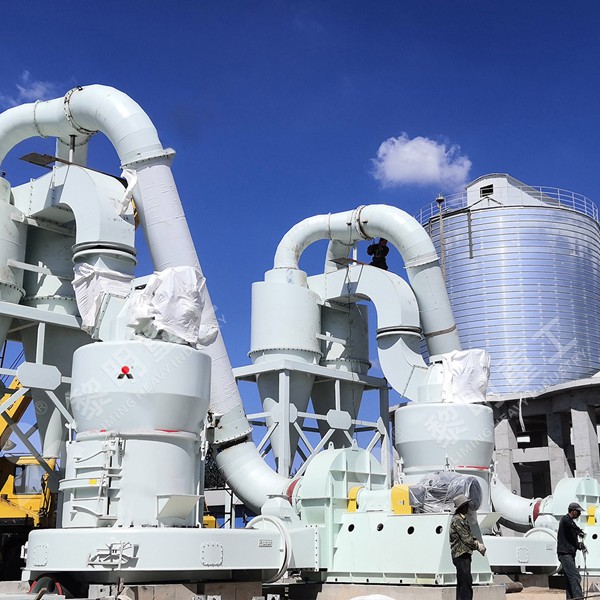
The most crucial component for whiteness is the high-precision turbine classifier. For 99% whiteness powder, the target fineness typically ranges from 400 to 2500 mesh. The classifier's adjustable rotor speed allows for real-time, precise control over the particle size cut-point. This ensures that only particles meeting the strict fineness specifications are collected as product, while coarser particles are returned for further grinding. A consistent, narrow particle size distribution is essential, as overly broad distributions can scatter light differently and negatively impact perceived brightness. The closed-circuit air system, featuring high-efficiency cyclone collectors and pulse-jet bag filters, is designed to prevent powder leakage and external contamination.
Material handling and system integrity are paramount. The configuration must begin with high-purity calcite or marble feedstock. A jaw crusher and vibrating feeder prepare the raw material to a consistent sub-30mm size before it enters the mill. All contact parts in the grinding chamber, classifier, and conveying ducts should be lined with appropriate wear-resistant materials or treated to minimize ferrous contamination. The use of ceramic or specially hardened liners in key areas is a recommended practice. Furthermore, the integrated pulse dust collector does more than meet environmental standards; it maintains a negative pressure within the system, ensuring no ingress of external dust and protecting the product's purity.
The thermal profile of the grinding process must be carefully managed. Excessive heat generated during milling can cause yellowing or degradation of the calcium carbonate, reducing whiteness. The MTW mill's system integrates an efficient air flow circuit. The main blower circulates air through the grinding zone, simultaneously drying the material (if necessary, given the <6% humidity requirement) and carrying the fine powder to the classifier. This airflow acts as a coolant. For especially heat-sensitive applications, the system can be configured with an auxiliary air cooling or water cooling system for the grinding roller bearings and main shaft to further stabilize the operating temperature.
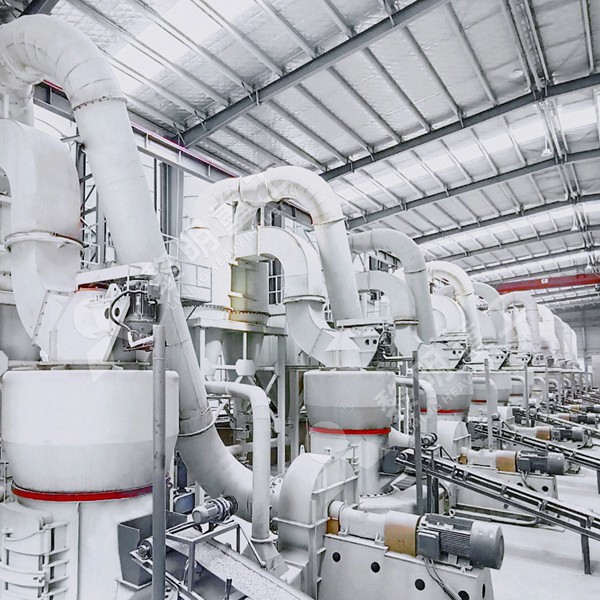
Finally, achieving and verifying 99% whiteness requires integrated quality control. The configuration should include sampling ports for on-the-spot fineness checks using laser particle analyzers and laboratory equipment for regular whiteness index testing (using standards like ISO 2470). Data from these tests can inform adjustments to the classifier speed, feed rate, and grinding pressure. Liming Heavy Industry's modern mill systems often come with PLC-based automatic control panels that can log operational data and maintain stable parameters, which is key to consistent batch-to-batch quality.
In conclusion, a successful configuration for 99% whiteness heavy calcium powder hinges on selecting a technologically advanced Raymond mill platform like the MTW series, focusing on precision classification, implementing rigorous anti-contamination measures throughout the material path, and managing process heat. By leveraging Liming Heavy Industry's engineering principles of "scientific research tackling key problems" and "technological improvement," producers can build a reliable system that delivers not only exceptional whiteness but also high productivity and operational stability, securing a competitive edge in the high-value calcium carbonate market.
Frequently Asked Questions (FAQ)
- What is the primary advantage of the MTW European Type Mill over a traditional Raymond mill for high-whiteness applications?
The MTW mill features a bevel gear integral transmission for smoother operation, advanced grinding curve design on rollers and rings for higher efficiency, and an upgraded classifier offering more precise particle size control—all critical for minimizing contamination and achieving consistent ultra-fine, high-whiteness powder. - How does the system prevent metallic contamination from affecting the powder's whiteness?
Key wear parts in the grinding chamber can be equipped with ceramic or special alloy liners. Furthermore, the optimized mechanical design reduces vibration and metal-to-metal wear, while the closed-circuit, negative-pressure air system prevents external contaminants from entering. - Can this configuration handle raw materials with slight moisture?
Yes. The system integrates drying functionality. The hot air flow generated by the system (or from an optional external heater) dries the material during grinding, making it suitable for materials with humidity up to 6%, as specified. - What fineness range can be achieved for the 99% whiteness powder with this setup?
By adjusting the speed of the high-precision turbine classifier, the system can reliably produce powder in a fineness range from approximately 400 mesh (38μm) to 2500 mesh (5μm), with the 800-1250 mesh range being most common for premium whiteness applications. - Is the production process environmentally friendly?
Absolutely. The system is a closed-circuit design equipped with high-efficiency pulse-jet bag dust collectors. This ensures nearly zero dust emission, complying with strict environmental protection standards while also maximizing product yield.


