Published: October 26, 2023
For industrial enterprises seeking a comprehensive, high-efficiency solution for producing high-quality heavy calcium carbonate powder, a turnkey project centered on a Raymond Mill system offers a streamlined path to operational success. This integrated approach encompasses everything from initial design and equipment supply to installation, commissioning, and training, ensuring a smooth transition from concept to full-scale production. Leveraging decades of engineering expertise in grinding technology, such a plant is designed for reliability, precise fineness control, and optimal energy efficiency, making it an ideal investment for sectors ranging from plastics and paints to paper and construction materials.
The core of any heavy calcium powder plant is its grinding system. The Raymond Mill, a proven technology refined over generations, remains a cornerstone for processing non-metallic minerals like calcite, limestone, and marble. Its principle is elegantly efficient: bulk materials are fed into the grinding chamber where revolving rollers exert centrifugal force against a stationary ring, pulverizing the feedstock. An integrated air classifier immediately separates particles to the target fineness, while oversized particles are recirculated for further grinding. This closed-circuit system ensures consistent product quality with fineness typically adjustable between 44 to 613 microns. For a turnkey project, the mill is not supplied in isolation but as the heart of a synchronized system including jaw crushers for primary size reduction, vibrating feeders, bucket elevators, silos, and advanced pulse-jet bag dust collectors that guarantee environmentally compliant operation.
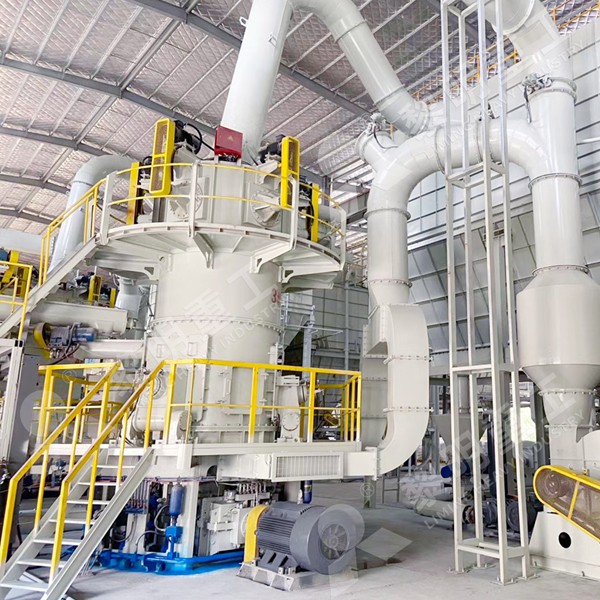
Engineering a successful turnkey project requires deep application knowledge. Heavy calcium carbonate demands not just fine grinding but often a specific particle size distribution (PSD) to enhance functional properties like opacity, strength, or viscosity in the final product. The design phase must therefore carefully match the mill's capabilities—its grinding force, classifier speed, and air volume—to the precise mineral characteristics and desired output specifications. Furthermore, the entire plant layout is optimized for logical material flow, minimal energy consumption per ton of product, and safe, accessible maintenance points. Modern control systems with programmable logic controllers (PLCs) allow for automated operation, real-time monitoring of key parameters like temperature and pressure, and consistent repeatability of product batches.
Beyond the classic Raymond Mill, technological evolution offers enhanced options for a turnkey project. The MTW European Type Grinding Mill, for instance, represents a significant advancement. Inheriting the grinding principle of the Raymond mill, it incorporates innovative curved blades on the shovel, a conical grinding roller, and an internal efficient turbo-air classifier. These features contribute to higher throughput, lower energy consumption per ton, and the ability to achieve finer powders if required. The selection between a traditional Raymond system and an upgraded MTW model is a critical decision in the project planning, based on capacity targets, fineness requirements, and long-term operational cost objectives.
A true turnkey solution extends far beyond equipment manufacturing. It involves a dedicated project management team that oversees every stage: conducting site surveys, creating detailed foundation drawings, supervising civil work, orchestrating the delivery of all components, leading the installation and mechanical alignment, performing comprehensive system commissioning, and finally, conducting thorough operational training for the client's personnel. This end-to-end responsibility mitigates risk for the investor, ensures all subsystems interface correctly, and dramatically shortens the time to profitable production. The goal is to hand over a fully functional plant where the client simply needs to supply power, raw material, and personnel to begin manufacturing.
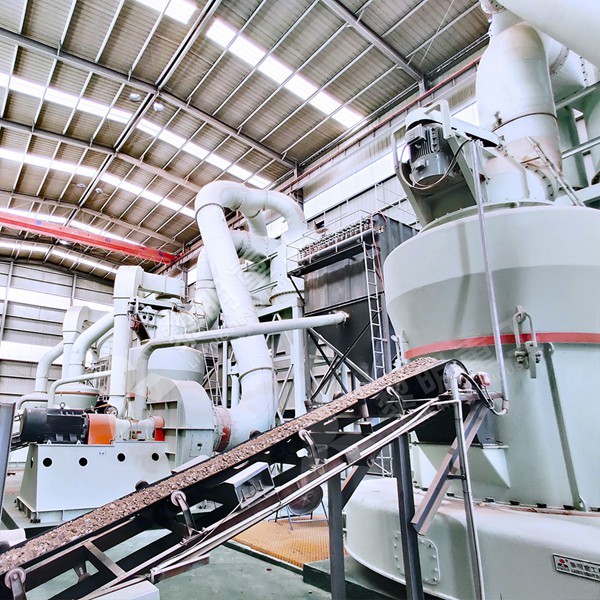
In conclusion, investing in a turnkey heavy calcium powder plant with a Raymond Mill system is a strategic move for businesses aiming to secure a reliable, high-quality supply of this essential industrial filler and additive. It transforms the complex challenge of building a mineral processing line into a managed, single-source project. By partnering with an experienced provider with a strong research and development ethos, clients gain access to robust technology, integrated system design, and seamless execution, laying a solid foundation for competitiveness and growth in their respective markets.
Frequently Asked Questions (FAQ)
- What is the typical range of production capacity for a turnkey heavy calcium powder plant using a Raymond Mill system?
Capacity can be customized based on the specific mill model and system configuration. Standard systems can range from smaller lines processing a few tons per hour to larger installations designed for outputs exceeding 10 tons per hour, with the overall plant design scaled accordingly. - How is the fineness of the final calcium powder controlled in the system?
Fineness is primarily controlled by adjusting the speed of the integrated dynamic classifier or separator. By varying the rotational speed, the cut point for particle size is altered, allowing operators to produce powder within a defined spectrum, typically from 44 microns up to 613 microns, without stopping the mill. - What are the key advantages of a turnkey project compared to sourcing equipment separately?
A turnkey project provides single-point accountability, ensures perfect compatibility between all components (crushing, grinding, conveying, dust collection), guarantees optimized system performance, reduces project management burden on the client, and significantly shortens the overall time from purchase to production. - What kind of after-sales support is typically included with a turnkey project?
Comprehensive support usually includes detailed operational and maintenance training, provision of technical manuals and drawings, a warranty period for equipment, and access to remote technical assistance and a supply of genuine spare parts to ensure long-term plant availability. - Can the system handle raw materials with slightly higher moisture content?
Standard Raymond Mill systems are designed for materials with humidity less than 6%. For feedstocks with higher moisture, the system design can be modified to include integrated drying functionality, often by introducing hot air into the grinding chamber, to ensure efficient grinding and prevent clogging.


