Published: October 26, 2023
In the competitive world of masterbatch manufacturing, the choice of grinding equipment directly impacts product quality, production efficiency, and operational costs. For calcium carbonate—a primary filler in plastic masterbatch—achieving consistent fineness, uniform particle distribution, and high throughput is non-negotiable. The calcium carbonate roller mill, particularly advanced vertical roller mill (VRM) technologies, has emerged as the preferred solution for masterbatch producers seeking to optimize their grinding processes. Liming Heavy Industry Co., Ltd., with over 30 years of expertise in crushing and grinding equipment, offers a comprehensive range of roller mills tailored for calcium carbonate processing. Our machines integrate drying, grinding, powder selection, and conveying into a single system, delivering capacities from 10 to 400 T/H and input sizes up to 55 mm. This article explores how our roller mill technology—from the LM Vertical Roller Mill to the MTW European Type Trapezium Mill—provides the precision, energy efficiency, and scalability required for high-quality masterbatch production.
LIMING HEAVY INDUSTRY CO., LTD. was founded in 1987, specializing in large and medium-sized crushing and grinding equipment. As a modern joint-stock corporation combining research, manufacturing, and sales, our headquarters in Zhengzhou's HI-TECH Industry Development Zone spans 80,000 m², with an additional 67,000 m² workshop in Shangjie Industry Park. Over the past three decades, we have adhered to modern scientific management, precision manufacturing, and continuous innovation, establishing ourselves as a leader in the domestic and overseas machinery manufacturing industry.
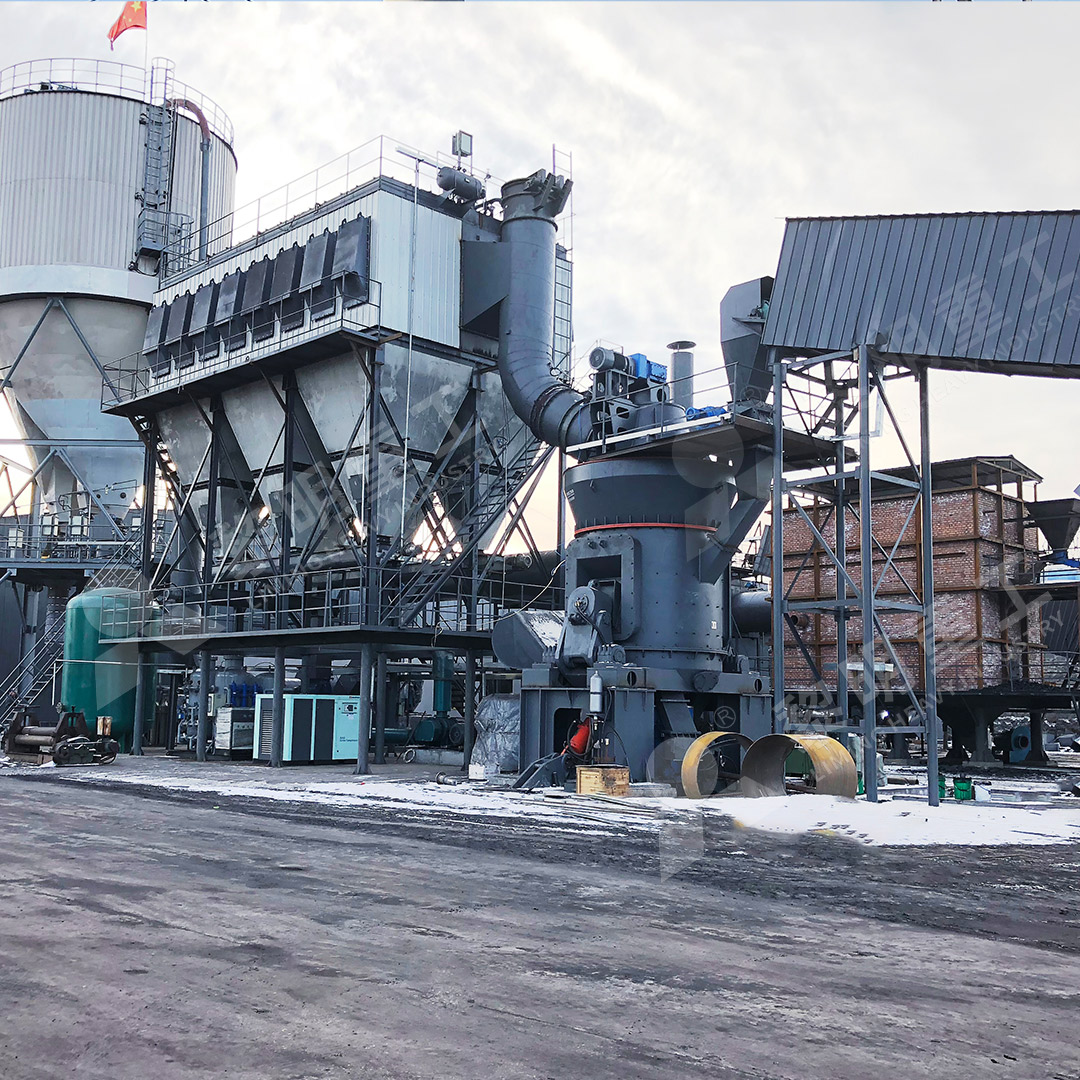
Why Choose a Roller Mill for Calcium Carbonate Masterbatch?
Masterbatch production demands filler materials with specific particle sizes—typically between 1–10 µm for most applications—and a narrow distribution curve to ensure consistent color, mechanical properties, and processability. Calcium carbonate, being a soft mineral (Mohs hardness 3), is ideally processed using roller mills, which offer several advantages over other grinding methods:
- High Efficiency: Roller mills operate with lower energy consumption per ton compared to ball mills or hammer mills, reducing operational costs.
- Precise Fineness Control: Integrated classifiers allow adjustment of output fineness from 613 µm to 44 µm (or finer for micro powder mills), catering to different masterbatch grades.
- Low Noise and Dust: Enclosed systems with pulse dust collectors meet strict environmental standards, a critical factor in modern industrial operations.
- Continuous Operation: Our mills are designed for 24/7 production with minimal downtime, maximizing throughput for large-scale masterbatch plants.
Liming Heavy Industry's roller mills are specifically engineered to handle the abrasive nature of calcium carbonate while maintaining high availability. The LM Vertical Roller Mill, for instance, features a unique roller and grinding table design that distributes pressure evenly, reducing wear and extending service life.
Our Key Roller Mill Solutions for Masterbatch
1. LM Vertical Roller Mill
The LM Vertical Roller Mill is our flagship product for calcium carbonate grinding in masterbatch. It integrates drying, grinding, and classifying into one unit, simplifying the process flow and reducing capital expenditure. Key specifications include:
- Capacity: 10–400 T/H
- Input Size: 30–55 mm
- Applications: Cement, electricity, metallurgy, chemical, and non-metallic mineral industries, with a focus on non-metallic minerals, coal, and slag.
The LM mill uses a hydropneumatic system to apply grinding pressure, ensuring consistent product quality even with varying feed characteristics. For masterbatch, this means uniform particle size distribution, which translates to better dispersion in the plastic matrix.
2. MTW European Type Trapezium Mill
An upgrade from traditional Raymond mills, the MTW European Type Trapezium Mill offers patented technology for stable performance and high productivity. It is ideal for large-scale non-metallic mineral powder making, including calcium carbonate for masterbatch:
- Capacity: 3–55 TPH
- Input Size: 30–50 mm
- Applications: Limestone desulfurization, heavy calcium carbonate processing, non-metallic mineral powder making, solid fuel grinding, and building materials.
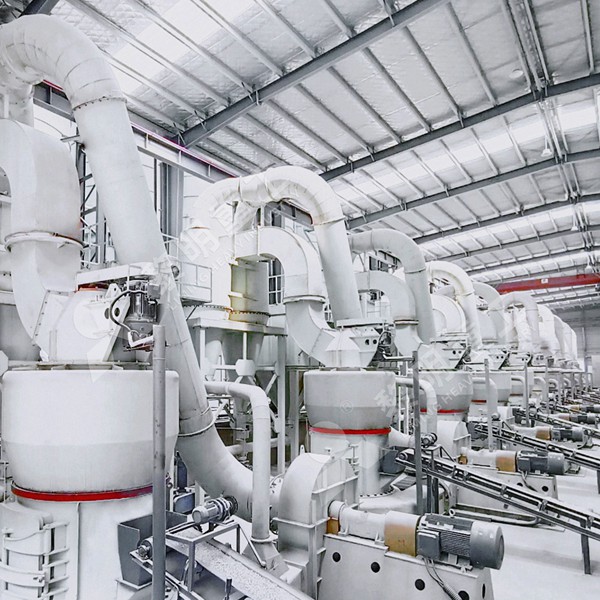
Working Principle: The MTW mill system includes a grinding mill, separator, air blower, jaw crusher, vibrating feeder, hopper, dust collector, pipe, powder collector, electric cabinet, and motors. Large materials are first crushed by a jaw crusher to the required size, then fed evenly and continuously into the mill via a variable-frequency belt feeder. Materials are ground between the ring and rollers, moving upward with the air flow. Particles that cannot pass the separator fall back for regrinding, while the finished product is collected. The closed-loop system, equipped with a pulse dust collector, ensures environmental compliance.
3. Raymond Mill
For smaller operations or specific fineness requirements, our Raymond Mill remains a reliable choice. It processes non-flammable, non-explosive materials with Mohs hardness under 7 and humidity below 6%:
- Capacity: 1.2–4.5 T/H
- Input Size: 15–25 mm
- Output Fineness: 613 µm to 44 µm
- Applications: Calcium carbonate crushing, gypsum crushing, power plant desulfurization, non-metallic ore pulverizing, and pulverized coal preparation.
4. MW Micro Powder Mill
When masterbatch demands superfine calcium carbonate (d97 ≤ 5 µm, adjustable between 325–3250 mesh), the MW Micro Powder Mill excels. It incorporates advanced Swedish grinding technology for medium-speed micro-grinding:
- Capacity: 0.5–25 T/H
- Input Size: 10–20 mm
- Working Principle: The motor drives the main shaft and turnplate via a reducer, causing dozens of rollers to rotate against the ring's raceway. Small materials, pre-crushed by a hammer crusher, are transported to the hopper and fed evenly into the central turnplate. Centrifugal force pushes the material to the raceway for crushing.
5. Ball Mill (Complementary Solution)
While not a roller mill, our Ball Mill is included for secondary grinding or applications requiring very fine powders. It is a key equipment for milling after crushing, with a capacity of 0.65–50 T/H and input size ≤ 25 mm.
Integration into Masterbatch Production Lines
To achieve optimal results, our roller mills are often integrated with auxiliary equipment such as jaw crushers, vibrating feeders, and dust collectors. The typical process flow for a calcium carbonate masterbatch line using an LM Vertical Roller Mill includes:
- Crushing: Raw calcium carbonate blocks are crushed by a jaw crusher to ≤ 55 mm.
- Feeding: A variable-frequency belt feeder ensures even material flow into the mill.
- Grinding and Classifying: The roller mill grinds the material, and the integrated classifier separates fine particles from coarse ones.
- Collection: Finished powder is collected in a pulse dust collector or bag filter, ensuring zero emissions.
- Packaging: The powder is then packed for blending with polymer resins in masterbatch production.
This streamlined process reduces energy consumption by up to 30% compared to traditional ball mill systems, while also improving product consistency—a critical factor for masterbatch quality.
Performance Data and Customer Success
In a typical masterbatch application, a Liming LM1500 Vertical Roller Mill processing calcium carbonate with a feed size of 40 mm achieves:
- Throughput: 50 T/H
- Fineness: 98% passing 325 mesh (44 µm)
- Power Consumption: 25 kWh per ton
These figures demonstrate the cost-effectiveness of our roller mills, especially when compared to alternative grinding technologies. Our clients in the plastic and masterbatch industries report improved dispersion of calcium carbonate in polyethylene and polypropylene matrices, leading to enhanced mechanical properties and reduced filler settling.
Why Liming Heavy Industry?
Choosing the right calcium carbonate roller mill requires a partner with deep technical expertise and a proven track record. Liming Heavy Industry offers:
- Customization: We tailor solutions based on your raw material characteristics, target fineness, and capacity requirements.
- Comprehensive Support: From initial consultation and site assessment to installation, commissioning, and after-sales service, our team ensures seamless integration.
- Innovation: Our R&D team continuously improves milling technologies, focusing on energy efficiency, durability, and automation.
- Global Reach: With installations in over 50 countries, our equipment is trusted by leading masterbatch manufacturers worldwide.
As a leader in crushing and grinding since 1987, we persist in implementing a strategy of scientific research and development, with the core aim of improving product competitiveness. By focusing on "scientific research tackling key problems, technological progress, and technological improvement" and "production, learning, and research," we rely on a mature research team to innovate, targeting the technological frontier of the industry.
Conclusion
The calcium carbonate roller mill from Liming Heavy Industry is a proven, efficient solution for masterbatch producers seeking to enhance product quality and reduce operational costs. Whether you require a high-capacity vertical roller mill like the LM series, a flexible MTW trapezium mill, or a precision micro powder mill, our technology delivers consistent results. By investing in our grinding equipment, you gain a competitive edge in the demanding masterbatch market.
Frequently Asked Questions (FAQ)
1. What is the typical fineness of calcium carbonate produced by a roller mill for masterbatch?
Our roller mills can produce fineness ranging from 613 µm (30 mesh) to 44 µm (325 mesh). For superfine applications, the MW Micro Powder Mill achieves d97 ≤ 5 µm, equivalent to 2500 mesh.
2. How does a vertical roller mill compare to a ball mill for calcium carbonate grinding?
Vertical roller mills are more energy-efficient (up to 30% lower power consumption), have a smaller footprint, and offer better fineness control through integrated classifiers. They also produce less noise and dust.
3. Can your roller mill handle wet calcium carbonate?
Yes, the LM Vertical Roller Mill integrates a drying function, allowing it to process materials with moisture content up to 15% without pre-drying, making it suitable for certain calcium carbonate feeds.
4. What maintenance is required for a calcium carbonate roller mill?
Regular maintenance includes inspecting grinding rollers and rings for wear, lubricating bearings, and checking the classifier and dust collector. Our mills are designed for easy access, and we provide comprehensive training and spare parts support.
5. How long does delivery and installation typically take?
Delivery times vary based on the model and customization. Standard units like the Raymond Mill ship in 4–6 weeks, while larger vertical roller mills may require 8–12 weeks. Installation takes 1–3 weeks, depending on site conditions.


