Published: October 26, 2023
An ultra fine calcium carbonate grinding plant represents the pinnacle of modern mineral processing technology, designed to produce high-quality, ultra-fine calcium carbonate powder with particle sizes reaching down to d97 ≤ 5μm. Such a plant integrates advanced grinding mills, precise classification systems, and environmentally friendly dust collection to deliver consistent product fineness, high capacity, and low energy consumption. The core of the plant lies in its grinding equipment—typically a micro powder grinding mill or a vertical roller mill—which can handle materials with Mohs hardness below 7 and moisture under 6%. With applications spanning plastics, rubber, paints, paper, and pharmaceuticals, the demand for ultra fine calcium carbonate continues to grow globally. Leading manufacturers like Liming Heavy Industry, with over three decades of expertise in crushing and grinding machinery, offer turnkey solutions that combine robust equipment, automated control, and compliance with stringent environmental standards. This article explores the key components, working principles, and technical advantages of an ultra fine calcium carbonate grinding plant, providing a comprehensive overview for industry professionals.
Introduction to Ultra Fine Calcium Carbonate Grinding
Calcium carbonate, a naturally abundant mineral, is widely used as a filler and pigment in various industries. For high-end applications, however, the particle size must be reduced to micron or sub-micron levels. An ultra fine calcium carbonate grinding plant is specifically engineered to achieve this, employing mills that can produce powders with fineness ranging from 325 mesh (44μm) up to 3250 mesh (approximately 5μm). The grinding process involves crushing, grinding, classifying, and collecting, all within a closed-loop system that minimizes dust emission and material loss.
Liming Heavy Industry, a pioneer in this field since 1987, offers a range of mills suitable for ultra fine grinding, including the MW Micro Powder Mill and the LM Vertical Roller Mill. These machines are designed for high efficiency, low energy consumption, and easy maintenance, making them ideal for calcium carbonate processing. The plant layout typically includes a jaw crusher for primary crushing, a vibrating feeder for controlled feeding, the main grinding mill, a classifier for particle size separation, a dust collector for environmental compliance, and a control cabinet for automation.
Key Equipment in the Plant
MW Micro Powder Mill
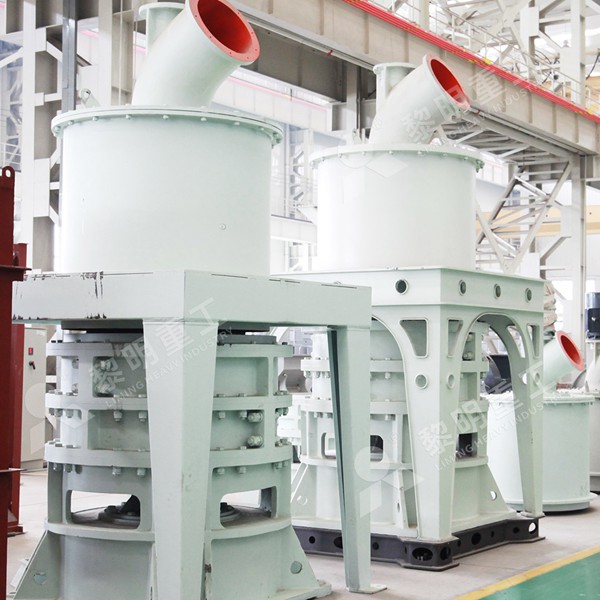
The MW Micro Powder Mill, also known as a medium-speed micro-grinding mill, is the star player in ultra fine calcium carbonate production. It incorporates advanced Swedish grinding technology and can achieve a product fineness of d97 ≤ 5μm (3250 mesh). The mill’s capacity ranges from 0.5 to 25 tons per hour, with an input size of 10-20mm. Its working principle involves a motor driving the main shaft and turnplate via a reducer, causing dozens of rollers to rotate against the raceway of the ring. Material is fed centrally, falls under centrifugal force, and is crushed into powder between the rollers and ring. The system includes a pulse precipitator for green production.
LM Vertical Roller Mill
For larger capacity requirements, the LM Vertical Roller Mill is an excellent choice. It integrates drying, grinding, powder selection, and conveying into one unit, with a capacity of 10-400 T/H and input size of 30-55mm. This mill is widely used in cement, electricity, and non-metallic mineral industries, particularly for coal and slag grinding. While it can produce ultra fine calcium carbonate, it is often paired with a classifier to achieve the desired fineness. The LM mill features a new milling device and automatic electric control, ensuring stable operation and high productivity.
Ball Mill for Coarse to Fine Grinding
Though not typically used for ultra fine grinding alone, the Ball Mill can be part of a multi-stage grinding process. With a capacity of 0.65-50 T/H and input size ≤25mm, it grinds materials via steel balls in a rotating barrel. Ground materials are discharged through a board, making it suitable for preliminary grinding before ultra fine processing.
Working Principle of the Grinding System
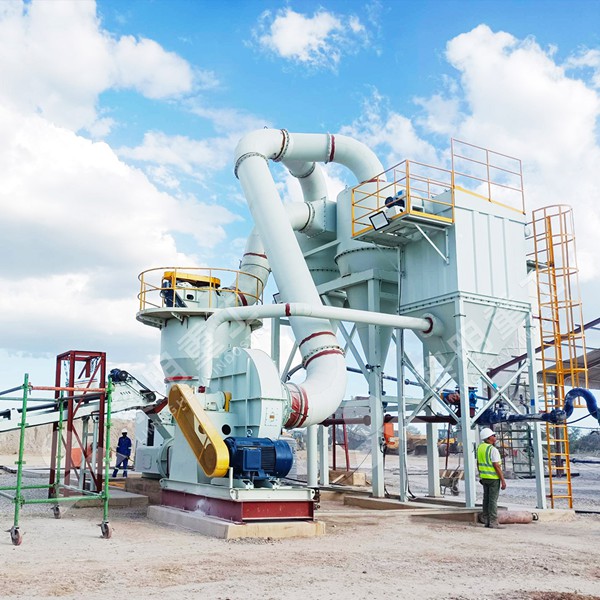
The entire grinding system operates on a closed-loop principle to ensure efficiency and environmental safety. Initially, large calcium carbonate lumps are crushed to the required size by a jaw crusher. The crushed material is then conveyed to a hopper by an elevator. A vibrating feeder, often with a variable-frequency drive, feeds the material evenly into the grinding mill. Inside the mill, the material is ground between rollers and the ring, with air flow carrying the fine particles upward to the separator (classifier). Particles that are too coarse fall back for re-grinding, while fine particles pass through and are collected as finished product. The air stream then returns to the blower for recycling, maintaining a closed system. The pulse dust collector ensures that emissions comply with environmental regulations.
Applications and Benefits
Ultra fine calcium carbonate powder finds widespread use in the plastics industry as a filler to improve rigidity and reduce cost; in the rubber industry to enhance tensile strength; in paints and coatings for opacity and brightness; in papermaking as a coating pigment; and in pharmaceuticals as a calcium supplement base. The key benefits of a Liming Heavy Industry ultra fine grinding plant include: precise fineness control (adjustable between 325 and 3250 mesh), high capacity with low energy consumption per ton, automated operation requiring minimal manual intervention, and compliance with strict environmental standards thanks to pulse dust collectors.
Additionally, the company’s commitment to R&D ensures that each plant is optimized for the specific material characteristics, throughput requirements, and local conditions. With headquarters in Zhengzhou’s Hi-Tech Zone and a large workshop in Shangjie, Liming Heavy Industry provides comprehensive after-sales support, including installation, training, and spare parts supply.
Conclusion
Investing in an ultra fine calcium carbonate grinding plant is a strategic decision for companies aiming to produce high-value-added minerals. With proven technology, robust equipment like the MW Micro Powder Mill and LM Vertical Roller Mill, and decades of industry experience, Liming Heavy Industry delivers reliable and efficient solutions. Whether for small-scale production or large industrial operations, these plants are designed to meet the most demanding specifications while ensuring operational safety and environmental responsibility.
Frequently Asked Questions
- What is the typical fineness achievable with an ultra fine calcium carbonate grinding plant? The plant can produce powders with fineness ranging from 325 mesh (44μm) to 3250 mesh (approximately 5μm), with the MW Micro Powder Mill achieving d97 ≤ 5μm.
- Which mill is best for producing very fine calcium carbonate powder? For ultra fine grinding, the MW Micro Powder Mill is recommended due to its ability to reach superfine levels (down to 5μm). For larger capacities, the LM Vertical Roller Mill can be used with a classifier.
- How does the plant control dust and ensure environmental compliance? The system is equipped with a pulse dust collector and operates in a closed loop. Air is recycled, and fine particles are captured, meeting national environmental protection standards.
- Can the plant handle materials other than calcium carbonate? Yes, the mills can process various non-metallic minerals, gypsum, coal, and other materials with Mohs hardness below 7 and moisture under 6%, though specific configurations may vary.
- What is the power consumption of an ultra fine grinding plant? Power consumption depends on the mill type, capacity, and fineness. Modern mills like the MW Micro Powder Mill are designed for energy efficiency, but exact figures depend on the specific plant setup and material characteristics.


