Published on: October 26, 2023
In the production of asphalt filler, finely ground limestone powder serves as a critical component that enhances the adhesion, durability, and performance of asphalt mixtures. Selecting the right grinding mill for limestone powder processing is essential to achieve the desired fineness, particle size distribution, and production efficiency. Liming Heavy Industry Co., Ltd., with over three decades of expertise in manufacturing crushing and grinding equipment, offers a comprehensive range of mills specifically engineered for limestone powder production used in asphalt filler applications. From vertical roller mills to Raymond mills, European type trapezium mills, micro powder mills, and ball mills, each system is designed to meet stringent industry standards for consistency, throughput, and environmental compliance. This article explores the technical considerations, equipment options, and operational advantages of using limestone powder grinding mills for asphalt filler, providing actionable insights for producers seeking to optimize their processes.
Limestone powder is a predominant mineral filler in asphalt concrete, typically required to have at least 70% passing a 75-micron sieve and a plasticity index below 4 to ensure proper bonding with bitumen. The grinding process must therefore achieve a fine, uniform particle size while minimizing energy consumption and dust emissions. Liming Heavy Industry's mills are built to handle limestone with a Mohs hardness of 3–4 and moisture content up to 6%, making them ideal for this application. The company's headquarters in Zhengzhou's HI-TECH Industry Development Zone spans 80,000 m², with an additional 67,000 m² workshop in Shangjie Industry Park, housing advanced manufacturing capabilities that ensure precision engineering and reliable performance.
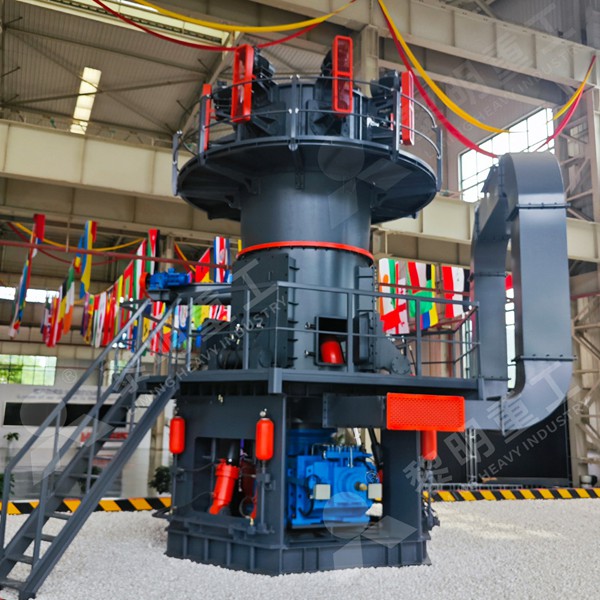
For large-scale asphalt filler production, the LM Vertical Roller Mill is a top-tier choice, integrating drying, grinding, powder selection, and conveying in a single unit. With a capacity range of 10–400 T/H and an input size of 30–55 mm, this mill uses a unique roller and table design to grind limestone into fine powder with a fineness of 80–400 mesh. The automatic electric control system maintains stable operation, while the integrated classifier ensures that oversized particles are returned for regrinding, guaranteeing consistent product quality. This mill is particularly suited for non-metallic minerals like limestone, where high throughput and low energy consumption are critical. For smaller operations or those requiring finer powders, the Raymond Mill offers a proven solution with a capacity of 1.2–4.5 T/H and output fineness between 613 μm and 44 μm. Its durable grinding rollers and ring are suitable for non-flammable, non-explosive materials under Mohs 7 and humidity below 6%, making it a reliable workhorse for asphalt filler plants with moderate production demands.
The MTW European Type Trapezium Mill represents an upgrade from traditional Raymond mills, incorporating patented technology for enhanced productivity and environmental protection. With a capacity of 3–55 T/H and an input size of 30–50 mm, this mill is designed for large-scale non-metallic mineral powder making, including limestone for asphalt filler. Its working principle involves a closed-loop system where limestone is first crushed by a jaw crusher to the required size, then fed into the mill via a variable-frequency belt feeder. Inside, material is ground between the ring and rollers, and particles are lifted by airflow to the separator. Oversize particles fall back for regrinding, while fines are collected as finished product. The pulse dust collector ensures compliance with national environmental standards, capturing fine dust and reducing airborne emissions. This mill is ideal for power plant desulfurization and heavy calcium carbonate processing, delivering consistent fineness and high capacity for asphalt filler applications.
For ultra-fine limestone powder, the MW Micro Powder Mill excels, achieving a finished product fineness of d97 ≤ 5 μm, adjustable between 325 mesh and 3250 mesh. Its capacity ranges from 0.5 to 25 T/H with an input size of 10–20 mm, making it suitable for specialty asphalt fillers requiring superfine particles. The mill operates by driving dozens of rollers to rotate against a raceway ring, crushing pre-crushed limestone into powder. Equipped with a pulse precipitator, it meets green production standards, and its adjustable fineness allows producers to tailor the limestone powder to specific asphalt filler formulations. The Ball Mill, another versatile option, is widely used in cement, beneficiation, and construction materials, with a capacity of 0.65–50 T/H and input size ≤ 25 mm. Its horizontal rotating design uses steel balls to impact and grind limestone, suitable for both wet and dry processing. For asphalt filler, the ball mill can achieve a fineness of 80–400 mesh, though it typically requires more energy than roller mills for the same output.
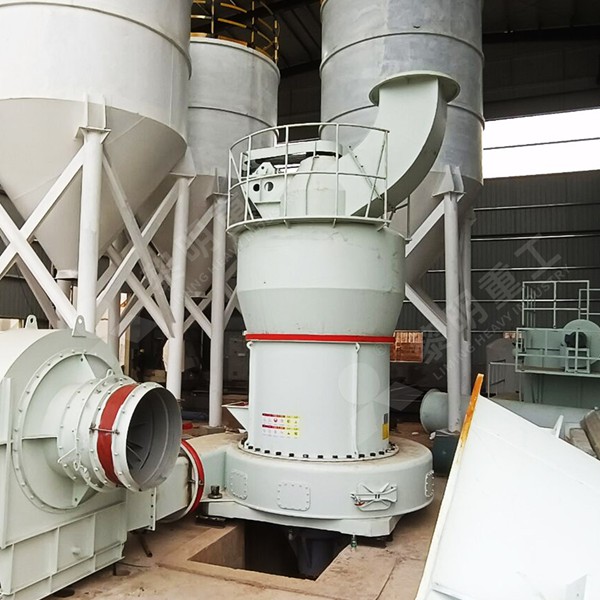
When choosing a limestone powder grinding mill for asphalt filler, key factors include required throughput, target fineness, moisture content, and plant footprint. Liming Heavy Industry's scientific research team focuses on improving product competitiveness through technological innovation, targeting industry frontiers in non-metallic minerals, coal, and slag processing. For example, the LM Vertical Mill's integrated design reduces installation space and maintenance costs, while the MTW Mill's trapezium table and roller profile maximize grinding efficiency. All mills are engineered with robust components, such as wear-resistant liners and automatic lubrication systems, to minimize downtime in continuous operation. Additionally, the company's adherence to modern scientific management ensures that each mill meets precision manufacturing standards, backed by global service support.
Operational best practices include pre-crushing limestone to the mill's specified input size using a jaw crusher, as oversized feed can strain the grinding mechanism. Variable-frequency drives on feeders and classifiers allow for fine-tuning of feed rates and particle size distribution, enabling producers to adjust product quality in response to asphalt filler specifications. Regular maintenance of classifiers, separators, and dust collectors is crucial to maintain efficiency and comply with environmental regulations. Liming's mills are designed for ease of maintenance, with accessible grinding chambers and modular components that simplify part replacement. Over the past 30 years, the company has become a leader in domestic and overseas machinery manufacturing, with installations worldwide serving industries from cement to power generation.
In summary, the selection of a limestone powder grinding mill for asphalt filler should align with production scale and quality requirements. For high-capacity plants, the LM Vertical Roller Mill or MTW European Type Trapezium Mill offers the best balance of throughput and energy efficiency. For smaller operations or niche ultra-fine products, the Raymond Mill or MW Micro Powder Mill provides flexibility and precision. Liming Heavy Industry's comprehensive product line, combined with its commitment to research and development, ensures that asphalt filler producers have access to reliable, high-performance grinding solutions. By integrating these mills into their processes, producers can achieve consistent limestone powder quality, enhance asphalt performance, and meet stringent environmental standards.
Frequently Asked Questions (FAQ)
- What is the ideal fineness of limestone powder for asphalt filler? The typical specification for limestone powder used in asphalt filler requires at least 70% passing a 75-micron sieve (200 mesh) to ensure proper bonding with bitumen and improve pavement durability.
- Can Liming grinding mills handle high-moisture limestone for asphalt filler? Yes, Liming mills are designed to process limestone with moisture content up to 6%. For higher moisture levels, the LM Vertical Roller Mill integrates drying within the grinding process to reduce moisture effectively.
- What maintenance is required for a limestone powder grinding mill in continuous operation? Routine maintenance includes inspecting grinding rollers and rings for wear, cleaning air classifiers and dust collectors, and lubricating bearings. Liming mills feature accessible components to minimize downtime.
- Which Liming mill is most energy-efficient for large-scale asphalt filler production? The LM Vertical Roller Mill offers the highest energy efficiency for capacities above 10 T/H, due to its integrated grinding, drying, and classification system that reduces energy consumption by up to 30% compared to traditional ball mills.
- How does the MTW European Type Trapezium Mill differ from a traditional Raymond mill? The MTW mill uses a trapezium-shaped table and rollers for higher grinding efficiency, a patented separator for finer particle control, and a closed-loop system with pulse dust collection for better environmental compliance, making it an upgrade for higher-capacity and stricter emission requirements.


