Published: October 26, 2023
In the demanding field of metallurgy, the grinding of limestone is not merely a preparatory step; it is a critical process that directly influences the efficiency of slag conditioning, flux production, and desulfurization. Liming Heavy Industry, a global leader with over three decades of engineering excellence, offers a comprehensive range of limestone grinding mills tailored for metallurgical applications. From the high-capacity LM Vertical Roller Mill to the ultra-fine MW Micro Powder Mill, our solutions are designed to deliver consistent particle size distribution, low energy consumption, and robust durability in the harshest industrial environments. This article explores the technical capabilities, operational principles, and application-specific advantages of our grinding equipment, providing metallurgical engineers and plant managers with the insights needed to optimize their comminution circuits.
The Role of Limestone in Metallurgy
Limestone serves as a fundamental raw material in metallurgical processes. In steelmaking, it acts as a flux to remove impurities such as sulfur, phosphorus, and silica from molten iron. The quality of the limestone powder directly impacts the speed and completeness of slag formation, which in turn affects the final steel grade and production cycle. Grinding limestone to a fine, uniform powder ensures maximum surface area for chemical reactions, reduces energy consumption in furnaces, and minimizes waste. For these reasons, selecting the right grinding mill is essential for any metallurgical plant aiming to achieve high throughput and consistent product quality.
Key Limestone Grinding Mills for Metallurgy
Liming Heavy Industry’s product portfolio includes several mill types that are well-suited for metallurgical limestone grinding. Each machine offers distinct advantages depending on the required fineness, capacity, and material characteristics.
LM Vertical Roller Mill
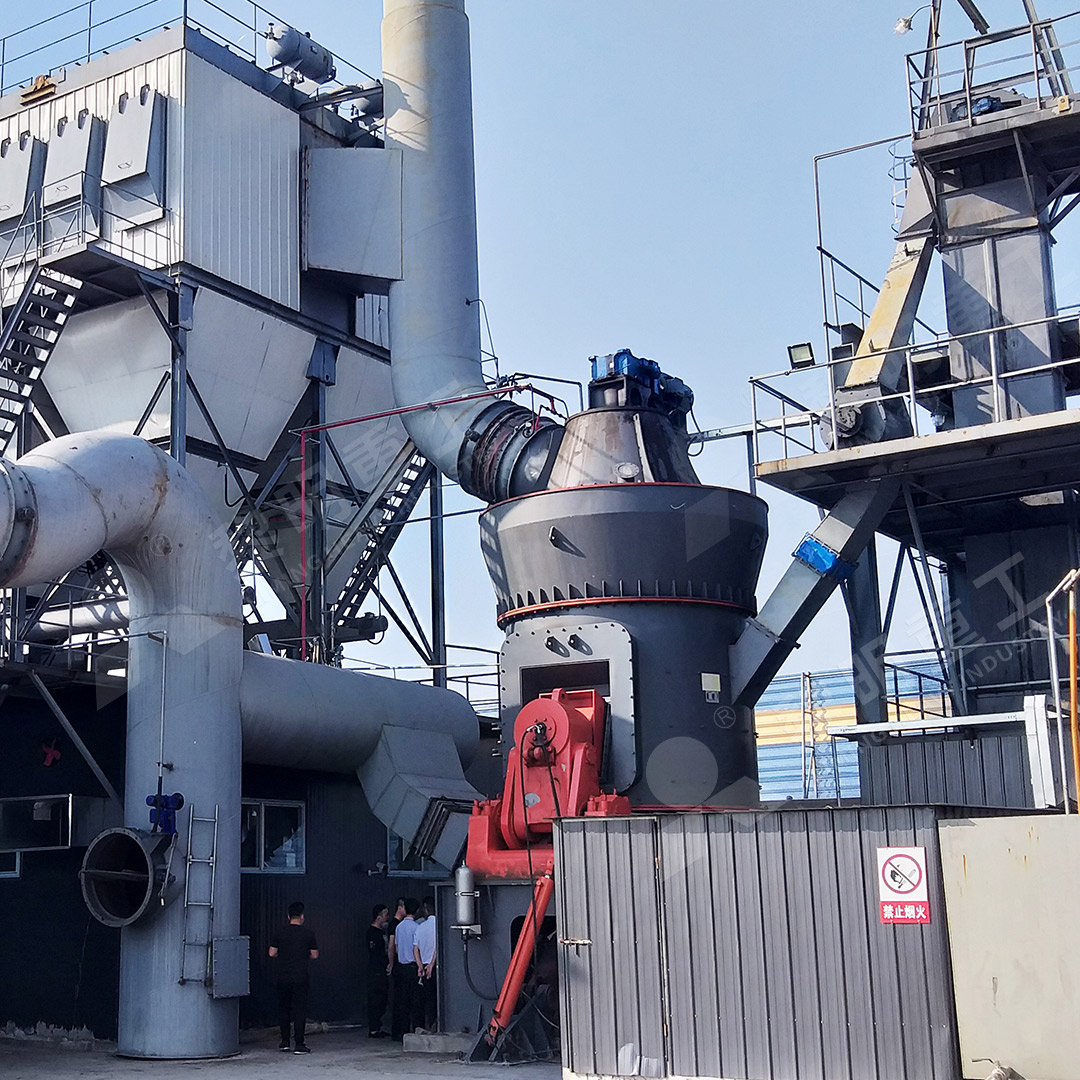
The LM Vertical Roller Mill is an advanced grinding system that integrates drying, grinding, powder selection, and conveying into one unit. It is particularly effective for large-scale metallurgical operations, with a capacity range of 10–400 T/H and an input size of 30–55 mm. The mill employs a unique roller and table design that ensures efficient material bed grinding, reducing energy consumption by up to 30% compared to traditional ball mills. The automatic electric control system allows precise adjustment of product fineness, making it ideal for producing limestone powder with a specific surface area suitable for slag conditioning and desulfurization in steel plants.
MTW European Type Trapezium Mill
The MTW European Type Trapezium Mill is the upgrade product of traditional Raymond and pendulum mills. It has a capacity of 3–55 TPH and accepts feed sizes up to 30–50 mm. This mill is engineered for high productivity and environmental compliance, featuring a patented trapezium-shaped roller and ring that improve grinding efficiency and prolong service life. In metallurgical applications, the MTW mill is commonly used for processing limestone for power plant desulfurization and heavy calcium carbonate production. Its closed-loop system, equipped with a pulse dust collector, ensures that the operation meets national environmental standards. The working principle involves a jaw crusher reducing large limestone blocks, which are then fed via a variable-frequency belt feeder into the mill. Material is ground between the ring and rollers, classified by a separator, and collected as finished product, while oversize particles are returned for regrinding.
Raymond Mill
Raymond Mill remains a reliable workhorse for smaller-scale metallurgical operations or as a secondary grinding unit. With a capacity of 1.2–4.5 T/H and an input size of 15–25 mm, it is suitable for grinding non-flammable and non-explosive materials with Mohs hardness under 7 and humidity below 6%. The output fineness ranges from 613 μm to 44 μm, allowing flexibility for various metallurgical processes. This mill is often employed for calcium carbonate processing, gypsum crushing, and pulverized coal preparation in metal production facilities. Its simple structure and low maintenance requirements make it a cost-effective solution for plants with limited space or budget.
MW Micro Powder Mill
For metallurgical applications requiring superfine limestone powder, the MW Micro Powder Mill is the ideal choice. This medium-speed micro-grinding mill, incorporating advanced Swedish grinding technology, can produce finished products up to d97 ≤ 5 μm, with fineness adjustable between 325 mesh and 3250 mesh. Its capacity ranges from 0.5 to 25 T/H, and it accepts feed sizes of 10–20 mm. The mill is equipped with a pulse precipitator for dust control, ensuring a greener production environment. In metallurgy, superfine limestone is used in specialized flux formulations and high-performance desulfurization agents. The working mechanism involves a motor driving a main shaft and turnplate, which rotates dozens of rollers against a raceway ring. Pre-crushed material is fed via a vibrating feeder and ground into ultra-fine powder under centrifugal force.
Ball Mill
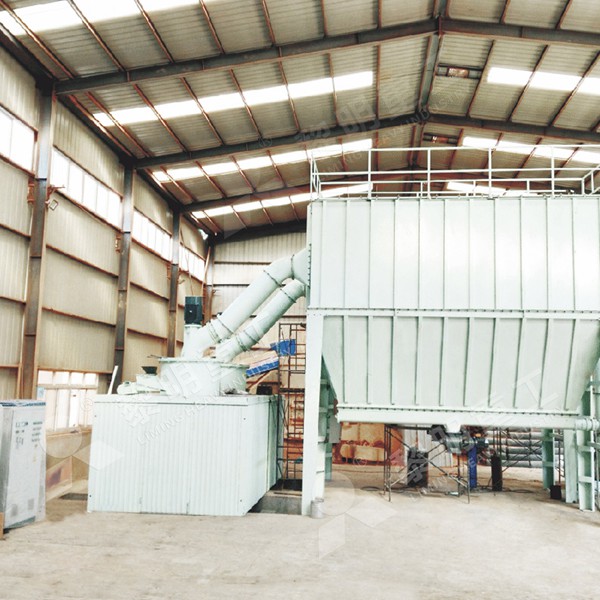
The Ball Mill is a classic grinding device widely used in metallurgy, beneficiation, and construction. It has a capacity of 0.65–50 T/H and accepts materials with a feed size ≤ 25 mm. The mill operates on a horizontal rotating drum transmitted by an outer gear. Inside, steel balls of varying sizes are lifted by centrifugal force, then fall to impact and grind the limestone. The liner can be ladder or ripple type to optimize grinding efficiency. For metallurgy, ball mills are often used for wet or dry grinding of limestone for cement, coal, and power plant desulfurization. While not as energy-efficient as vertical roller mills, ball mills offer simplicity and versatility, especially when processing smaller batches or mixed materials.
Selecting the Right Mill for Your Metallurgical Operation
Choosing the correct limestone grinding mill depends on several factors:
- Capacity requirements: Large-scale operations should consider LM Vertical Roller Mill (10–400 T/H) or MTW Mill (3–55 T/H). For smaller throughput, Raymond Mill (1.2–4.5 T/H) or Ball Mill (0.65–50 T/H) are suitable.
- Fineness specifications: For standard metallurgical flux (80–200 mesh), MTW or Raymond mills work well. For superfine applications (325–3250 mesh), the MW Micro Powder Mill is essential.
- Material properties: Limestone hardness (typically 3–4 Mohs) and moisture content (usually below 6%) are well within the operational limits of all our mills. For high-humidity materials, the LM mill’s integrated drying capability is advantageous.
- Environmental compliance: All Liming mills can be equipped with pulse dust collectors and closed-loop systems to meet strict emission standards.
Liming Heavy Industry also offers customized solutions, including mill configuration, auxiliary equipment (jaw crushers, vibrating feeders, hoppers, electric cabinets), and on-site commissioning support. With a history spanning over 30 years and a modern manufacturing base covering 147,000 m², we have the expertise and infrastructure to deliver reliable grinding systems.
Frequently Asked Questions (FAQ)
1. Can the LM Vertical Roller Mill handle limestone with high moisture content for metallurgy?
Yes. The LM Vertical Roller Mill has an integrated drying system that can handle materials with up to 15–20% moisture content, making it ideal for metallurgical limestone that may be exposed to wet storage conditions.
2. What is the typical power consumption per ton of limestone ground in the MTW European Type Trapezium Mill?
Power consumption varies with feed size and target fineness but typically ranges from 20–30 kWh per ton for limestone ground to 200 mesh. The MTW mill’s efficient trapezium design helps reduce energy use compared to traditional mills.
3. Can the MW Micro Powder Mill produce limestone powder for direct injection into steel furnaces?
Absolutely. The MW mill can achieve a fineness of d97 ≤ 5 μm, which is suitable for high-performance desulfurization and flux injection processes in modern steelmaking.
4. What after-sales support does Liming Heavy Industry offer for metallurgical grinding mills?
We provide comprehensive support including installation guidance, operator training, spare parts supply, and remote troubleshooting. Our global service network ensures minimal downtime for your metallurgical operations.
5. Are your grinding mills suitable for grinding other minerals besides limestone in metallurgy?
Yes. All our mills can process a range of non-metallic minerals such as gypsum, calcium carbonate, coal, and slag, which are commonly used in metallurgical processes. Specific wear parts can be customized for abrasive materials.
For more information or to request a tailored quotation, please contact Liming Heavy Industry’s technical sales team. We are committed to providing the most efficient, durable, and environmentally responsible grinding solutions for the metallurgy sector.


