Published on: October 26, 2023
Heavy calcium carbonate powder making machines are essential equipment in the mineral processing industry, designed to transform raw limestone, marble, or calcite into fine, high-purity powders used across a wide range of applications, from construction and plastics to pharmaceuticals and agriculture. At Liming Heavy Industry, we specialize in manufacturing advanced grinding mills that deliver superior performance, energy efficiency, and environmental compliance. Our portfolio includes vertical roller mills, Raymond mills, European trapezium mills, micro powder grinding mills, and ball mills—each engineered to meet specific capacity, fineness, and material requirements. This article provides a detailed overview of heavy calcium carbonate powder production, focusing on the technology, operational principles, and benefits of our cutting-edge machines, ensuring you can make an informed decision for your processing needs.
Understanding Heavy Calcium Carbonate and Its Applications
Heavy calcium carbonate (GCC) is produced by mechanically grinding natural calcium carbonate minerals. Unlike precipitated calcium carbonate (PCC), GCC retains the original crystal structure of the source material, offering high brightness, low abrasion, and excellent chemical stability. These properties make it indispensable in industries such as:
- Construction: As a filler in cement, concrete, and asphalt to improve strength and durability.
- Plastics and Rubber: Enhancing stiffness, reducing shrinkage, and lowering production costs.
- Paints and Coatings: Providing opacity, whiteness, and weather resistance.
- Paper Manufacturing: Improving brightness and printability.
- Agriculture: Adjusting soil pH and supplying calcium nutrients.
To meet these diverse demands, the grinding equipment must deliver consistent particle sizes, often ranging from 44 μm (325 mesh) to as fine as 5 μm (2500 mesh). Our machines are designed to achieve these specifications while minimizing energy consumption and environmental impact.
Key Powder Making Machines for Heavy Calcium Carbonate
1. LM Vertical Roller Mill
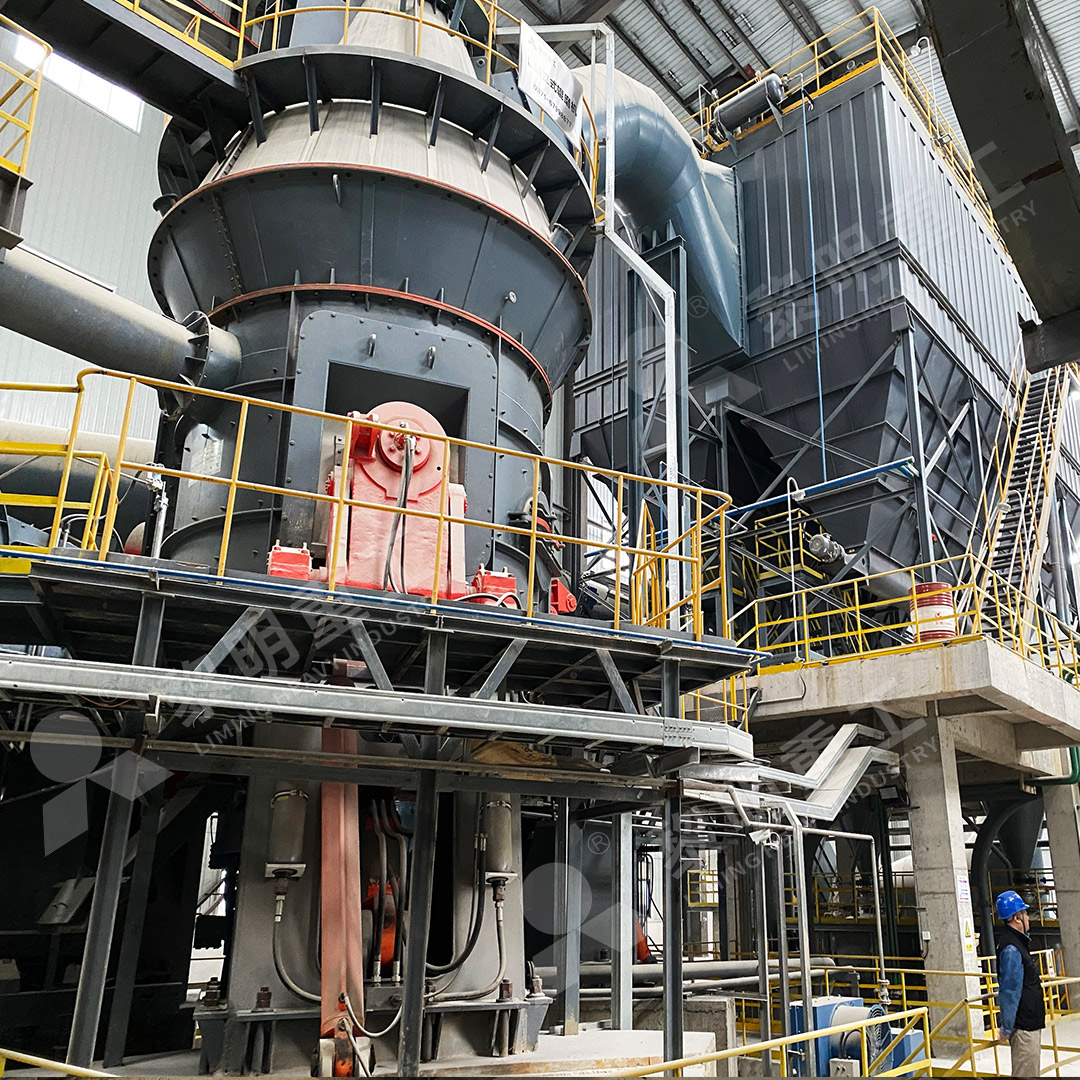
The LM Vertical Roller Mill integrates crushing, grinding, drying, and powder selection into a single unit. It is ideal for large-scale production, with capacities from 10 to 400 T/H and input sizes up to 55 mm. This mill is particularly suited for non-metallic minerals, coal, and slag, making it a top choice for heavy calcium carbonate processing in cement, power, and metallurgy industries. Its advanced electric control system ensures stable operation and precise fineness adjustment.
2. Raymond Mill
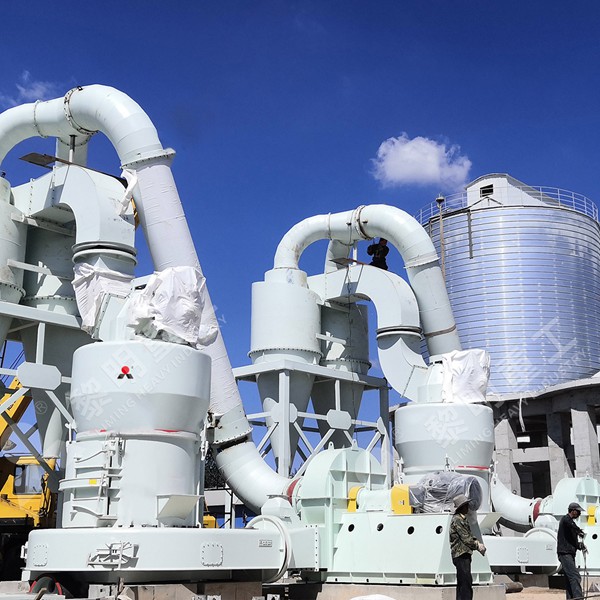
For medium-scale operations, the Raymond Mill remains a classic workhorse. It processes materials with Mohs hardness under 7 and humidity below 6%, delivering fineness between 613 μm and 44 μm. With a capacity of 1.2 to 4.5 T/H and input size of 15-25 mm, it is widely used for calcium carbonate crushing, gypsum processing, and desulfurization. Its simple structure and low maintenance costs make it a reliable choice for small to medium enterprises.
3. MTW European Type Trapezium Mill
As an upgrade from traditional Raymond and pendulum mills, the MTW European Type Trapezium Mill features patented technology for high productivity and environmental friendliness. It handles capacities from 3 to 55 TPH and input sizes of 30-50 mm. This mill excels in large-scale non-metallic mineral powder making, including heavy calcium carbonate. The closed-loop system with pulse dust collector ensures zero dust emission, aligning with strict environmental standards.
4. MW Micro Powder Mill
When ultra-fine powder is required, the MW Micro Powder Mill (also known as medium-speed micro-grinding mill) is the solution. Incorporating advanced Swedish grinding technology, it produces powders down to d97 ≤ 5 μm (325-3250 mesh). With a capacity of 0.5 to 25 T/H and input size of 10-20 mm, it is perfect for high-value applications like pharmaceuticals, advanced ceramics, and specialty coatings. The pulse precipitator ensures green production.
5. Ball Mill
For traditional grinding needs, the Ball Mill is a versatile option. It operates as a horizontal rotating device, grinding materials between steel balls and the chamber lining. Capacities range from 0.65 to 50 T/H, with input sizes up to 25 mm. It is commonly used in cement, coal desulfurization, and construction material processing. While it may have higher energy consumption than vertical mills, it remains a cost-effective solution for many operations.
Working Principle: From Raw Material to Finished Powder
All our grinding machines follow a similar operational flow, though with unique mechanisms. Taking the MTW European Type Trapezium Mill as an example:
- Crushing: Large limestone lumps are first crushed by a jaw crusher to the required size.
- Feeding: A variable-frequency belt feeder ensures even, continuous material flow into the mill.
- Grinding: Materials are ground between the ring and rollers, while air flow carries finer particles upward.
- Classification: A separator allows only particles below the set cut point to pass; oversized particles return for regrinding.
- Collection: Fine powder is captured in a dust collector, while clean air is recycled via the blower in a closed circuit.
This closed-loop system minimizes material loss and energy waste, achieving high efficiency and consistent product quality.
Why Choose Liming Heavy Industry?
Founded in 1987, Liming Heavy Industry Co., Ltd. has over three decades of experience in manufacturing large and medium-sized crushing and grinding equipment. Our headquarters in Zhengzhou's Hi-Tech Zone spans 80,000 m², with an additional 67,000 m² workshop in Shangjie Industry Park. We adhere to modern scientific management and continuous innovation, making us a leader in the machinery industry. Our R&D focuses on improving product competitiveness through technological breakthroughs, integrating production, learning, and research.
Key Benefits of Our Heavy Calcium Carbonate Powder Making Machines
- High Efficiency: Advanced grinding mechanisms reduce energy consumption by up to 30% compared to traditional mills.
- Environmental Compliance: Pulse dust collectors and closed-loop systems meet national emission standards.
- Versatility: Machines handle various feed sizes, moisture levels, and hardness, with adjustable fineness.
- Automation: Electric control systems enable precise monitoring and operation with minimal manual intervention.
- Durability: Wear-resistant materials extend machine life and reduce maintenance downtime.
Conclusion
Selecting the right heavy calcium carbonate powder making machine is crucial for optimizing production efficiency, product quality, and environmental responsibility. At Liming Heavy Industry, we offer a comprehensive range of mills—from the high-capacity LM Vertical Roller Mill to the ultra-fine MW Micro Powder Mill—each backed by decades of expertise and innovation. Whether you need coarse powder for construction or superfine powder for high-tech applications, our solutions are tailored to your requirements. Contact us today to discuss your specific needs and experience the Liming difference.
Frequently Asked Questions (FAQ)
1. What is the typical fineness range for heavy calcium carbonate powder from your machines?
Our machines can produce fineness from 613 μm (25 mesh) down to d97 ≤ 5 μm (approximately 2500 mesh), depending on the model. For example, the Raymond Mill covers 613-44 μm, while the MW Micro Powder Mill reaches 325-3250 mesh.
2. Which machine is best for producing fine powder below 10 μm?
The MW Micro Powder Mill is specifically designed for ultra-fine grinding, achieving d97 ≤ 5 μm. It is ideal for applications requiring extremely fine particles, such as high-grade coatings and pharmaceuticals.
3. How do you ensure environmental compliance during grinding?
Our mills, especially the MTW European Type Trapezium Mill and MW Micro Powder Mill, are equipped with pulse dust collectors and closed-loop air systems. These features capture dust and recycle air, meeting stringent environmental standards.
4. What is the maximum capacity for heavy calcium carbonate powder production?
The LM Vertical Roller Mill offers the highest capacity, ranging from 10 to 400 T/H. This makes it suitable for large-scale industrial operations like cement plants and power stations.
5. Do your machines require special maintenance for heavy calcium carbonate processing?
Maintenance is straightforward due to durable components. We recommend regular inspection of grinding rollers, rings, and classifier blades. Our machines are designed for easy access, and we provide comprehensive manuals and support to minimize downtime.


