In the plastic industry, ground limestone (calcium carbonate) is a widely used functional filler that enhances product rigidity, improves surface finish, reduces production costs, and optimizes processing characteristics. Selecting the right limestone grinding mill is critical to achieving the precise particle size distribution, controlled fineness, and consistent throughput required for high-quality plastic masterbatch, PVC profiles, pipes, films, and injection-molded parts. As a leading manufacturer of large and medium-sized grinding equipment since 1987, Liming Heavy Industry Co., Ltd. offers a comprehensive range of mills—from Raymond mills and European type trapezium mills to vertical roller mills, micro powder mills, and ball mills—each engineered to deliver superior grinding performance, energy efficiency, and reliability. With over 30 years of innovation, a modern 80,000 m² headquarter in Zhengzhou High-Tech Zone, and an additional 67,000 m² workshop in Shangjie, our company has become a trusted partner for plastic processors worldwide. This article explores how Liming Heavy Industry's limestone grinding solutions can elevate your production line, reduce operational costs, and ensure consistent product quality.
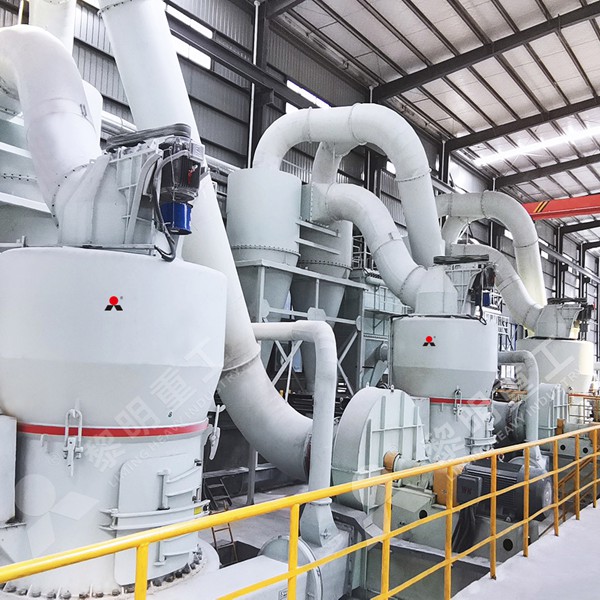
Why Limestone Matters in Plastic Manufacturing
Calcium carbonate (CaCO₃) is the most common mineral filler used in plastics, accounting for over 70% of all filler applications in this sector. When ground to the proper fineness—typically between 200 mesh (74 μm) and 1250 mesh (10 μm) for standard applications, or finer to 3250 mesh (4 μm) for specialty masterbatches—limestone improves dimensional stability, increases impact resistance, enhances whiteness and opacity, and lowers overall material costs. However, the performance of calcium carbonate directly depends on the grinding process: uneven particle size, excessive coarse fractions, or contamination can cause poor dispersion, reduced mechanical properties, and processing issues such as die buildup or uneven film thickness. A reliable, high-efficiency grinding mill is therefore the foundation of a profitable plastic compounding operation.
Liming Heavy Industry's Grinding Mill Portfolio for Limestone
1. MTW European Type Trapezium Mill
For plastic manufacturers requiring a balance between capacity, fineness, and energy consumption, the MTW European Type Trapezium Mill is an excellent choice. As the upgraded successor to traditional Raymond mills and pendulum mills, the MTW series incorporates patented technology that ensures stable performance, high productivity, and environmental compliance. Its working principle is a closed-loop system: large limestone lumps are first crushed by a jaw crusher to 30-50 mm, then fed via a variable-frequency belt feeder into the mill. Inside, materials are ground between the ring and rollers, lifted by airflow, classified by a separator, and coarse particles are returned for regrinding while fine powder is collected as finished product. The system is equipped with a pulse dust collector meeting national environmental standards, making it ideal for plastic factories that must control airborne dust. With a capacity range of 3-55 TPH and input size of 30-50 mm, the MTW mill is suitable for medium-to-large-scale limestone powder production for rigid PVC, pipe-grade compounds, and injection molding.
2. Raymond Mill
For smaller operations or applications where finer control over a narrower fineness range is needed, the classic Raymond mill remains a cost-effective solution. It processes non-flammable, non-explosive materials with Mohs hardness under 7 and humidity below 6%—limestone easily meets these criteria. Output fineness can be adjusted between 613 μm (30 mesh) and 44 μm (325 mesh), covering the most common grades for plastic fillers. With a capacity of 1.2-4.5 TPH and input size of 15-25 mm, the Raymond mill is ideal for pilot plants, small masterbatch producers, or polypropylene compounding lines where throughput is moderate but consistency is critical. Its simple design and easy maintenance make it a favorite among startups and established players alike.
3. LM Vertical Roller Mill
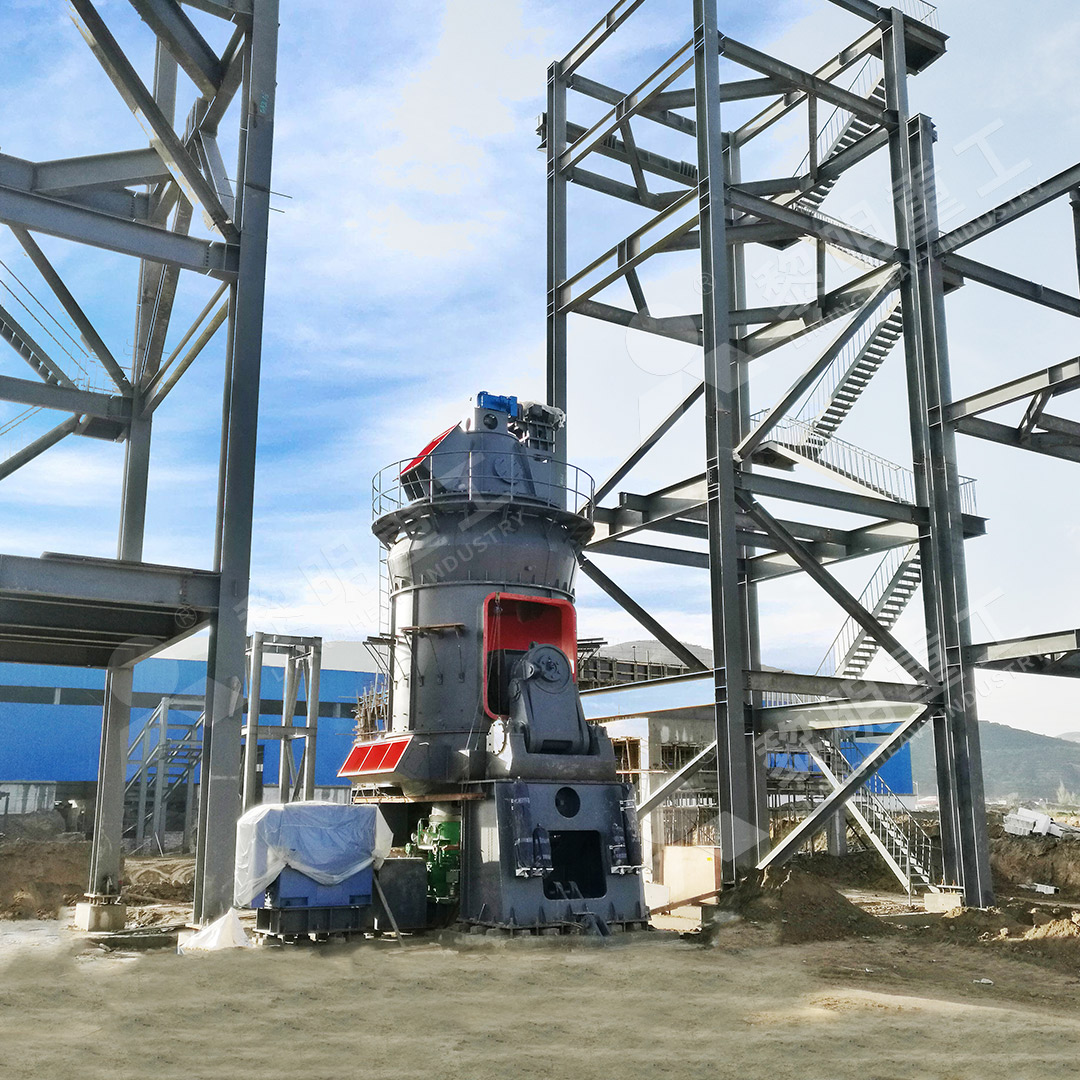
When the demand for limestone powder reaches industrial scale—for example, in large masterbatch factories or integrated plastic pipe extrusion plants—the LM Vertical Roller Mill offers unparalleled efficiency. Integrating drying, grinding, powder selection, and pneumatic conveying into one unit, the LM mill reduces energy consumption by 30-50% compared to ball mills. It accepts feed sizes up to 30-55 mm and delivers a capacity of 10-400 T/H, with fineness adjustable from 200 mesh to finer grades depending on separator settings. The vertical mill's innovative milling device and automatic electric control system ensure stable operation even under variable feed conditions, making it a future-proof investment for plastic industry leaders aiming for zero-defect production.
4. MW Micro Powder Mill
For ultra-fine limestone powders (d97 ≤ 5 μm, adjustable from 325 mesh to 3250 mesh), the MW Micro Powder Mill is the specialist. Based on advanced Swedish grinding technology, this medium-speed micro-grinding mill excels in superfine processing, delivering powders that are essential for high-end plastic applications such as breathable films, high-gloss masterbatches, and clear polyolefin compounds. With a capacity of 0.5-25 T/H and input size of 10-20 mm, it is equipped with a pulse precipitator for a greener, cleaner production environment. The working principle involves a motor driving the main shaft and turnplate through a reducer, causing dozens of rollers to rotate against a raceway ring; small crushed material is fed by a vibrating feeder and ground to ultrafine particles. This mill is the go-to choice for plastic manufacturers who compete on product differentiation and require ultra-high whiteness and uniform particle shape.
5. Ball Mill
The ball mill remains a versatile workhorse for applications where a wide particle size distribution is acceptable or where simultaneous grinding and blending of multiple components is needed. Widely used in beneficiation, construction, and chemical industries, the ball mill is also suitable for limestone grinding in plastic filler production, especially when the target fineness is around 100-200 mesh for low-cost general-purpose compounds. With a capacity of 0.65-50 T/H and input size ≤ 25 mm, the horizontal rotating device utilizes steel balls lifted by centrifugal force to impact and grind the material. While less energy-efficient than vertical or trapezium mills, the ball mill offers simplicity, low capital cost, and proven reliability that many small-to-medium plastic processors appreciate.
Key Considerations When Choosing a Limestone Mill for Plastics
To select the optimal mill for your plastic production line, evaluate the following parameters:
- Target Fineness: Standard filler (200-400 mesh) vs. fine (600-1250 mesh) vs. ultra-fine (2500-3250 mesh). MTW and Raymond mills cover the first range; MW Micro Powder Mill covers the ultrafine range.
- Throughput Requirement: From 1 TPH for small lines to 400 TPH for large masterbatch plants. Build redundancy if your production cannot tolerate downtime.
- Moisture Content: Limestone from quarries often contains 1-5% moisture; the LM Vertical Mill can dry in-line, reducing pre-processing steps.
- Energy Costs: Vertical roller mills and MTW mills are more energy-efficient than ball mills, lowering operational expenses over the equipment's lifespan.
- Environmental Compliance: All Liming mills can be equipped with pulse dust collectors, meeting stringent emission norms in Europe, North America, and Asia.
Conclusion: Why Leading Plastic Manufacturers Trust Liming Heavy Industry
Backed by three decades of manufacturing excellence, a dedicated scientific research team, and a commitment to continuous innovation, Liming Heavy Industry delivers grinding solutions that directly address the plastic industry's need for consistent, high-quality limestone fillers. Our mills are designed with precision, supported by a global service network, and built to withstand the rigors of 24/7 production. Whether you produce flexible PVC compounds, rigid profiles, masterbatch granules, or engineering plastic composites, we have a limestone grinding mill that fits your process. Contact our engineering team to discuss your specific requirements and arrange a site visit or test grinding.
FAQ: Limestone Grinding Mill for Plastic Industry
- What particle size of limestone is best for plastic masterbatch production? For standard plastic masterbatch, fineness between 325 mesh (44 μm) and 1250 mesh (10 μm) is recommended. For high-gloss or film applications, finer grades up to 2500 mesh (5 μm) or even 3250 mesh (4 μm) may be required to avoid scratches and improve dispersion.
- Can I use one grinding mill for both limestone and other minerals in my plastic plant? Yes, most Liming mills can process multiple non-metallic minerals such as talc, barite, gypsum, and kaolin, provided the material's hardness and moisture content fall within the mill's specifications. Cleaning between product changes is necessary to avoid cross-contamination.
- What is the typical energy consumption per ton of limestone ground to 400 mesh? Energy consumption varies by mill type. A Raymond mill uses approximately 20-30 kWh per ton for 400 mesh limestone, an MTW trapezium mill uses 25-35 kWh per ton, while a vertical roller mill can achieve 15-22 kWh per ton. Ball mills typically consume more, around 30-40 kWh per ton.
- How often does the grinding roller or ring need to be replaced in a limestone mill? For limestone (hardness ≤ 3 Mohs), the wear life of rollers and rings in Raymond and MTW mills is typically 1000-2000 operational hours, depending on feed cleanliness and operating parameters. Vertical roller mill rollers can last 3000-5000 hours due to better material distribution. Regular inspection and preventive maintenance extend service life.
- Does Liming Heavy Industry provide after-sales support and spare parts for plastic industry customers? Absolutely. We offer comprehensive after-sales service including installation supervision, operator training, preventive maintenance programs, and a global network of warehouse for genuine spare parts. Our technical team is available for remote troubleshooting and on-site visits to minimize your production downtime.


