Published on: October 26, 2023
The grinding ring is a critical wear component in Raymond Mill systems, directly impacting operational continuity, maintenance costs, and final product quality, especially in demanding applications like kaolin processing. Its service life is influenced by a complex interplay of material properties, mill design, operating parameters, and maintenance practices. This article delves into the factors determining grinding ring longevity, drawing upon LIMING HEAVY INDUSTRY's extensive engineering expertise in mineral grinding technology. We will explore how advanced manufacturing, optimal material selection, and intelligent operational strategies can significantly extend component life, thereby enhancing overall mill productivity and reliability for kaolin producers.
At the heart of a Raymond Mill's grinding mechanism is the interaction between the grinding rollers and the stationary grinding ring. Kaolin, while relatively soft (typically 1-2 on the Mohs scale), is abrasive. The continuous centrifugal force pressing the rollers against the ring to crush and grind the material subjects the ring surface to gradual wear. The lifespan of this ring is not a fixed number of hours but a variable dependent on several key factors. Firstly, the chemical composition and microstructure of the ring material are paramount. High-chromium cast iron or specially hardened alloy steels, known for their exceptional wear resistance, are industry-preferred choices. LIMING HEAVY INDUSTRY employs precision casting and subsequent heat treatment processes to ensure the grinding rings in our Raymond Mills achieve optimal hardness and toughness, creating a surface that resists abrasion while maintaining structural integrity under cyclical stress.
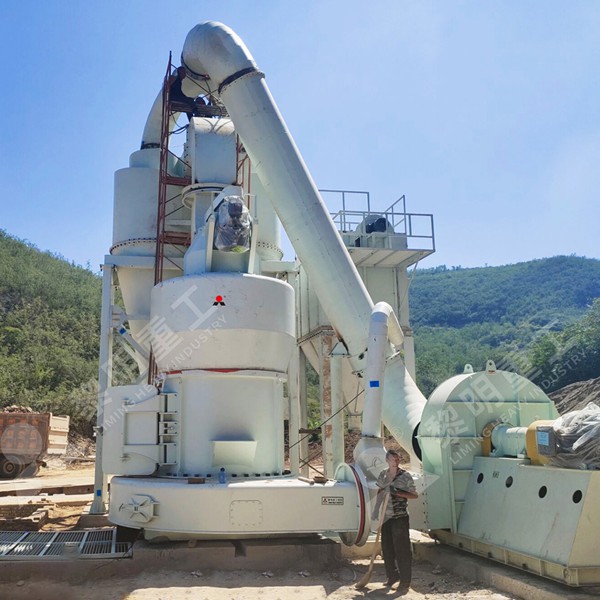
Secondly, the mill's design philosophy profoundly affects component wear. A well-engineered airflow system is crucial. Efficient internal airflow ensures that ground kaolin particles are promptly carried upward to the classifier. If the airflow is insufficient or turbulent, fine particles may recirculate excessively between the roller and ring, creating a cushioning effect that reduces grinding efficiency and accelerates abrasive wear. Conversely, an optimized system minimizes this recirculation, allowing the components to work on fresh feed material more effectively. Furthermore, the geometric design of the ring and roller profile influences pressure distribution and material bed formation. A design that promotes a stable, even material layer can act as a partial buffer, reducing metal-to-metal contact and distributing wear more uniformly across the ring's surface.
Operational practices are equally critical. Consistent and controlled feeding is a cornerstone of long ring life. Overfeeding the mill can cause material buildup, increasing the load on the grinding assembly and potentially leading to premature wear or even damage. Underfeeding, on the other hand, leads to increased direct contact between the rollers and the ring, accelerating wear. Maintaining the correct moisture content of the feed kaolin is also essential. While Raymond Mills can handle materials with up to 6% humidity, excessively wet material can cause clogging and uneven grinding, while very dry, dusty material may not form a proper grinding bed. Regular and systematic maintenance is non-negotiable. This includes monitoring roller wear and adjusting or replacing rollers in a set to maintain balance. Running the mill with unevenly worn rollers creates asymmetric forces on the grinding ring, leading to localized, accelerated wear and reducing its overall service life.
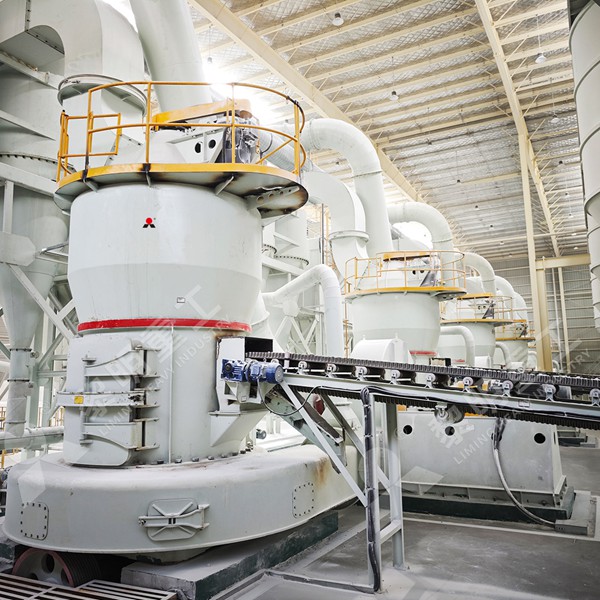
For kaolin processing, where product whiteness and purity are often paramount, the integrity of the grinding ring also indirectly affects product quality. A severely worn or uneven ring can lead to inconsistent grinding fineness and may, in extreme cases, increase the risk of metallic contamination from the wear debris. Therefore, a proactive replacement strategy, based on measured wear rather than catastrophic failure, is a hallmark of professional plant management. LIMING HEAVY INDUSTRY supports this approach by designing our Raymond Mills for maintainability, ensuring that critical wear parts like the grinding ring are accessible and can be replaced with minimal downtime. Our commitment to "precision manufacturing and technological improvement" ensures that every component, down to the grinding ring, is engineered to deliver maximum value over its lifecycle.
In conclusion, maximizing the life of a Raymond Mill grinding ring in kaolin applications is a multifaceted endeavor. It begins with selecting a mill built with high-integrity materials and intelligent design, such as those from LIMING HEAVY INDUSTRY. It is sustained through disciplined operational controls—consistent feed rates, appropriate material moisture, and balanced grinding forces. Finally, it is secured by a disciplined preventive maintenance culture. By understanding and optimizing these factors, kaolin processors can achieve extended operational runs, reduced specific maintenance costs per ton of product, and consistent output quality, turning component durability into a tangible competitive advantage.
Frequently Asked Questions (FAQs)
- What are the primary signs that my Raymond Mill's grinding ring needs replacement?
Key indicators include a noticeable drop in mill output (tons per hour) at constant power, increased vibration or unusual noise from the grinding chamber, and an inability to achieve the target product fineness despite adjusting the classifier, suggesting excessive clearance between rollers and ring. - Can the grinding ring be repaired or resurfaced, or must it always be replaced?
Grinding rings are typically replaced as a whole unit. Attempting to resurface or weld a worn ring is generally not recommended, as it can compromise the material's metallurgical properties, create imbalance, and lead to rapid failure. Replacement with a genuine, properly manufactured ring ensures optimal performance and longevity. - How does the hardness of the kaolin feed affect grinding ring life?
While kaolin is generally soft, variations in hardness due to mineral impurities (like quartz) can significantly accelerate abrasive wear. Knowing the specific mineralogy of your deposit and its abrasiveness index can help in planning more accurate maintenance intervals and selecting the most suitable ring material grade. - Is it necessary to replace all grinding rollers when replacing the grinding ring?
It is highly recommended. Installing a new grinding ring against old, worn rollers will cause immediate uneven contact and accelerated, localized wear on the new ring. For balanced operation and maximum ring life, always replace or re-profile the entire set of grinding rollers concurrently with the ring. - What technical support does LIMING HEAVY INDUSTRY offer for optimizing grinding ring life?
Our support includes providing detailed operation and maintenance manuals, offering wear part inspection guidelines, and having engineering specialists available for consultation. We can analyze your specific kaolin characteristics and operating data to recommend best practices for feed control, pressure adjustment, and preventive maintenance scheduling tailored to your mill.


