Published on: October 26, 2023
For producers in the kaolin and non-metallic minerals sector, achieving optimal powder fineness with maximum yield and minimal energy loss is a constant pursuit. A critical, yet often overlooked, component in this equation is the cyclone separator integrated within Raymond Mill grinding systems. This article explores the pivotal role of cyclone efficiency in kaolin processing, examining how advanced engineering in modern Raymond Mills, such as those developed by Liming Heavy Industry, directly impacts product quality, system stability, and operational cost-effectiveness. We will dissect the working principles, key factors influencing separation performance, and the tangible benefits of high-efficiency cyclones for kaolin applications.
The processing of kaolin—a soft white clay essential for paper, ceramics, paints, and polymers—demands precise control over particle size distribution and purity. The Raymond Mill, a cornerstone technology in mineral grinding for decades, remains highly effective for this application. Its closed-circuit system, comprising a grinding unit, classifier, and cyclone collector, operates on a continuous loop. Here, the cyclone is not merely a dust collector; it is a dynamic classifier that determines the system's throughput and the fineness of the final product. High-efficiency cyclones ensure that only adequately ground, fine particles escape to the final product bag filter, while coarse particles are efficiently returned to the grinding chamber for further processing. This recirculation load management is fundamental to achieving consistent 44μm to 613μm fineness required for various kaolin grades.
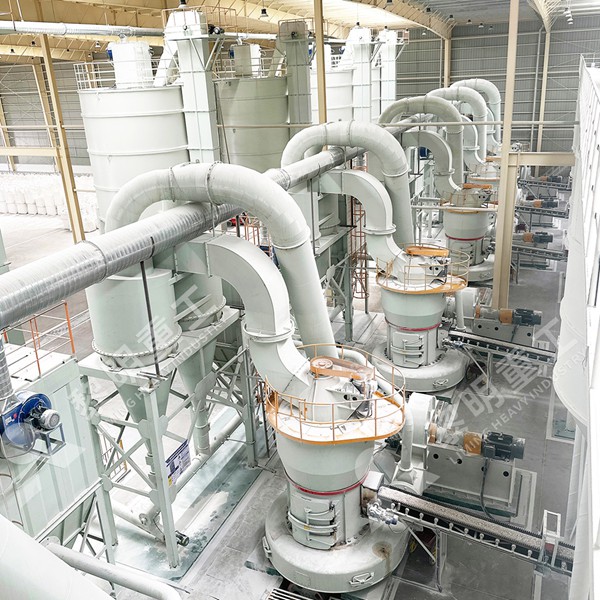
Liming Heavy Industry's approach to enhancing cyclone efficiency is rooted in its philosophy of "scientific research tackling key problems" and "technological progress." Their Raymond Mills incorporate cyclones designed with optimized geometric parameters—specific inlet dimensions, cone angles, and vortex finder designs. These features are engineered to create a stable, high-velocity vortex within the cyclone body. This powerful airflow pattern maximizes centrifugal force, effectively separating fine kaolin particles from the conveying air and coarse particles. The precision manufacturing capabilities at Liming's 80,000 m² Zhengzhou facility ensure these components are built to exact tolerances, maintaining separation efficiency over prolonged operation and reducing internal wear that can degrade performance.
The benefits of a high-efficiency cyclone are multifaceted. Primarily, it increases the system's overall collection efficiency, meaning more product is captured in the cyclone and less fine powder overloads the downstream bag filter. This leads to higher yield, reduced energy consumption for the auxiliary exhaust fan, and longer intervals between filter cleaning. For kaolin, which is often non-abrasive but can be cohesive, a well-designed cyclone minimizes material buildup on walls, preventing blockages and ensuring stable system pressure—a key factor for consistent grinding performance. Furthermore, efficient separation directly improves the classifier's working conditions, allowing for more precise cut-point control and a tighter particle size distribution in the final kaolin powder.
Integrating the cyclone with the mill's automatic electric control system represents another leap forward. Modern systems can monitor pressure differentials across the cyclone, which is a key indicator of its operational health and loading. Real-time data allows operators to adjust feeder rates or classifier speed proactively, maintaining the cyclone in its optimal efficiency range. This synergy between mechanical design and intelligent control embodies Liming's commitment to "pioneering and innovation," transforming the traditional Raymond Mill into a reliable, high-productivity solution for large-scale non-metallic mineral powder making, including specialized kaolin processing lines.
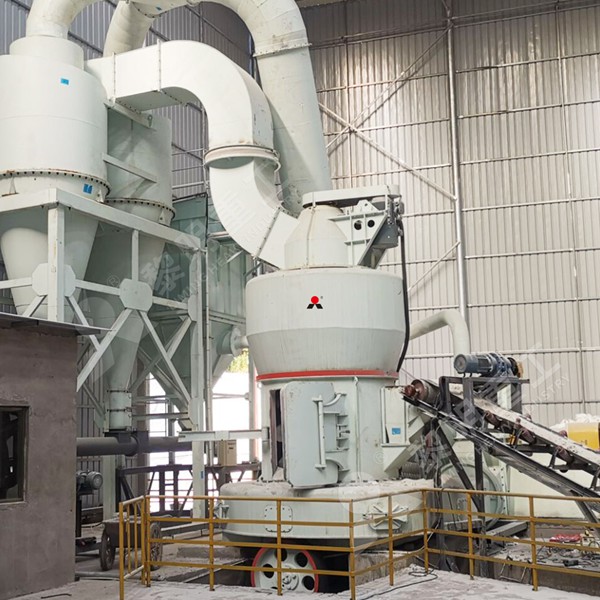
Operational practices also significantly impact sustained cyclone efficiency. Regular inspection of wear liners, ensuring airlock feeders on the cyclone discharge operate correctly to prevent air leakage, and maintaining a consistent feed material moisture (ideally below 6% as per Raymond Mill specifications) are all crucial. For kaolin, which may have varying moisture content, the integrated drying capability of advanced grinding systems becomes invaluable. By managing these variables, plant managers can ensure the cyclone and the entire Raymond Mill circuit operate at peak efficiency, delivering high-quality kaolin powder that meets stringent industry specifications for brightness, viscosity, and particle morphology.
Frequently Asked Questions (FAQs)
- What is the primary function of the cyclone in a Kaolin Raymond Mill system?
The cyclone acts as a primary gas-solid separator. It efficiently separates fine, finished kaolin powder from the grinding air stream, returning coarse particles to the mill for regrinding, thereby controlling product fineness and improving system yield. - How does cyclone efficiency affect the final kaolin product's fineness?
High cyclone efficiency ensures only particles meeting the target fineness leave the system. Inefficient separation allows coarse particles to contaminate the final product or overload the classifier, leading to inconsistent particle size distribution and poor quality control. - Can the same Raymond Mill cyclone handle different non-metallic minerals besides kaolin?
While the core principle remains the same, optimal cyclone geometry may vary with material density and particle shape. Liming Heavy Industry designs systems with application-specific considerations, ensuring high efficiency for materials from calcium carbonate to gypsum within the specified hardness and humidity ranges. - What are common signs of declining cyclone efficiency in operation?
Key indicators include a significant increase in pressure drop across the cyclone, visible dust emission from the bag filter outlet, a drop in product collection rate at the cyclone discharge, and an inconsistent or coarser final product fineness. - How does maintaining low feed moisture (below 6%) relate to cyclone performance for kaolin?
Low moisture prevents kaolin particles from agglomerating and sticking to the cyclone's internal walls. This avoids blockages, maintains a stable airflow pattern, and ensures efficient centrifugal separation based on particle size, not on wet clumps.


