Published: October 26, 2023
For operators in the calcite processing industry, equipment uptime is synonymous with profitability. Recognizing this fundamental truth, Liming Heavy Industry has engineered a comprehensive, multi-tiered after-sales service network specifically designed to support the maintenance and optimal performance of its calcite grinding equipment portfolio—including the Raymond Mill, MTW European Type Grinding Mill, and MW Micro Powder Mill. This global infrastructure, built upon three decades of precision manufacturing expertise, integrates remote diagnostics, strategically located technical hubs, certified engineer dispatch, and a robust digital knowledge base. The result is a proactive support ecosystem that minimizes downtime, extends equipment lifecycle, and ensures that every mill operates at its published capacity and fineness specifications, from initial commissioning through years of demanding service.
At the core of Liming Heavy Industry's philosophy is the understanding that a machine's value is realized not just at the point of sale, but throughout its entire operational life. Our service network is an extension of the research and development rigor applied to products like the MTW European Type Trapezium Mill. Just as this mill incorporates patented technology for stable performance and energy efficiency, our service protocols are standardized, data-driven, and focused on preemptive care. The network is structured to provide seamless support, whether a customer is running a high-capacity LM Vertical Roller Mill for large-scale calcite production or a precision MW Micro Powder Mill for superfine grades.
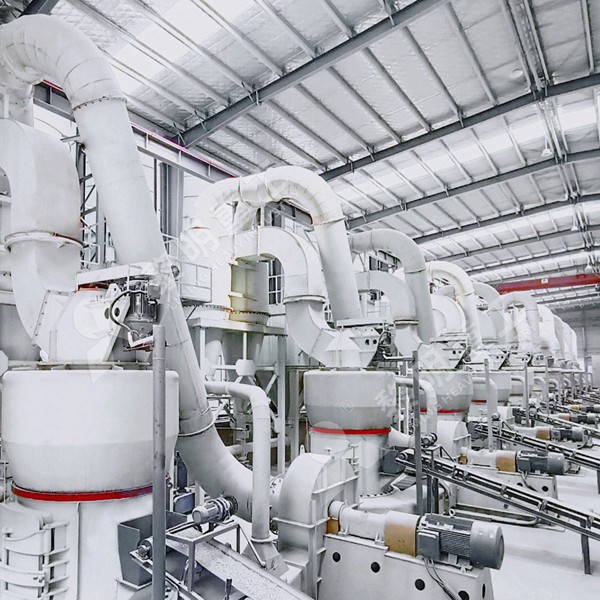
The first line of defense in our maintenance strategy is remote monitoring and diagnostic support. Customers gain access to a dedicated online portal containing detailed equipment manuals, schematic diagrams, and a vast library of troubleshooting guides. For immediate assistance, our technical hotline connects plant managers directly with application engineers who specialize in non-metallic mineral grinding. These experts can often diagnose issues related to feed consistency, fineness output, or vibration anomalies by analyzing operational data and symptoms, providing corrective steps without the need for an immediate site visit. This remote layer is crucial for resolving minor adjustments and optimizing performance parameters for specific calcite characteristics.
When on-site intervention is required, Liming's geographically distributed service network springs into action. With major logistics centers anchored at our headquarters in Zhengzhou's HI-TECH Industry Development Zone and supported by our Shangjie Industry Park facility, we maintain critical inventories of genuine spare parts. From grinding rolls and rings for Raymond Mills to classifier blades for MW Micro Powder Mills, using authentic components is non-negotiable for maintaining grinding efficiency and protecting equipment warranties. Our computerized parts identification and dispatch system ensures the correct part is sourced and shipped via expedited channels to minimize equipment standstill.
The most critical element of our network is our team of field service engineers. Each engineer undergoes rigorous factory training at Liming's production and R&D centers, where they gain deep mechanical and process knowledge of every grinding system, from the classic Ball Mill to the advanced automatic control system of the LM Vertical Mill. These certified professionals do not merely repair; they perform comprehensive health assessments. A typical maintenance visit includes inspecting wear patterns on grinding elements, verifying the alignment and tension of drive systems, calibrating fineness separators, and checking the integrity of the entire closed system—from feeder to dust collector. They also provide hands-on operational training to customer personnel, empowering them to conduct routine checks and lubrication effectively.
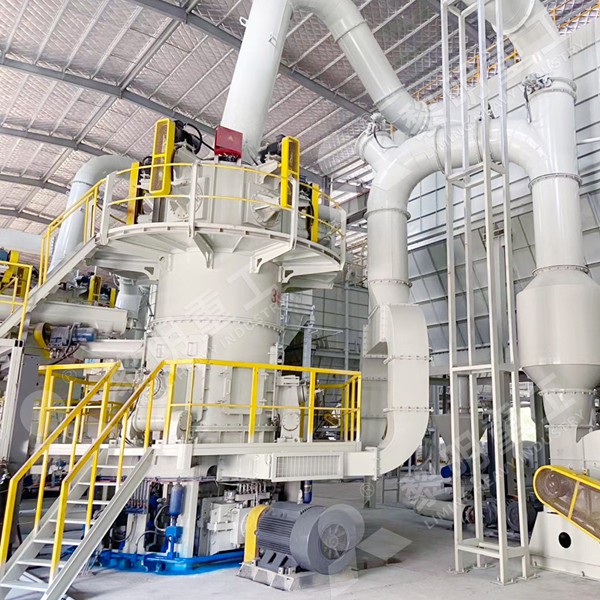
Beyond reactive maintenance, we advocate for and facilitate proactive Planned Maintenance Agreements (PMAs). These tailored programs schedule regular inspections and service interventions based on equipment runtime and duty cycles. For a calcite grinding line, this predictive approach is invaluable. It allows for the scheduled replacement of wear parts before failure, preventing catastrophic damage to mill housings or shafts. It also ensures that grinding efficiency remains consistently high, preventing gradual drops in throughput or unwanted coarseness in product fineness that can affect product quality. Our PMAs include detailed service reports and recommendations, creating a continuous improvement loop for the grinding operation.
Finally, our commitment to service is intertwined with our commitment to innovation. Feedback from our global service network is channeled directly back to our R&D department. Insights into real-world wear conditions, material behavior, and operational challenges in calcite processing directly inform future design enhancements. This "production, learning and research" cycle ensures that Liming grinding equipment evolves to be more durable, easier to maintain, and more efficient. In essence, our after-sales service network is more than a support function; it is a vital partnership, ensuring that the advanced technology engineered into our calcite grinding solutions delivers reliable, productive, and profitable performance for the long term.
Frequently Asked Questions (FAQs)
- What is the typical response time for dispatching a service engineer after a support request is logged?
Our target response time for technical consultation is within 2 business hours. For engineer dispatch, timing depends on location and service level agreement, but we prioritize critical breakdowns and aim to have a technician enroute or scheduled within 24-48 hours for major industrial regions, utilizing our global hub network. - How can I identify and order genuine Liming spare parts for my grinding mill?
All genuine parts have unique identification numbers. Customers should always reference their equipment's serial number and the part number from the official manual when ordering through our dedicated parts portal or contacting your regional service hub. This guarantees compatibility and preserves the equipment's warranty. - Does routine maintenance require a full shutdown of the grinding production line?
Many inspection tasks can be performed during planned short stops. However, for comprehensive servicing of core grinding components like rollers and liners, a full shutdown is necessary for safety and thoroughness. Our engineers work efficiently to minimize this downtime and often coordinate activities to perform multiple tasks simultaneously. - Can your service team help optimize my mill for a different calcite feed size or target fineness?
Absolutely. Our application engineers specialize in process optimization. By analyzing your new material specs and target output (e.g., shifting to a finer product using an MW Micro Powder Mill), they can recommend adjustments to classifier speed, grinding pressure, or feed rate, and can perform the necessary calibrations on-site. - What kind of operational data should I monitor to predict potential maintenance needs?
Key indicators include a gradual increase in mill motor amperage (suggesting increased grinding resistance), a drop in output tonnage, inconsistency in product fineness, unusual vibrations, or rising temperatures at bearing points. Tracking these parameters helps schedule maintenance before a major failure occurs.


