Published on: October 26, 2023
This article outlines a comprehensive technical training program designed for operators of Raymond Mills processing calcite and other non-metallic minerals. Drawing from Liming Heavy Industry's decades of engineering expertise, the program focuses on safe operation, optimal performance, preventive maintenance, and troubleshooting of our Raymond Mill series. The goal is to empower operators with the deep technical knowledge required to maximize mill efficiency, product quality (fineness range of 613μm to 44μm), and equipment longevity, ensuring a smooth and profitable production line for materials like calcium carbonate.
At Liming Heavy Industry, we believe that a machine is only as good as the team that operates it. Since our founding in 1987, we have dedicated ourselves not just to manufacturing robust grinding equipment like the Raymond Mill, but also to building the competence of the personnel who use them. Our modern facilities in Zhengzhou's HI-TECH Industry Development Zone are hubs of innovation, where our scientific research team continuously refines technology. This training program is an extension of that philosophy—transferring our accumulated knowledge to your operational floor.
The core of the training begins with a thorough understanding of the Raymond Mill's working principle. Operators must visualize the closed-circuit grinding system: how crushed calcite feed (15-25mm) is uniformly fed into the grinding chamber, ground between the rollers and grinding ring, and then classified by the integral separator. Coarse particles fall for regrinding, while fine product is conveyed by airflow to the collector. Understanding this airflow and recycling system is critical. It's not merely about pushing buttons; it's about comprehending the material and air journey inside the mill.
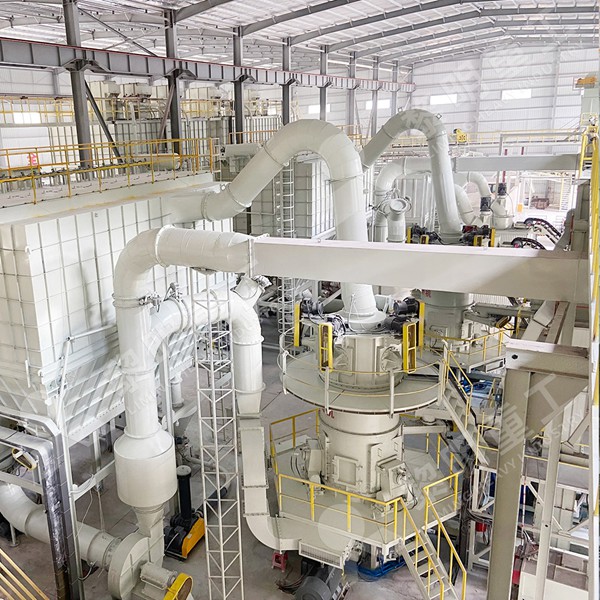
Module 1: Pre-Operation Checks & Safe Startup/Shutdown Sequences. Safety is paramount. Training emphasizes lockout-tagout procedures, inspection of wearing parts like grinding rollers and rings, checking lubrication points, and ensuring all access doors are secure. We drill standardized startup sequences: first the ancillary equipment (dust collector, fan), then the main motor, followed by the feeder. The shutdown sequence is the reverse, crucial for preventing material buildup and ensuring a clean chamber for the next run.
Module 2: Optimization & Parameter Control. Here, operators learn to be process engineers. The training covers how to adjust key parameters to achieve the desired fineness (e.g., 400 mesh for coated calcium carbonate) and capacity (up to 4.5T/H). This includes regulating the classifier speed, adjusting the grinding pressure of the rollers, and synchronizing the feed rate. A common pitfall is overfeeding, which leads to mill overload and poor fineness. Operators learn to interpret ammeter readings—the main motor current is a direct indicator of the grinding load—and make real-time adjustments.
Module 3: Routine Maintenance & Wear Part Management. Predictive maintenance prevents catastrophic failure. We train operators on daily, weekly, and monthly checklists. This involves monitoring vibration and temperature, checking belt tension, and inspecting for oil leaks. A key focus is on the wear life of grinding components. Operators learn to schedule part replacements based on throughput history rather than waiting for a drop in output quality, thus planning downtime effectively and maintaining consistent product specifications.
Module 4: Troubleshooting Common Issues. What does it mean if the mill output is too coarse? What causes excessive vibration or unusual noise? This module turns operators into first-line diagnosticians. We cover problems like blocked air circulation, worn shovel blades, improper roller setting, and issues with the feeder. Using a systematic approach, operators learn to identify symptoms, trace root causes, and execute corrective actions, often in collaboration with your maintenance team.
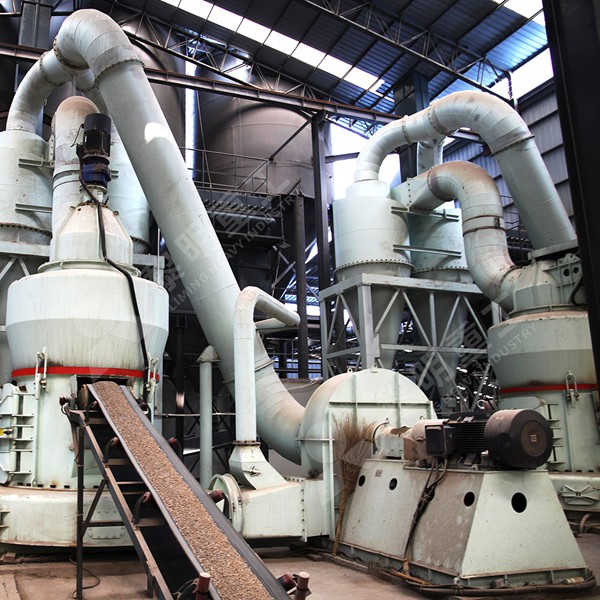
Our training methodology blends classroom theory with hands-on simulation and, where possible, direct supervision on your installed equipment. We provide detailed manuals, 3D animations of internal processes, and case studies from successful calcite grinding lines. Furthermore, this training aligns with our broader product ecosystem. Operators gain insight into how the Raymond Mill integrates with upstream equipment like jaw crushers and feeders, and downstream systems like powder collectors, fostering a holistic view of the production chain.
Investing in such deep, manufacturer-backed technical training yields significant returns: reduced unplanned downtime, lower energy consumption per ton of product, extended wear part life, and most importantly, a consistent, high-quality calcite powder that meets stringent market demands. It transforms operators from machine minders to skilled process custodians, ensuring you extract the full potential from your Liming Heavy Industry Raymond Mill investment.
Frequently Asked Questions (FAQ)
- What is the most critical daily check for a Raymond Mill operator?
The most critical daily check is monitoring the main motor amperage and listening for abnormal sounds from the grinding chamber. A stable current indicates consistent feed and grind, while fluctuations signal a problem. - How can I tell if the grinding rollers or ring need replacement?
A steady decline in mill output at the same fineness setting, or a gradual increase in power consumption to maintain output, are primary indicators of excessive wear on these components. - Can the same Raymond Mill settings be used for different grades of calcite ore?
No. Slight variations in moisture (must be below 6%), hardness, and feed size will require adjustments to classifier speed and grinding pressure to maintain optimal fineness and throughput. - What is the purpose of the air circulation system in the mill?
The air system serves two key functions: it transports ground powder to the classifier for sizing, and it removes heat generated during grinding, helping to control the temperature of the final product. - How does this training relate to other Liming mills like the MTW European Mill or MW Micro Powder Mill?
The core principles of grinding, classification, and system balance are universal. This training provides a strong foundation. Operation of our MTW (for larger scale) or MW (for superfine powder) mills requires additional, model-specific modules that build upon this Raymond Mill program.


