Published: October 26, 2023
For operations focused on limestone processing, selecting grinding equipment that balances high performance with straightforward, cost-effective maintenance is paramount. Liming Heavy Industry's Raymond Mill, engineered with decades of industrial expertise, offers precisely this combination. Designed for processing non-flammable, non-explosive materials like limestone under 7 Mohs hardness, this mill delivers consistent fineness between 44μm and 613μm while prioritizing accessibility and simplicity in its upkeep. Its robust construction, mature technology, and closed-circuit system minimize operational interruptions, making it a reliable cornerstone for industries ranging from building materials to power plant desulfurization.
At the heart of Liming Heavy Industry's philosophy is a commitment to scientific research and precision manufacturing, aimed at enhancing product competitiveness and reliability. Our Raymond Mill embodies this principle. It is built not just for initial performance but for sustained, trouble-free operation over years of service. The design integrates proven milling mechanics with a system that reduces common wear points and facilitates easy inspection and part replacement. This focus on maintainability directly translates to higher overall equipment effectiveness (OEE) for limestone processing plants, reducing total cost of ownership.
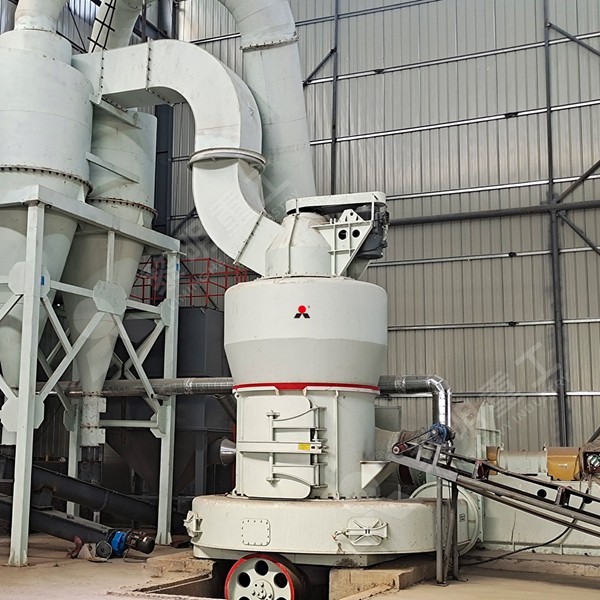
The working principle of the Raymond Mill contributes significantly to its easy maintenance profile. The system operates as a closed circuit. Large limestone lumps are first reduced by a jaw crusher and then uniformly fed into the grinding chamber. Inside, the material is ground between the grinding rollers and the ring. The ground powder is carried by the air flow to the classifier, where oversized particles are separated and returned for regrinding, while the qualified fine powder is collected as the final product. This closed-loop air system, equipped with an efficient pulse dust collector, contains dust effectively, leading to a cleaner work environment and less abrasive wear on external components.
Key structural features are deliberately chosen to simplify maintenance. The grinding roller assembly is designed for easier dismounting. Wear parts like the grinding ring and rollers are made from high-wear-resistant materials, extending service cycles. Furthermore, the centralized control system allows for real-time monitoring of operational parameters, enabling predictive maintenance rather than reactive repairs. Technicians can quickly diagnose issues from the control panel, preventing minor problems from escalating into major downtime.
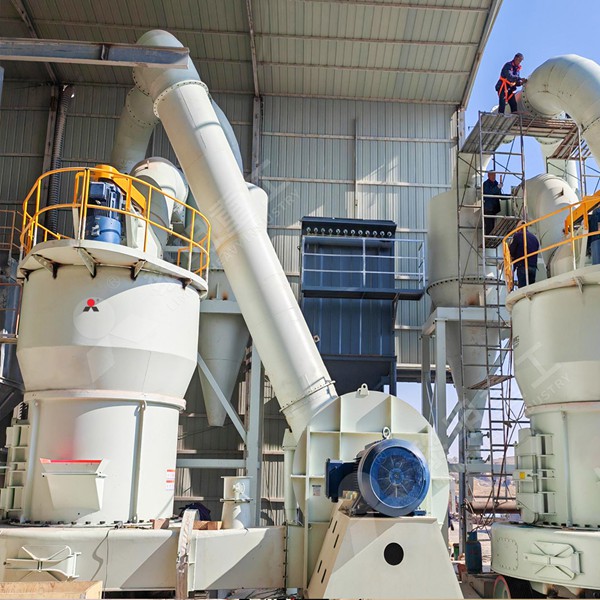
For limestone processing specifically, the mill's adaptability is a major advantage. Whether producing coarse fillers or fine powders for desulfurization, the adjustable fineness allows operators to meet varied specifications without complex mechanical overhauls. The mill's capability to handle materials with up to 6% humidity also adds a layer of robustness for different quarry conditions. When compared to more complex grinding systems, the Raymond Mill's mechanical simplicity stands out. There are fewer auxiliary systems and moving parts that could potentially fail, which inherently makes daily checks, lubrication, and part replacement procedures more straightforward for maintenance crews.
Liming Heavy Industry supports this hardware with a comprehensive service model. We provide detailed operational and maintenance manuals, part lists, and schematic diagrams. Our global service network ensures that technical support and genuine wear parts are accessible, minimizing waiting time for critical components. This holistic approach—from durable design to after-sales support—ensures that our Raymond Mill remains a low-maintenance, high-availability asset for limestone processors worldwide, aligning perfectly with our mission to deliver pioneering and reliable industrial machinery.
Frequently Asked Questions (FAQ)
1. What is the typical fineness range achievable for limestone with this Raymond Mill?
The mill can produce limestone powder with a fineness range between 44μm (325 mesh) and 613μm, which can be adjusted to meet specific project requirements for applications like construction materials or flue gas desulfurization.
2. How does the closed-circuit system benefit maintenance?
The closed-circuit system recycles air flow and contains dust within the circuit via the pulse dust collector. This significantly reduces external dust contamination, leading to less wear on bearings and motors, and creates a safer, cleaner environment for maintenance personnel.
3. What are the main wear parts, and how often do they need replacement?
The primary wear parts are the grinding rollers and the grinding ring. Their service life depends on limestone abrasiveness and production volume, but they are manufactured from special alloy materials for extended durability. Easy-access design allows for relatively quick replacement.
4. Can this mill handle moist limestone?
Yes, the Raymond Mill is suitable for grinding materials with humidity less than 6%. For limestone with higher moisture content, integrating a simple pre-drying system before the mill is recommended for optimal grinding efficiency.
5. Does Liming Heavy Industry provide maintenance training?
Yes, we offer operational and maintenance training for customer technicians. This includes guidance on routine checks, lubrication schedules, troubleshooting common issues, and proper procedures for replacing critical wear parts to ensure optimal mill lifespan.


