Published: October 26, 2023
In the demanding world of kaolin processing, where consistent fineness and operational uptime are paramount, the integrity of a Raymond mill's grinding chamber is non-negotiable. The wear-resistant lining plates are the unsung heroes, forming a critical barrier between the abrasive kaolin feedstock and the mill's core structure. This article delves into the engineering philosophy, material science, and design innovations behind high-performance lining plates, drawing from decades of industrial grinding expertise at Liming Heavy Industry. We explore how advanced lining solutions directly translate to reduced maintenance cycles, enhanced product quality, and superior long-term return on investment for kaolin processing operations.
At Liming Heavy Industry, our approach to wear protection is rooted in a fundamental understanding of the grinding dynamics within our Raymond mills. Kaolin, while often perceived as a soft mineral, contains abrasive quartz and other hard impurities that can cause significant wear on unprotected surfaces. The lining plates in the grinding zone—particularly around the ring and roller paths—endure continuous impact, sliding abrasion, and pressure. Our research and development, conducted by a mature scientific team focused on technological frontiers, is dedicated to extending the service life of these components through a multi-faceted strategy involving material composition, heat treatment, and geometric design.
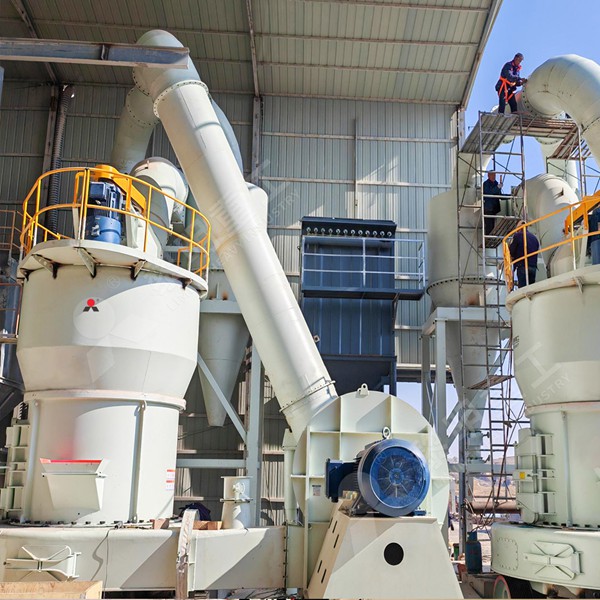
The choice of material is the first line of defense. We utilize high-chromium cast iron alloys and specialized composite steels, engineered for optimal balance between hardness and toughness. A plate that is excessively hard may be brittle, while one that is too soft will deform quickly. Our proprietary alloys are formulated to resist the micro-cutting and fatigue stresses typical in kaolin grinding. Furthermore, advanced heat treatment processes are employed to create a graduated microstructure: an extremely hard surface layer to resist wear, backed by a tougher, more ductile core to absorb impact energy and prevent catastrophic cracking. This ensures the plates do not merely wear slowly but maintain their structural integrity throughout their lifespan.
Design innovation goes hand-in-hand with material science. The geometry of our lining plates is not arbitrary. We have optimized the profile and interlocking mechanisms to ensure seamless installation and to eliminate gaps where material can accumulate or cause uneven wear. The surface patterns are sometimes engineered to influence the material flow within the mill, promoting a more efficient grinding trajectory and reducing unnecessary turbulence that can accelerate wear. This holistic design philosophy, treating the lining as an integral part of the grinding system rather than a simple replaceable part, is a hallmark of Liming's commitment to "scientific research tackling key problems."
The benefits of investing in superior wear-resistant lining plates are substantial and measurable. Primarily, they dramatically extend the interval between maintenance shutdowns. Each shutdown for liner replacement represents lost production time and significant labor costs. By doubling or tripling the service life of these components, overall plant availability and productivity see a marked improvement. Secondly, consistent liner geometry ensures stable grinding conditions. As liners wear evenly, the critical gap between rollers and the grinding ring remains uniform, leading to a stable product fineness—a crucial quality parameter for kaolin used in paper, ceramics, or paints. Lastly, protecting the underlying mill structure from wear prevents costly damage to the mill's main body, safeguarding a far larger capital investment.
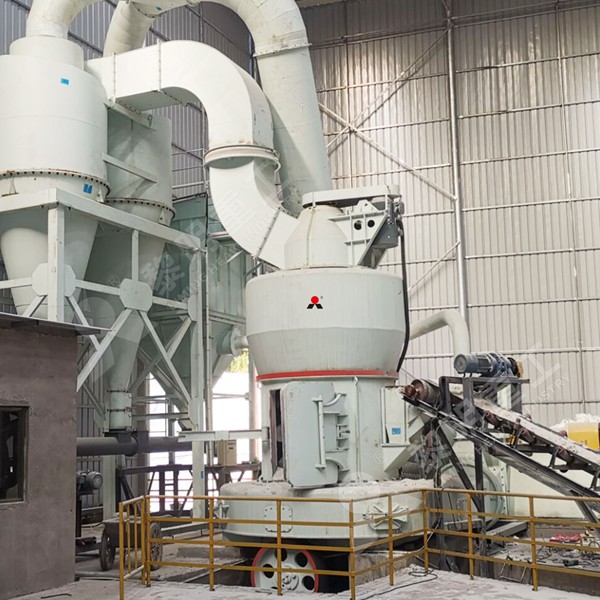
Our manufacturing prowess, honed over 30 years of precision engineering, ensures that every lining plate meets exacting specifications. Produced in our modern facilities covering tens of thousands of square meters, each component undergoes rigorous quality control. From spectroscopic analysis of the alloy composition to dimensional accuracy checks, we guarantee that the product delivered performs as our R&D team intended. This end-to-end control, from raw material to finished part, allows Liming Heavy Industry to stand behind the performance and durability of our wear solutions.
In conclusion, for kaolin producers relying on Raymond mill technology, specifying high-performance wear-resistant lining plates is a strategic operational decision. It is an investment in predictability, quality, and cost-efficiency. By partnering with an original equipment manufacturer like Liming Heavy Industry, with deep vertical integration and a core focus on product competitiveness, you gain more than just a component—you gain a engineered system designed for maximum longevity and performance, backed by continuous innovation aimed at the industry's technological frontier.
Frequently Asked Questions (FAQ)
Q1: What are the primary signs that my Raymond mill's lining plates need replacement?
A: Key indicators include a noticeable drop in grinding efficiency or output, increased vibration or unusual noise from the grinding chamber, visible wear or cracks upon inspection, and difficulty in maintaining the target product fineness. Regular scheduled inspections are recommended to monitor liner thickness.
Q2: Can I use generic lining plates, or are they model-specific?
A: Lining plates are engineered for specific mill models and internal geometries. Using non-OEM or incorrectly sized plates can lead to improper fit, accelerated wear on other components, reduced grinding efficiency, and potential safety hazards. Always use plates designed for your specific Liming Raymond mill model.
Q3: How does the abrasiveness of my specific kaolin deposit affect liner life?
A: Liner life varies significantly based on the quartz content and other hard mineral impurities in the feedstock. Higher abrasiveness leads to faster wear. We can provide material recommendations based on your ore analysis. Processing drier kaolin (within the mill's humidity specification) also generally contributes to longer liner life compared to stickier, moisture-laden material.
Q4: What is the typical installation process for new lining plates?
A: Installation requires a full mill shutdown, lock-out/tag-out procedures, and access to the grinding chamber. The old plates are removed, the mill housing is thoroughly cleaned, and new plates are fitted according to precise assembly diagrams. Proper torque sequencing for fasteners is critical. We recommend this be performed by trained maintenance personnel, potentially with support from our technical service team.
Q5: Beyond the lining plates themselves, what operational practices can extend their service life?
A> Optimal practices include ensuring consistent and appropriate feed size (adhering to the mill's 15-25mm input specification), maintaining a steady feed rate to avoid starving or overloading the grinding zone, and ensuring the grinding system's air flow and classifier are correctly balanced to remove finished product promptly, preventing over-grinding and recirculation of abrasive fines.


