Published: October 26, 2023
In the demanding field of non-metallic mineral processing, calcined kaolin presents unique challenges that demand specialized milling solutions. This article explores the innovative design and engineering principles behind a specialized Raymond Mill configuration developed by LIMING HEAVY INDUSTRY CO., LTD. for the efficient and precise grinding of calcined kaolin. We will examine how modern adaptations of this proven technology, incorporating advanced material science, precision manufacturing, and intelligent control systems, deliver unparalleled performance in achieving the desired fineness, whiteness, and particle size distribution critical for high-value calcined kaolin applications.
For over three decades, LIMING HEAVY INDUSTRY has stood at the forefront of crushing and grinding equipment manufacturing. Founded in 1987 and headquartered in the HI-TECH Industry Development Zone of Zhengzhou, the company has built its reputation on a foundation of modern scientific management, precision manufacturing, and relentless innovation. With sprawling facilities covering tens of thousands of square meters, LIMING's commitment to "scientific research tackling key problems" and a "production, learning and research" model has cemented its leadership in both domestic and international machinery markets. This deep well of expertise is directly channeled into developing specialized solutions like the calcined kaolin Raymond Mill.
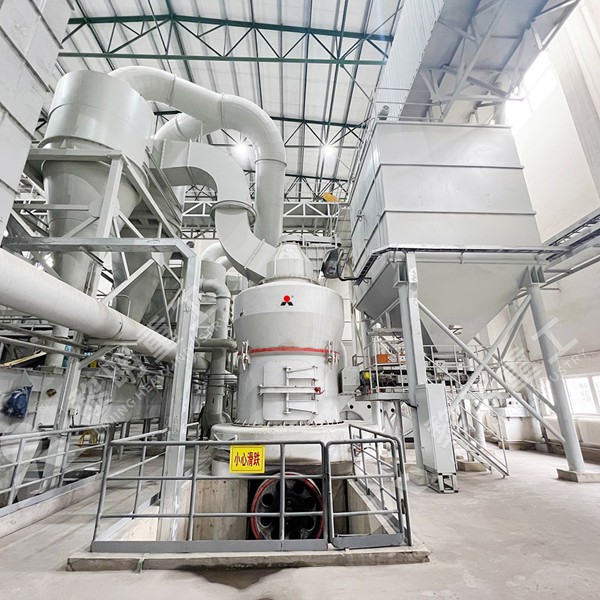 Calcined kaolin, known for its enhanced brightness, abrasiveness, and thermal stability, requires a mill that can handle its specific physical characteristics without compromising product quality. A standard off-the-shelf grinder is often insufficient. The specialized Raymond Mill design for this application begins with a reinforced grinding roller and ring assembly. These components are crafted from high-chromium or other wear-resistant alloys to withstand the abrasive nature of calcined kaolin, significantly extending service life and maintaining consistent grinding gap geometry for uniform particle size output.
The heart of the system's efficiency lies in its aerodynamic design. The internal airflow path and the classifier are meticulously engineered. A high-precision, independently driven turbine classifier allows for real-time, stepless adjustment of fineness during operation. This is crucial for calcined kaolin, where target fineness can range from 44μm to as fine as 613μm (or even coarser) depending on the end-use in paper, paint, plastics, or ceramics. The closed-circuit airflow system ensures that only particles meeting the size specification escape the grinding zone, while oversize material is continuously recirculated for further reduction. This results in a narrow particle size distribution and optimal energy utilization, as the mill isn't wasting power over-grinding already-fine material.
Integration is key to modern industrial equipment. This specialized Raymond Mill is designed as a complete system, not just a standalone unit. It seamlessly incorporates feeding, grinding, classification, and collection stages. A variable-frequency drive (VFD) on the feeder ensures a steady and controllable material input, preventing mill overload or starvation. The grinding chamber is optimized for the flow dynamics of calcined kaolin, promoting efficient material-air contact and heat dissipation, which is vital as excessive heat can affect the kaolin's properties. The entire system is typically topped with a high-efficiency pulse jet bag filter or cyclone collector, ensuring a clean working environment and near-total product recovery, aligning with LIMING's commitment to environmental protection and green production.
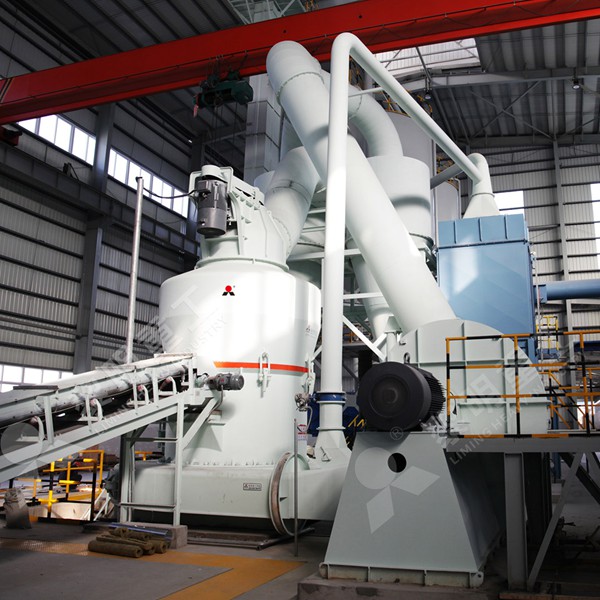 Operational intelligence is another cornerstone of the design. An automated electric control system monitors critical parameters such as main motor current, fan airflow, classifier speed, and bearing temperature. This allows for stable, unattended operation and provides early warning of potential issues. For calcined kaolin, maintaining a consistent product quality is paramount, and this level of control is indispensable. The system's reliability is further enhanced by features like centralized greasing for the grinding roller bearings and easy-access doors for maintenance and inspection, minimizing downtime.
While the Raymond Mill platform is renowned for its versatility—handling materials from calcium carbonate to gypsum under 7 Mohs hardness—the version for calcined kaolin represents a targeted evolution. It draws upon LIMING's broader portfolio, including insights from the larger-scale MTW European Type Grinding Mill and the ultra-fine capabilities of the MW Micro Powder Mill, but is specifically calibrated for the density, hardness, and flow characteristics of calcined clay. The design philosophy mirrors that of the company's LM Vertical Roller Mill and Ball Mill projects: identify the core process requirement, apply rigorous scientific research, and engineer a robust, efficient, and intelligent solution.
In conclusion, the effective processing of calcined kaolin into a consistent, high-quality powder demands more than conventional grinding equipment. It requires a purpose-engineered Raymond Mill that addresses abrasion resistance, precise classification, system integration, and smart control. Leveraging 30 years of experience in mineral processing technology, LIMING HEAVY INDUSTRY's specialized design offers a reliable and efficient pathway to meet the exacting standards of the calcined kaolin market, embodying the company's mission to drive technological progress at the industry's frontier.
Frequently Asked Questions (FAQ)
- What is the primary advantage of using a specialized Raymond Mill for calcined kaolin over a standard model?
The specialized design incorporates wear-resistant materials in the grinding zone to combat kaolin's abrasiveness, features a high-precision classifier for tight fineness control, and optimizes internal airflow for the material's specific density, leading to longer component life, more consistent product quality, and higher overall efficiency. - Can the fineness of the final calcined kaolin product be adjusted during operation?
Yes. The mill is equipped with an independently driven turbine classifier. By adjusting the speed of this classifier in real-time, operators can achieve stepless control over the product fineness without needing to stop the mill, allowing for great flexibility to meet different customer specifications. - How does the system ensure environmental compliance during grinding?
The grinding process operates as a negative-pressure, closed-circuit system. All air is recirculated, and any vented air passes through a high-efficiency pulse jet dust collector (bag filter) before release. This design contains nearly all particulate matter, ensuring emissions meet strict environmental standards. - What is the typical input size of calcined kaolin for this mill, and does it require pre-crushing?
The mill is designed to handle feed sizes generally up to 25-30mm. For calcined kaolin feedstock that is in larger lumps, a preliminary crushing stage (e.g., with a jaw crusher) is recommended to ensure smooth feeding and optimal grinding efficiency within the mill's design parameters. - How does this Raymond Mill design handle the heat generated during the grinding of calcined kaolin?
The system manages heat through optimized aerodynamic design, which promotes effective air circulation and cooling within the grinding chamber. Additionally, if the feedstock is particularly dry, the incoming air can be used as a cooling medium. The process is largely mechanical, not thermal, so controlled airflow is sufficient to prevent detrimental heat buildup in the product.


