Published: October 26, 2023
For industries processing calcite and similar non-metallic minerals, achieving efficient, fine grinding while managing material moisture presents a significant challenge. Liming Heavy Industry addresses this need with integrated solutions that combine drying and milling into a single, streamlined process. By leveraging advanced vertical roller mill and European-type grinding mill technologies, these systems enhance productivity, reduce energy consumption, and deliver consistently high-quality powder suitable for applications ranging from plastics and paints to construction materials. This article explores the technical principles, equipment options, and operational benefits of implementing a simultaneous drying and grinding system for calcite.
Founded in 1987, Liming Heavy Industry Co., Ltd. has established itself as a leader in the design and manufacturing of large and medium-sized crushing and grinding equipment. With a strong commitment to scientific research, technological innovation, and precision manufacturing across its extensive production facilities, the company develops robust machinery tailored for modern industrial demands. For calcite processing, the core challenge often lies in handling raw material with inherent or environmental moisture. Traditional separate drying and grinding lines are space-consuming, energy-intensive, and can lead to process inefficiencies. Liming's approach integrates these stages, offering a cohesive solution that optimizes the entire production chain.
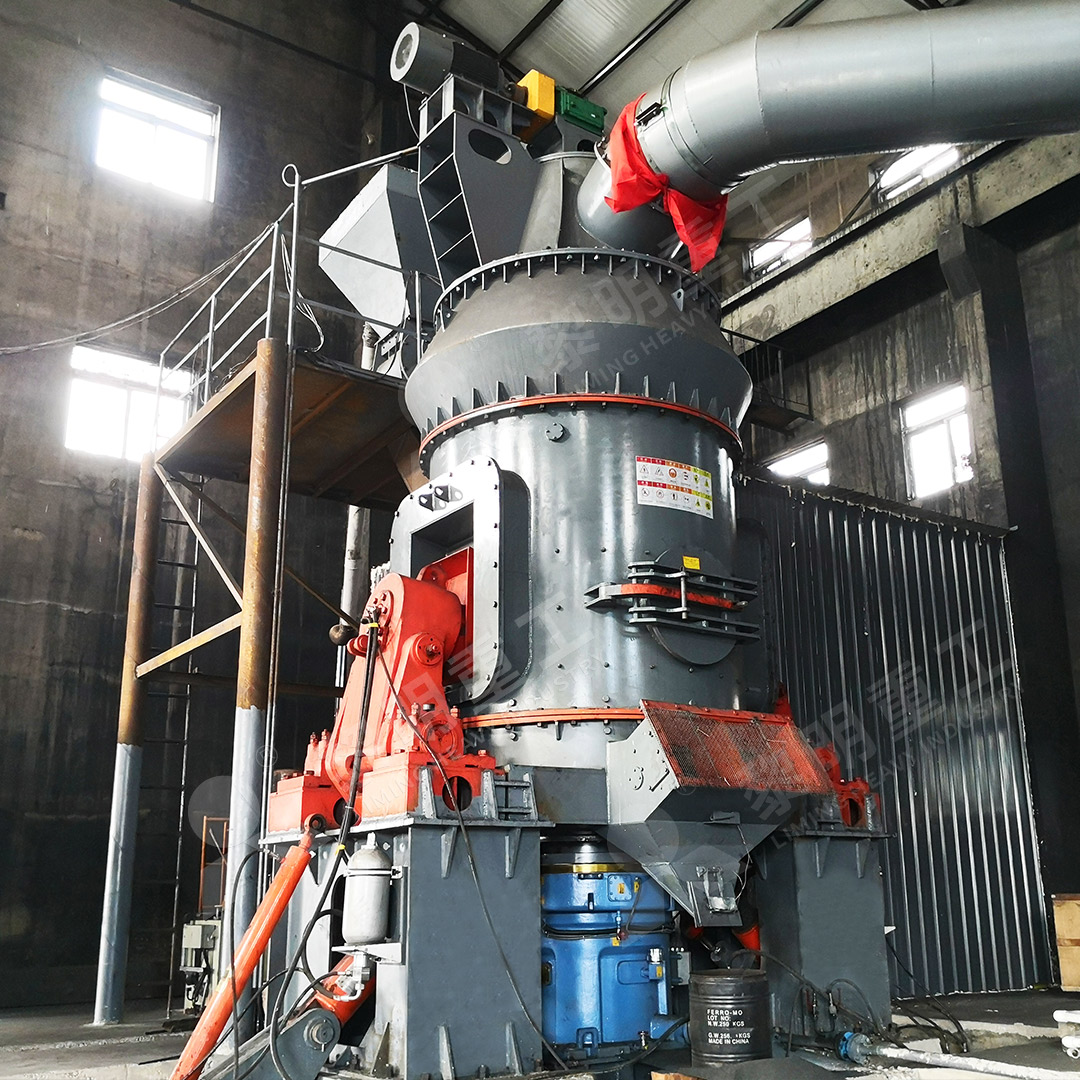
The flagship technology for this integrated process is the LM Vertical Roller Mill. This mill is engineered with a new grinding device and an automatic electric control system that seamlessly integrates drying, grinding, powder classification, and conveying. Hot air, introduced into the mill body, dries the fed calcite materials simultaneously as they are ground between the rollers and the grinding table. The airflow then carries the fine particles to a dynamic classifier, where oversize material is separated and returned for further grinding, while the qualified fine powder is collected as the final product. This closed-circuit system is highly efficient, with capacities ranging from 10 to 400 tons per hour, capable of handling feed sizes up to 55mm. It is particularly suited for large-scale production where consistent quality and operational economy are paramount.
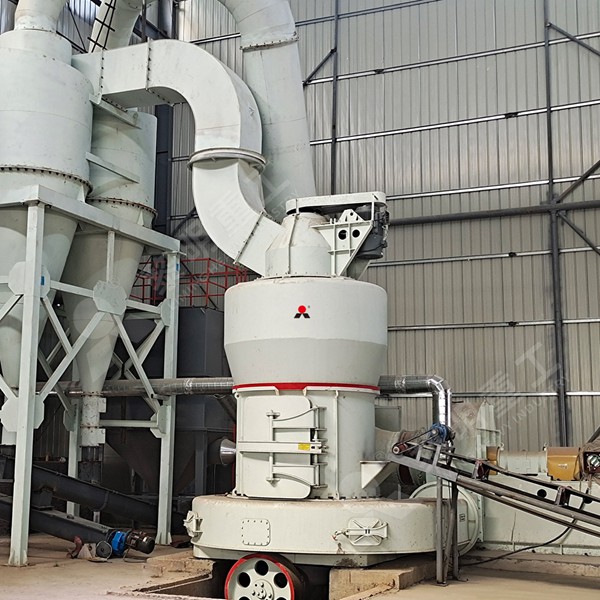
For projects requiring different fineness specifications or operating on a slightly smaller scale, the MTW European Type Grinding Mill presents an excellent alternative. As an upgrade over traditional Raymond mills, it incorporates patented technology for greater stability and energy savings. Its system comprises a jaw crusher for preliminary size reduction, a vibrating feeder, the main grinding mill, a separator, and a closed-loop air system with a dust collector. In this setup, pre-crushed calcite is fed into the grinding chamber where rollers grind it against a ring. The generated hot air flow dries the material during milling and transports the powder to the separator. The precision of the curved blade turbine classifier allows for tight control over particle size distribution. This mill is renowned for its environmental performance and is committed to large-scale non-metallic mineral powder production.
The advantages of adopting such a simultaneous drying and milling system are multifaceted. Energy Efficiency is significantly improved as the heat generated from grinding and the dedicated hot air source are utilized directly in the process chamber, eliminating the need for a separate, standalone dryer. Space Optimization is another critical benefit, as the compact, integrated design reduces the plant's footprint. Process Simplification leads to lower operational manpower requirements and easier automation. Furthermore, the closed-system design with efficient pulse dust collectors, such as those featured in the MW Micro Powder Mill for superfine grinding, ensures that the production process is clean and complies with stringent environmental protection standards, minimizing dust emission.
Selecting the appropriate equipment depends on specific project parameters: desired output fineness, required capacity, initial moisture content of the calcite, and investment considerations. The LM Vertical Roller Mill is the powerhouse for high-tonnage operations. The MTW European Type Mill offers versatility and advanced features for fine to medium-fine powder. For ultra-fine calcite powder (d97 ≤ 5μm), the MW Micro Powder Mill, which absorbs advanced Swedish grinding technology, is the optimal choice. Meanwhile, the traditional Ball Mill remains a reliable workhorse for various grinding applications, though it typically requires feed materials to be pre-dried. Liming Heavy Industry's research and development team can provide comprehensive technical support to analyze customer needs and recommend the most effective grinding solution, ensuring the system is tailored for optimal performance and return on investment.
In conclusion, the move towards integrated drying and grinding represents a significant technological leap in calcite processing. Liming Heavy Industry, with its decades of experience and continuous innovation, provides reliable, efficient, and environmentally sound machinery to meet this demand. By consolidating process stages, manufacturers can achieve superior product quality, reduce operational costs, and establish a more sustainable production line, solidifying their competitiveness in the dynamic markets for non-metallic mineral powders.
Frequently Asked Questions (FAQs)
- What is the maximum feed moisture content that the LM Vertical Roller Mill can handle for calcite?
The LM Vertical Roller Mill is designed to handle materials with significant moisture. While the exact percentage depends on the heat source and system configuration, it is generally effective for drying and grinding calcite with initial moisture content commonly encountered in mining and processing. - How does the particle size distribution from an integrated system compare to a traditional grinding circuit?
Integrated systems like the LM or MTW mills, equipped with high-efficiency dynamic classifiers, often provide a narrower and more consistent particle size distribution compared to some traditional circuits, as the grinding and classification are tightly coupled and controlled. - Can these systems be used for minerals other than calcite?
Absolutely. Liming's grinding solutions are versatile and cater to a wide range of non-metallic minerals, including gypsum, limestone, talc, barite, and slag, as well as applications in coal preparation and power plant desulfurization. - What are the primary maintenance points for the MTW European Type Grinding Mill?
Key maintenance focuses on the grinding rollers and ring for wear, the classifier blades, the lubrication system for gears and bearings, and the regular inspection of the grinding system's sealing to maintain efficiency and prevent dust leakage. - Is the system operation fully automated?
Yes, Liming's modern grinding mills, such as the LM and MTW series, are designed with automatic electric control systems. They allow for centralized control of feeding, grinding, drying, and powder collection, enabling stable operation with minimal manual intervention.


