Published: October 26, 2023
In the demanding field of industrial mineral processing, producing high-quality acid-resistant calcite powder requires precision, reliability, and specialized equipment. Liming Heavy Industry's Raymond Mill stands out as a robust and efficient solution, engineered to handle the unique challenges of grinding calcite to specific fineness while maintaining its chemical integrity for applications requiring acid resistance. This article delves into the technical prowess of our Raymond Mill, its operational advantages, and why it is the preferred choice for processors aiming for superior product quality and operational efficiency in this niche sector.
Acid-resistant calcite powder is a critical material in numerous industries, including plastics, paints, coatings, and chemical manufacturing, where its stability in acidic environments is paramount. The processing of this material demands more than just size reduction; it requires a grinding system that minimizes heat generation, prevents contamination, and offers precise control over particle size distribution. Liming Heavy Industry, with over three decades of expertise in manufacturing crushing and grinding equipment, has refined its Raymond Mill technology to meet these exacting standards. Our commitment to scientific research and technological innovation ensures that our machinery is at the forefront of the industry.
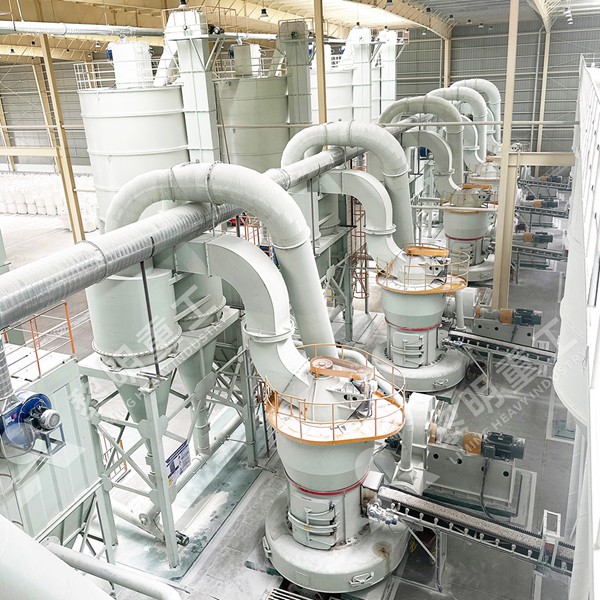
The core of our solution lies in the design principles of the Liming Raymond Mill. It is engineered for processing non-flammable, non-explosive materials with a Mohs hardness under 7 and humidity less than 6%, making it perfectly suited for calcite. The mill achieves an output fineness range of 613μm to 44μm, allowing producers to tailor the product precisely to their customers' specifications for acid-resistant applications. The grinding mechanism involves rollers rotating against a grinding ring, crushing the fed calcite. The ground material is then carried by the air flow to a classifier for separation. Oversized particles fall back for regrinding, ensuring a consistent and uniform final powder—a critical factor for consistent acid-resistant properties.
What sets our Raymond Mill apart for this application is its integrated system design and operational stability. The system incorporates drying, grinding, powder selection, and conveying into one cohesive unit. This not only saves floor space but also enhances overall process control. For acid-resistant calcite, controlling the grinding temperature is crucial to prevent any alteration of the mineral's surface properties. Our mill's efficient air flow and optional cooling systems help maintain an optimal temperature throughout the operation. Furthermore, the closed-circuit system with a high-efficiency pulse dust collector ensures a clean production environment, minimizes product loss, and guarantees compliance with stringent environmental standards, reflecting our dedication to green manufacturing.
Durability and low maintenance are engineered into every component. The grinding rollers and ring are made from high-wear-resistant materials, significantly extending service life even when processing abrasive minerals like calcite. The centralized electrical control system allows for easy operation and monitoring, enabling quick adjustments to fineness and output. With a capacity range of 1.2 to 4.5 tons per hour for materials with an input size of 15-25mm, our Raymond Mill offers a scalable solution for both medium and large-scale production lines focused on high-value acid-resistant calcite powder.
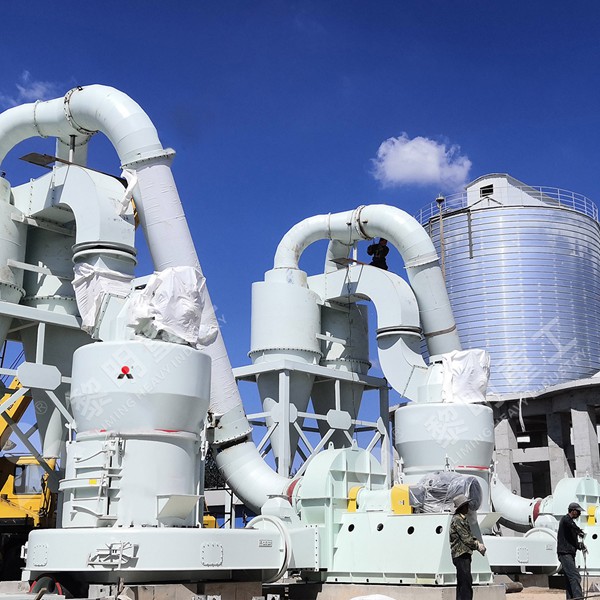
Beyond the machine itself, Liming Heavy Industry provides comprehensive support. Our modern R&D facilities in Zhengzhou's HI-TECH Industry Development Zone, spanning over 80,000 square meters, are continuously working on technological improvements. We understand that each calcite deposit has unique characteristics. Our technical team can provide expert consultation to optimize the mill's parameters—such as roller pressure, classifier speed, and air volume—to maximize yield and achieve the desired particle morphology for enhanced acid resistance in the final product.
Choosing the right grinding equipment is a strategic decision that impacts product quality, production cost, and long-term profitability. For processors specializing in acid-resistant calcite powder, the Liming Raymond Mill represents a synthesis of proven reliability and targeted innovation. It is a cornerstone technology that supports our clients in maintaining a competitive edge in quality-sensitive markets. By investing in our equipment, you are not just purchasing a mill; you are leveraging 30 years of precision manufacturing and a corporate ethos dedicated to pioneering advancements in grinding technology.
Frequently Asked Questions (FAQ)
- What is the key advantage of using a Raymond Mill for acid-resistant calcite over a ball mill?
The Raymond Mill's grinding principle (roller-against-ring) and integrated air classifier provide better control over particle size distribution and generate less excess heat compared to a traditional ball mill. This controlled, cooler grinding environment is crucial for preserving the natural acid-resistant properties of the calcite mineral. - How does the mill ensure the finished powder remains uncontaminated?
The grinding chamber and contact parts for materials are designed with specific, wear-resistant alloys. Furthermore, the closed-circuit system with efficient sealing and a dedicated baghouse dust collector prevents external contamination and ensures the purity of the output powder. - Can the fineness be adjusted during operation to produce different grades of powder?
Yes. The fineness of the powder is primarily controlled by adjusting the speed of the built-in classifier. This can be done easily during operation, allowing for flexible production of different product grades from 44μm to 613μm without stopping the mill. - Is the Raymond Mill suitable for processing calcite with slightly higher moisture content?
The standard Raymond Mill is designed for materials with less than 6% humidity. For calcite with higher moisture, Liming Heavy Industry can equip the mill with an integrated hot air system at the feed inlet to effectively dry the material during the grinding process, ensuring stable operation. - What kind of after-sales support does Liming Heavy Industry provide for this equipment?
We provide comprehensive support including installation supervision, commissioning, operator training, and a readily available supply of genuine wear parts. Our global service network offers technical assistance and maintenance support to ensure maximum uptime for your production line.


