Published: October 26, 2023
In the demanding world of industrial mineral processing, achieving consistent, high-quality powder from materials like calcite, limestone, and dolomite requires machinery that blends robust engineering with precision and versatility. Liming Heavy Industry's advanced Raymond Mill and its evolved counterpart, the MTW European Type Grinding Mill, stand at the forefront of this technology. These multi-functional grinding systems are engineered to handle the specific characteristics of these calcium-based minerals, offering a seamless integration of drying, grinding, classifying, and conveying. With a legacy of innovation since 1987 and a commitment to scientific R&D, Liming provides solutions that deliver superior fineness control, remarkable energy efficiency, and operational reliability, making them the cornerstone for success in sectors ranging from construction and chemicals to power plant desulfurization and advanced material manufacturing.
For over three decades, Liming Heavy Industry Co., Ltd. has been a pillar in the manufacturing of crushing and grinding equipment. Our philosophy is rooted in a modern scientific management system and a relentless pursuit of technological advancement through our dedicated research team. This commitment is embodied in our grinding solutions, particularly those designed for non-metallic minerals. The traditional Raymond Mill has long been a trusted workhorse, capable of processing non-flammable, non-explosive materials with a Mohs hardness under 7 and humidity less than 6%. Its ability to produce a fineness between 44μm and 613μm makes it a versatile choice for initial processing stages of calcite and dolomite.
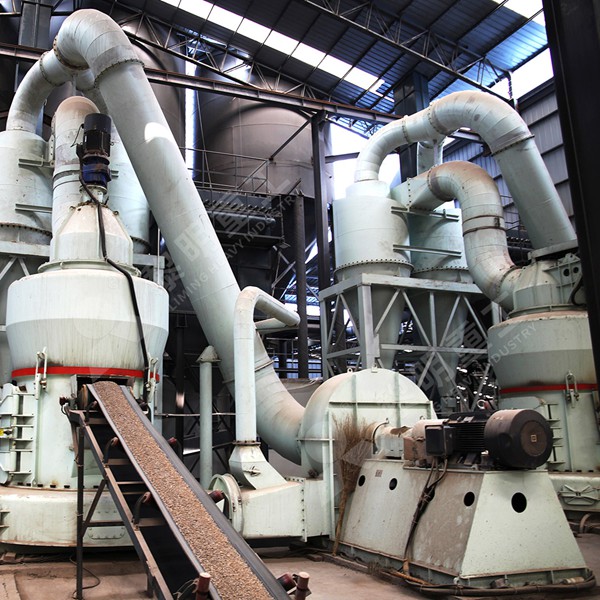
However, recognizing the evolving needs for higher capacity, finer powders, and greater efficiency, Liming engineered the MTW European Type Trapezium Mill. This mill represents a significant evolution from the traditional Raymond mill, incorporating patented technology that elevates performance. Its design is specifically optimized for large-scale powder making of non-metallic minerals. The working principle involves feeding crushed material into the grinding chamber where it is ground between the ring and rollers. The ground material is then carried by an air flow to a high-efficiency separator. Coarse particles are returned for regrinding, while fine product is collected. This closed-circuit system, coupled with an automatic pulse dust collector, ensures not only high productivity but also an environmentally friendly operation that meets stringent standards.
When processing calcite, limestone, and dolomite, the choice of grinding technology is critical. These minerals, while similar, have subtle differences in hardness and composition that can affect grindability and product quality. The MTW European Mill excels here due to its advanced grinding curve design on the roller and ring, which provides a more efficient grinding action with less wear. For projects requiring ultra-fine powders, such as high-grade calcium carbonate fillers, Liming's MW Micro Powder Mill is the ideal complement. Utilizing advanced Swedish grinding technology, it can achieve fineness up to d97 ≤ 5μm (3250 mesh), making it perfect for producing high-value-added products from these same base materials.
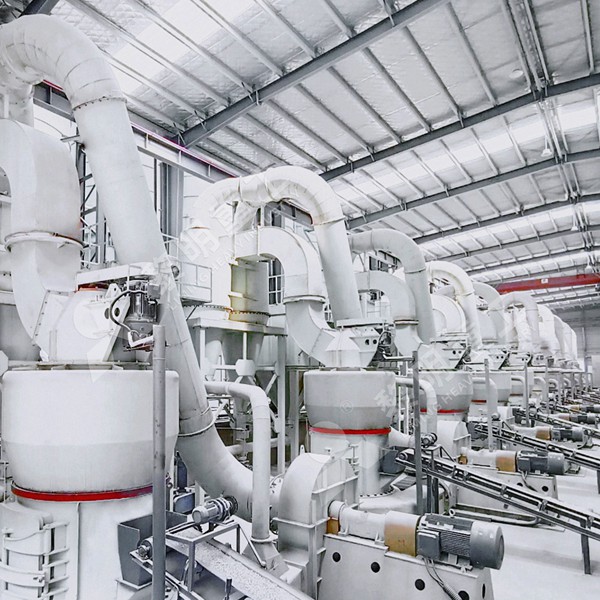
The multi-functionality of these mills is a key advantage. They integrate drying capabilities, which is beneficial for materials with slight surface moisture. Furthermore, their system design—from the jaw crusher for primary size reduction to the vibrating feeder, grinding mill, separator, and dust collector—creates a coherent, automated production line. This holistic approach minimizes manual intervention, reduces energy consumption per ton of output, and ensures a stable, uniform product quality that is essential for downstream applications in plastics, paints, rubber, and environmental scrubbing systems.
Liming's manufacturing prowess, with major facilities in Zhengzhou's HI-TECH Industry Development Zone and Shangjie Industry Park, ensures that every mill is built to last with precision manufacturing. Our R&D focus on "scientific research tackling key problems" directly translates to features that enhance competitiveness: improved wear-resistant materials for longer life, intelligent control systems for easier operation, and designs that prioritize green production. Whether it's for a power plant needing limestone powder for flue gas desulfurization or a factory producing coated calcite for paper, Liming's multi-functional Raymond mills provide a reliable, scalable, and technologically superior foundation for global industrial progress.
Frequently Asked Questions (FAQs)
- What is the main difference between your traditional Raymond Mill and the MTW European Type Grinding Mill?
The MTW Mill is a technological evolution featuring a patented trapezoidal grinding structure, larger capacity (up to 55 TPH), higher efficiency, and more advanced powder separator and duct design for finer and more consistent product fineness compared to the traditional Raymond Mill. - Can your mills handle moist limestone directly from the quarry?
Yes, both our advanced Raymond-type mills (MTW) and LM Vertical Roller Mills integrate drying functions. They can process materials with a certain level of humidity (typically below 6-10% depending on the model) by utilizing hot air introduced into the grinding chamber. - What fineness range can be achieved for dolomite powder with your equipment?
Our MTW European Mill can produce dolomite powder in a range from about 30 mesh (600μm) to 325 mesh (45μm). For ultra-fine dolomite powder, our MW Micro Powder Mill can achieve fineness from 325 mesh up to 2500 mesh (5μm). - How does your system ensure environmental protection during grinding?
All our grinding lines are equipped with high-efficiency pulse jet bag dust collectors or cyclone powder collectors. These form a closed-circuit negative pressure system, ensuring dust emission is well below national environmental protection standards, creating a clean workshop environment. - For a new calcite processing plant, what auxiliary equipment is typically needed with the grinding mill?
A complete system usually includes a jaw crusher for primary crushing, a vibrating feeder, a bucket elevator, the main grinding mill (e.g., MTW), a classifier, a cyclone collector, a pulse dust remover, piping, an air blower, and an electrical control cabinet. We provide integrated system design and support.


