Published: October 26, 2023
In the demanding field of mineral processing, hard calcite ore presents a significant challenge due to its abrasive nature and specific fineness requirements. LIMING HEAVY INDUSTRY CO., LTD. addresses this challenge with its advanced high-pressure Raymond mill technology, engineered specifically for high-efficiency, reliable, and fine grinding of hard materials like calcite. This article explores the technical superiority, working principles, and application benefits of our high-pressure grinding solutions, demonstrating how they enhance productivity and product quality in non-metallic mineral processing operations.
Founded in 1987, LIMING HEAVY INDUSTRY has evolved into a leader in the manufacturing of large and medium-sized crushing and grinding equipment. With headquarters in the HI-TECH Industry Development Zone of Zhengzhou and a second major workshop in Shangjie Industry Park, our facilities span over 147,000 square meters. Our corporate philosophy is built on a modern scientific management system, precision manufacturing, and continuous innovation. By persistently implementing a strategy centered on scientific research and development, we enhance product competitiveness and aim at the technological frontiers of the industry. This commitment is embodied in our grinding mill series, particularly our solutions for hard minerals.
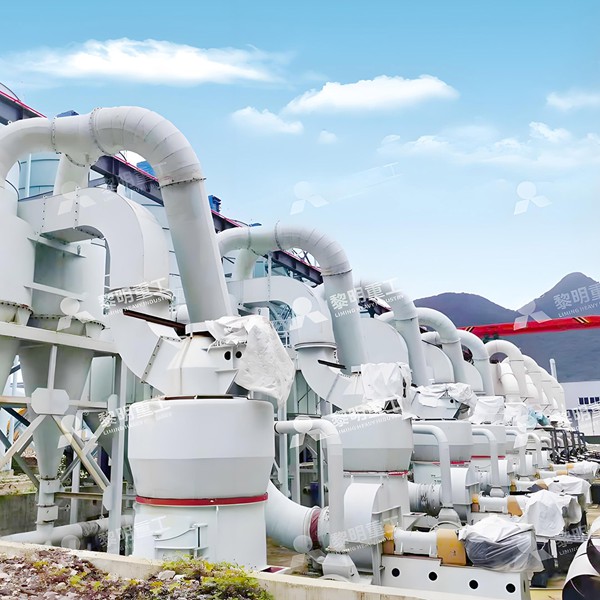
Traditional grinding equipment often struggles with the Mohs hardness and the need for consistent fine powder output when processing hard calcite ore. Our high-pressure Raymond mill is a transformative answer. While our standard Raymond mill is suitable for materials under Mohs hardness 7, the high-pressure variant is engineered with enhanced grinding force and a reinforced mechanical structure. It applies higher grinding pressure through an optimized spring system on the grinding rollers, allowing it to effectively pulverize harder calcite feeds while maintaining stable operation and extended wear-part life. The system integrates drying, grinding, powder selection, and conveying into a cohesive, automated unit.
The core innovation lies in the grinding mechanism. Large lumps of hard calcite ore are first reduced by a jaw crusher. The pre-crushed material is then evenly fed into the grinding chamber via a vibrating feeder. Inside the chamber, the material is ground between the rollers and the grinding ring under high mechanical pressure. The ground powder is carried upward by the air flow from the blower to the classifier. Precise particle size separation occurs here: oversize particles are rejected and fall back for regrinding, while qualified fine powder passes through and is collected as the final product. This closed-circuit system, equipped with a high-efficiency pulse dust collector, ensures minimal dust emission and high collection rates, making the process environmentally compliant.
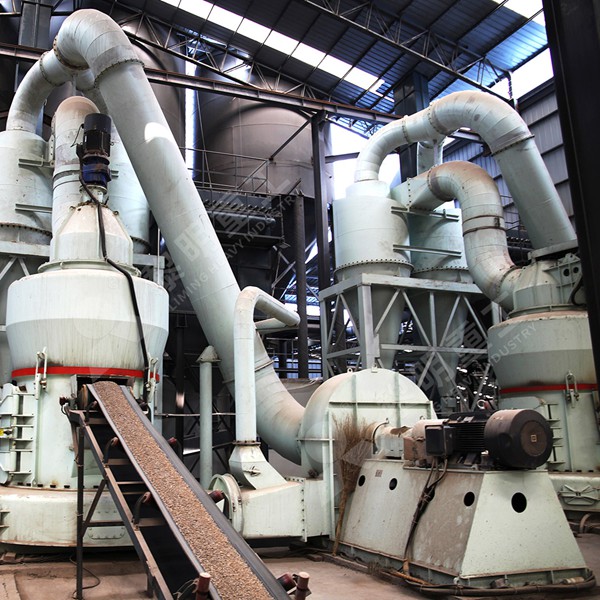
For hard calcite processing, the benefits are substantial. The mill achieves a fineness range that can be adjusted between 44μm (325 mesh) to 613μm, with potential for even finer grades depending on configuration, perfectly meeting the specifications for fillers in plastics, paints, and coatings. The high-pressure design translates to higher throughput capacity compared to conventional mills when handling hard ores, directly boosting production line efficiency. Moreover, the wear-resistant materials used in contact parts reduce maintenance frequency and operational downtime, a critical factor for cost-sensitive operations. The entire system's energy efficiency is optimized, as the high-pressure grinding action often requires less recirculation of material, saving on power consumption per ton of output.
Our commitment to R&D ensures that our high-pressure Raymond mill technology stays at the forefront. It incorporates insights from our broader portfolio, including the MTW European Type Grinding Mill and the MW Micro Powder Mill, focusing on stability, productivity, and environmental stewardship. We understand that processing hard calcite is not just about grinding; it's about providing a reliable, total system solution that includes intelligent control for consistent quality and robust construction for 24/7 operation in challenging conditions.
In conclusion, LIMING HEAVY INDUSTRY's high-pressure Raymond mill represents a specialized, powerful tool for producers tackling hard calcite ore. It transforms a challenging raw material into a high-value, consistent fine powder product efficiently and cleanly. By choosing this technology, operators invest not just in a machine, but in a partnership with an industry leader dedicated to advancing grinding science for mineral applications worldwide.
Frequently Asked Questions (FAQ)
- What is the maximum feed size for hard calcite ore in your high-pressure Raymond mill?
The recommended maximum input size is 25mm. For optimal efficiency and to protect the grinding components, we advise using a primary jaw crusher to reduce large lumps to this size before feeding. - Can this mill handle moist calcite ore, or is drying required?
The integrated system is capable of simultaneous grinding and drying. However, for optimal performance with hard calcite, material humidity should ideally be below 6%. For higher moisture content, auxiliary drying equipment can be integrated into the system design. - How does the fineness of the final calcite powder get controlled?
Fineness is precisely controlled by the speed of the built-in classifier or separator. Adjusting the classifier speed changes the centrifugal force, allowing operators to select the desired particle size cut-point within the mill's range to meet specific product specifications. - What are the main wear parts, and what is their typical service life when grinding hard calcite?
The primary wear parts are the grinding rollers and the grinding ring. Their service life depends on the exact hardness and abrasiveness of the calcite feed, but they are manufactured from high-chromium or alloy steel for extended durability. Regular inspection schedules are provided in the operational manual. - Is the system environmentally friendly regarding dust emissions?
Yes. The grinding system is a closed-circuit design. It is standardly equipped with a high-efficiency pulse-jet baghouse dust collector, which captures over 99.9% of airborne particles, ensuring emissions are well within international environmental protection standards.


