Published: October 26, 2023
For operators of heavy calcium carbonate processing lines, maximizing the longevity, efficiency, and reliability of the core grinding equipment is paramount. This article details the comprehensive, multi-tiered after-sales service package offered by LIMING HEAVY INDUSTRY CO., LTD., specifically engineered for the maintenance of Raymond Mills deployed in heavy calcium applications. From proactive remote monitoring and scheduled maintenance to emergency response and operator training, our program is designed to minimize downtime, optimize powder fineness and yield, and protect your capital investment over the machine's entire lifecycle. We move beyond simple repairs, offering a partnership focused on sustained operational excellence.
At the heart of our service philosophy is the understanding that a Raymond Mill is a precision system integrating grinding, classifying, and conveying functions. Its performance in producing fine powders between 613μm and 44μm for heavy calcium is sensitive to wear, alignment, and operational parameters. Founded in 1987 and a leader in grinding technology, LIMING HEAVY INDUSTRY leverages over three decades of engineering expertise to provide maintenance that is not just corrective but predictive and preventive.

Our service package is structured into three progressive tiers: Bronze, Silver, and Gold. The Bronze Support package forms the essential foundation, including an initial commissioning inspection, detailed operational manuals, and access to our 24/7 technical hotline. This tier ensures your team can operate the mill correctly from day one and has expert guidance for troubleshooting. The Silver Support package builds upon this with scheduled, bi-annual on-site inspections by a certified LIMING technician. These visits involve a thorough examination of critical wear parts like grinding rollers and rings, classifier blade integrity, lubrication system checks, and dynamic balancing assessments. We provide a detailed health report with recommendations, helping you plan parts inventory and avoid unplanned stops.
The pinnacle of our care is the Gold Support package. This comprehensive plan includes all Silver benefits but adds advanced diagnostics. We can integrate remote vibration and temperature monitoring sensors on key bearing points and the main drive. Data is transmitted to our service center, where engineers analyze trends to detect anomalies like misalignment or lubrication issues long before they cause a failure. The Gold package also prioritizes your site for emergency dispatch and includes an annual performance optimization review, where we fine-tune air flow, feed rate, and classifier speed to adapt to changing raw material characteristics or to pursue higher efficiency targets.
A critical component of all tiers is our genuine parts ecosystem. Using OEM parts manufactured to original specifications is non-negotiable for maintaining the designed performance and safety of your Raymond Mill. Non-genuine parts may seem cost-effective initially but often lead to reduced grinding efficiency, improper fit causing accelerated wear on adjacent components, and potential voiding of certain support agreements. Our global logistics network, supported by our 80,000 m² main facility in Zhengzhou, ensures timely delivery of everything from grinding rolls and bull gears to cyclone collectors and pulse jet bag filters.
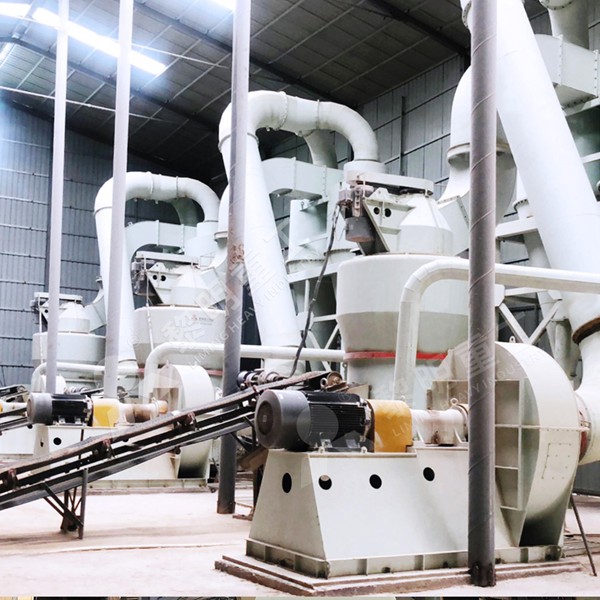
Furthermore, we believe knowledge transfer is a key service. Each maintenance visit includes hands-on training for your operational and maintenance staff. We cover topics from routine daily checks and lubrication protocols to the systematic procedure for replacing major wear assemblies. This empowers your team, builds local capacity, and fosters a deeper understanding of the equipment, leading to better daily care and more accurate initial fault reporting.
In conclusion, the true cost of a Raymond Mill is measured over its service life, not just its purchase price. Downtime in a continuous heavy calcium production line is extraordinarily expensive. LIMING HEAVY INDUSTRY's structured after-sales service packages are an investment in operational stability, powder quality consistency, and total cost of ownership reduction. By choosing our service partnership, you secure not just a machine, but the continuous engineering support and expertise of the manufacturer, ensuring your grinding assets deliver peak performance year after year.
Frequently Asked Questions (FAQ)
1. What is the typical lead time for dispatching a service engineer for an urgent issue?
Under our Silver and Gold support packages, we aim to have a technician on-site within 72-96 hours for critical failures, depending on your geographic location. Our 24/7 hotline provides immediate remote troubleshooting to potentially resolve issues faster.
2. How often should the grinding rollers and rings be replaced in a heavy calcium application?
Wear life is highly dependent on material hardness, abrasiveness, and operating hours. With proper adjustment and genuine LIMING parts, typical life can range from 1,500 to 2,500 operating hours. Our scheduled inspections include precise thickness measurements to predict remaining life and plan replacements during planned maintenance windows.
3. Does the service package cover training for new operators after initial commissioning?
Yes. Refresher or new operator training can be scheduled as part of any on-site service visit. We strongly recommend it whenever there is significant turnover in your operational team to maintain best practices.
4. Can the remote monitoring system be retrofitted to an older LIMING Raymond Mill model?
In most cases, yes. Our engineers can assess your existing mill and install vibration sensors and data loggers. The data is then accessible through a secure web portal, bringing predictive maintenance capabilities to older equipment.
5. What operational data should I log daily to assist with remote diagnostics?
Key data includes: main motor amperage, feed rate, outlet temperature, system negative pressure, and any unusual noises or vibrations. Consistent logging of these parameters helps our engineers spot trends indicative of developing issues.


