Published on: October 26, 2023
In the realm of industrial grinding, selecting the right equipment is paramount for operational efficiency, product quality, and cost-effectiveness. Two prominent contenders in this field are the Raymond Mill (and its advanced successors like the MTW European Type Grinding Mill) and the traditional Ball Mill. While both serve the fundamental purpose of size reduction, their design philosophies, operational principles, and ideal applications differ significantly. This article provides a professional comparison, drawing upon the extensive engineering expertise and product portfolio of Liming Heavy Industry, to guide users in making an informed choice based on their specific material characteristics and production goals. In summary, Raymond Mills excel in efficient, medium-fine grinding of non-metallic minerals with lower moisture, offering superior energy efficiency and system integration. Ball Mills, conversely, offer unparalleled versatility and are capable of grinding a wider range of materials, including harder ores, to a very fine consistency, often at the cost of higher energy consumption and a larger footprint.
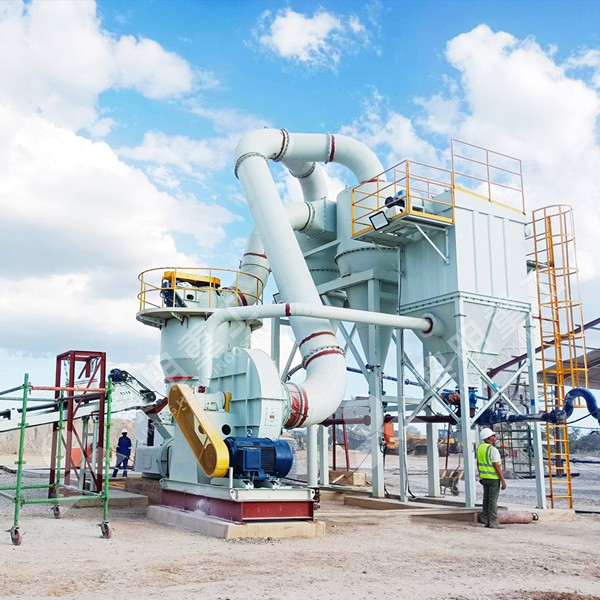
The core distinction lies in their working principles. A Raymond Mill (including the modernized MTW European Type Trapezium Mill) operates on a roller-spring grinding system. Material is fed into the grinding chamber where it is crushed between rotating rollers and a stationary grinding ring. The ground material is then carried by an air stream to a classifier. Oversized particles are rejected and returned for further grinding, while fines meeting the specification are collected via a cyclone or bag filter. This closed-circuit system allows for precise control over product fineness, typically ranging from 44μm to 613μm. The integration of drying, grinding, classification, and conveying in a single, compact unit is a hallmark of this design.
In contrast, a Ball Mill is a horizontal cylindrical device partially filled with grinding media, typically steel balls. As the cylinder rotates, the balls are lifted and then cascade onto the material, achieving size reduction through impact and attrition. The grinding process is more of a batch-type operation within the chamber, with product fineness controlled primarily by the residence time and the size of the grinding media. It can achieve a very wide range of fineness, from coarse to ultra-fine. However, its operation is generally less energy-efficient for achieving medium fineness compared to roller-based systems, as a significant amount of energy is consumed in rotating the heavy drum and lifting the grinding media.
When evaluating Application Suitability, the choice becomes clearer. Liming Heavy Industry's Raymond Mills, such as the LM Vertical Roller Mill and MTW European Mill, are exceptionally well-suited for processing non-explosive, non-flammable materials with Mohs hardness below 7 and moisture content below 6%. Their dominant applications are in the fields of non-metallic minerals (e.g., limestone, calcite, dolomite, barite, talc), coal powder preparation, and slag grinding. The ability to integrate hot air for drying during grinding makes them ideal for moderately moist materials.
Ball Mills, from Liming's robust product line, demonstrate remarkable versatility. They are capable of grinding virtually any ore or material, wet or dry. This makes them indispensable in beneficiation plants for metallic ores, the cement industry (for grinding clinker), silicate products, fertilizers, and the ceramics industry. Their ability to handle abrasive and hard materials is superior to most other mill types.
Performance and Operational Characteristics further differentiate them. Raymond Mills boast higher energy efficiency for their target fineness range, lower noise levels, and a more compact plant layout. Systems like the MW Micro Powder Mill, which incorporates advanced Swedish technology, push the boundaries into superfine powder processing (d97 ≤ 5μm) while maintaining system efficiency. Ball Mills, while potentially less efficient for some tasks, offer exceptional reliability, simple operation, and the capability for both open and closed-circuit grinding. They can be lined with various materials to resist wear and contamination.
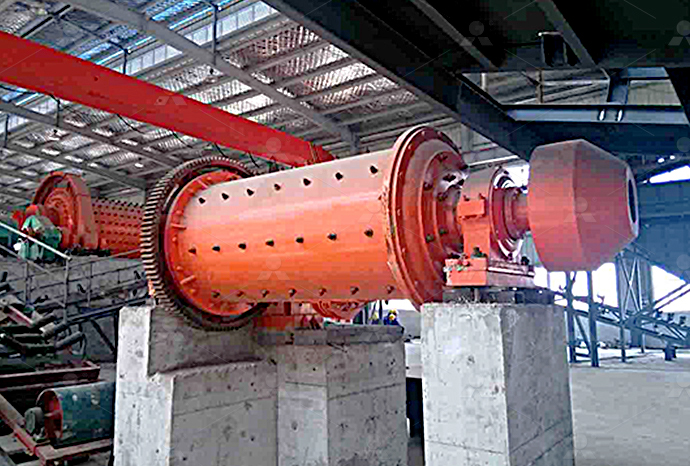
Maintenance and Footprint are practical considerations. The grinding elements in a Raymond Mill (rollers, rings) are subject to wear but are designed for easy replacement. The overall system is vertically oriented, saving floor space. Ball Mills have a larger footprint due to their horizontal design and require more foundation work. Maintenance involves periodic replacement of liners and grinding balls, which can be labor-intensive but is a well-understood process.
As a pioneer with over three decades of experience, Liming Heavy Industry leverages its mature R&D team and precision manufacturing to offer both technologies, ensuring each is optimized for its intended role. The choice isn't about which mill is universally better, but which is the optimal tool for your specific material, desired fineness, capacity, and operational constraints. For focused, efficient grinding of non-metallic minerals, a Raymond-type mill (LM, MTW, MW) is often the superior choice. For maximum versatility and handling of harder, more diverse materials, the Ball Mill remains an industry workhorse.
Frequently Asked Questions (FAQ)
- Can a Ball Mill achieve the same product fineness as a Raymond Mill?
Yes, a Ball Mill can often achieve even finer particle sizes. However, for the medium-fine range (44-613μm), a Raymond Mill typically does so with significantly higher energy efficiency and lower wear costs. - Which mill type is better for processing wet or sticky materials?
Ball Mills are generally more suitable for wet grinding. While some Raymond Mills can handle limited moisture with integrated drying, sticky materials can cause packing and operational issues in the grinding zone of a roller mill. - What is the key advantage of the MTW European Type Grinding Mill over a traditional Raymond Mill?
The MTW Mill incorporates patented technological upgrades such as a curved shovel blade for better feed, a more efficient internal volute, and a streamlined air flow system. This results in higher productivity, better energy savings, and more environmentally friendly operation with lower dust emissions. - How does the noise level compare between the two?
Raymond Mills operate with considerably lower noise levels as the grinding action is primarily between rollers and a ring with no direct metal-to-metal impact like the cascading balls in a Ball Mill. - For a new plant with limited space, which system is preferable?
The vertical configuration of a Raymond Mill system (including the LM Vertical Roller Mill) requires a much smaller footprint compared to the horizontal layout of a Ball Mill with its associated feeder and drive equipment, making it ideal for space-constrained sites.


